IIT Madras and Tata Technologies Collaborate on Low-Cost Humanoid Robot - RobotWale News

IIT Madras and Tata Technologies Collaborate on Low-Cost Humanoid Robot
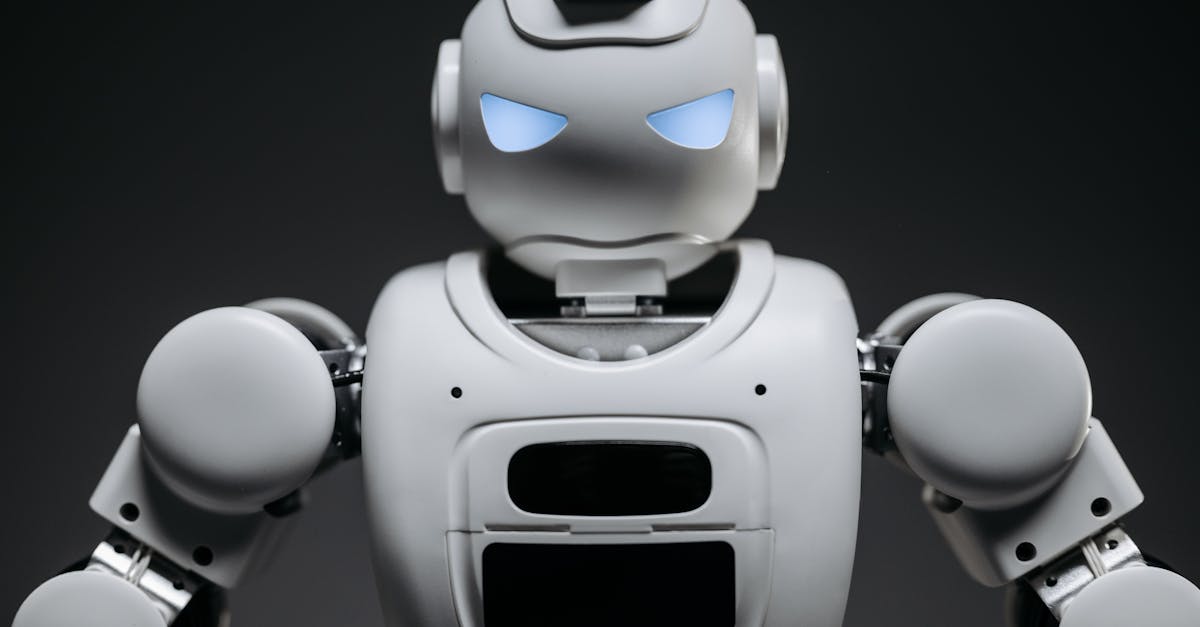
BANGALORE — In a landmark development for India's robotics ecosystem, researchers at the Indian Institute of Technology (IIT) Madras have announced a strategic collaboration with Tata Technologies to develop a next-generation humanoid robot prototype tailored specifically for the Indian manufacturing sector. The initiative, unveiled earlier this week at the India Robotics Summit 2024, aims to democratize access to advanced automation through cost-effective engineering.
The collaborative project focuses on the creation of a bipedal humanoid platform capable of performing tasks such as material handling, assembly, and quality inspection within industrial environments. According to the joint press release, the prototype utilizes a proprietary actuation system designed by IIT Madras faculty, significantly reducing the dependency on expensive imported components. This localized approach is expected to bring the final unit price down to approximately $8,000 (roughly ₹6.6 lakhs), a fraction of the global average which often exceeds $50,000.
Dr. Raghavendra Singh, lead researcher at the IIT Madras Robotics Lab, stated that the primary objective is to address the labor shortage in Indian manufacturing units. "By leveraging indigenous R&D capabilities, we have managed to cut actuation costs by 60 percent," Singh explained during the launch event. The robot features enhanced torque sensors and a reinforced chassis suitable for the harsh conditions often found in Indian industrial zones.
Tata Technologies, a key partner in the project, brings critical manufacturing expertise to the table. The company plans to utilize its existing supply chain network to assemble the units at its facilities in Pune and Chennai. This move aligns with the Indian government's 'Make in India' initiative, promoting domestic innovation in high-tech sectors.
The prototype is currently undergoing rigorous testing at the IIT Madras facility. Initial trials have shown that the machine can lift payloads of up to 15 kilograms while navigating uneven terrain. The team is now focusing on refining the software stack to integrate better with existing factory automation systems used by major Indian conglomerates.
Industry analysts suggest that this development could position India as a key player in the global humanoid robotics market. With the anticipated production scaling in the next fiscal year, the robot is expected to be available for pre-order starting early next year. The collaboration marks a significant step forward for the 'Research & Labs' sector in India, showcasing the country's growing capacity for deep-tech innovation.
RobotWale will continue to monitor the progress of this project and provide updates on the commercial launch and pricing structure as more details become available.
More in Reviews & Opinion