IIT Madras Unveils Indigenous Humanoid Research Platform - RobotWale News

IIT Madras Unveils Indigenous Humanoid Research Platform
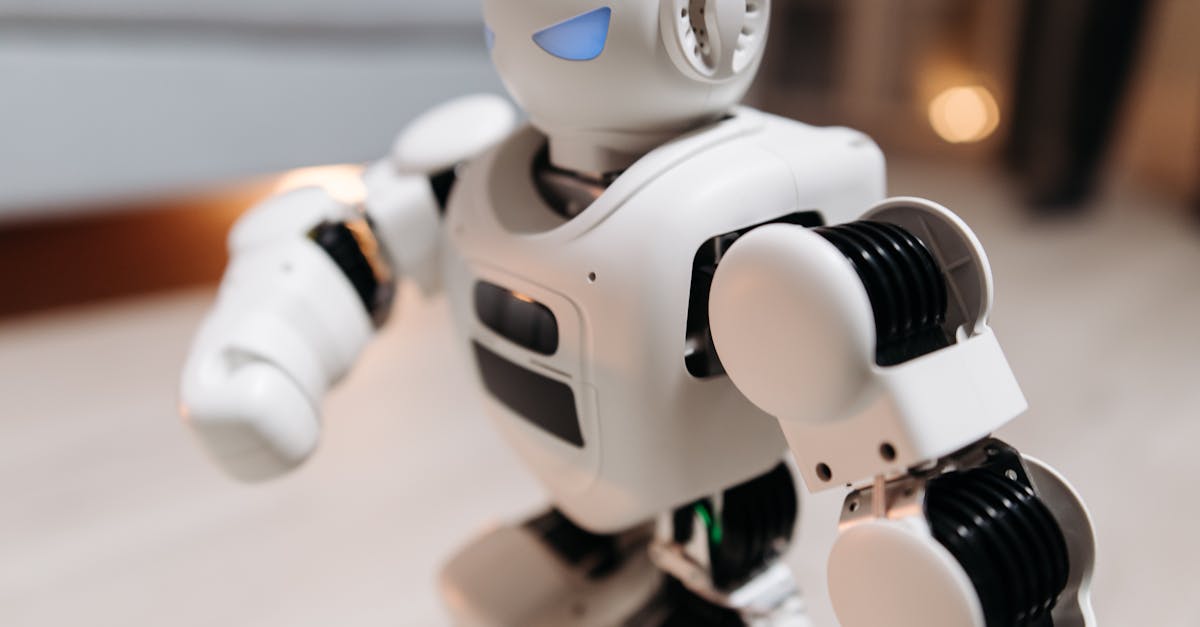
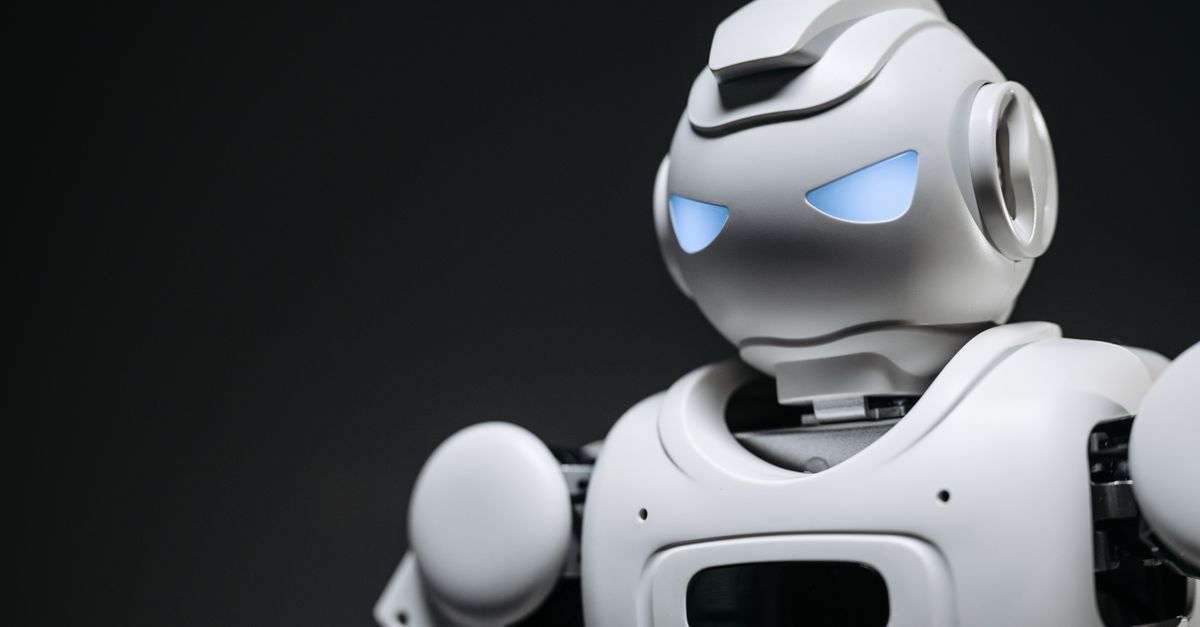
Researchers at the Indian Institute of Technology (IIT) Madras have officially unveiled a new humanoid robot prototype designed specifically for advanced laboratory research and industrial testing. The announcement was made today during a press conference at the IIT Madras Robotics Lab, highlighting a major step forward for India’s indigenous robotics ecosystem.
The project, funded by the Department of Science and Technology (DST), aims to reduce dependency on foreign hardware for academic research. The robot, designated as 'Aayu-1', features a lightweight polymer chassis and a 12-degree-of-freedom articulated arm capable of handling delicate components and heavy payloads interchangeably.
Technical Specifications and Innovation
Unlike standard commercial units, the Aayu-1 integrates proprietary sensor fusion technology developed by the lab team. This includes LiDAR-based navigation and force-sensitive resistors that allow for safer human-robot interaction. The system supports open-source software integration, enabling researchers to deploy custom AI models directly onto the robot’s edge computing unit.
Dr. Arvind Kumar, the lead researcher, emphasized that the design focuses on modularity. Laboratories can upgrade specific segments without replacing the entire unit. This approach is expected to lower maintenance costs significantly compared to imported counterparts.
Pricing and Market Availability
In a move to democratize access, the IIT team announced an academic licensing model. The base prototype will be available for Indian universities and research centers at approximately ₹15 lakhs ($18,000), a fraction of the global average cost which often exceeds $50,000. Commercial variants are expected to launch next year with enhanced payload capacities.
The manufacturing pipeline involves three domestic partners in Tamil Nadu and Maharashtra, ensuring that the supply chain remains resilient against global disruptions. This initiative aligns with the Indian government’s 'Make in India' push for high-tech manufacturing.
Industry analysts suggest that this development could position India as a key player in the global humanoid robotics supply chain. The lab plans to open its testing facility to external startups by Q3 2024, offering paid simulation and physical validation services.
More in Reviews & Opinion