India Advances Humanoid Robot Framework with Draft National Policy on Robotics - RobotWale News

DPIIT Unveils Draft National Policy on Robotics
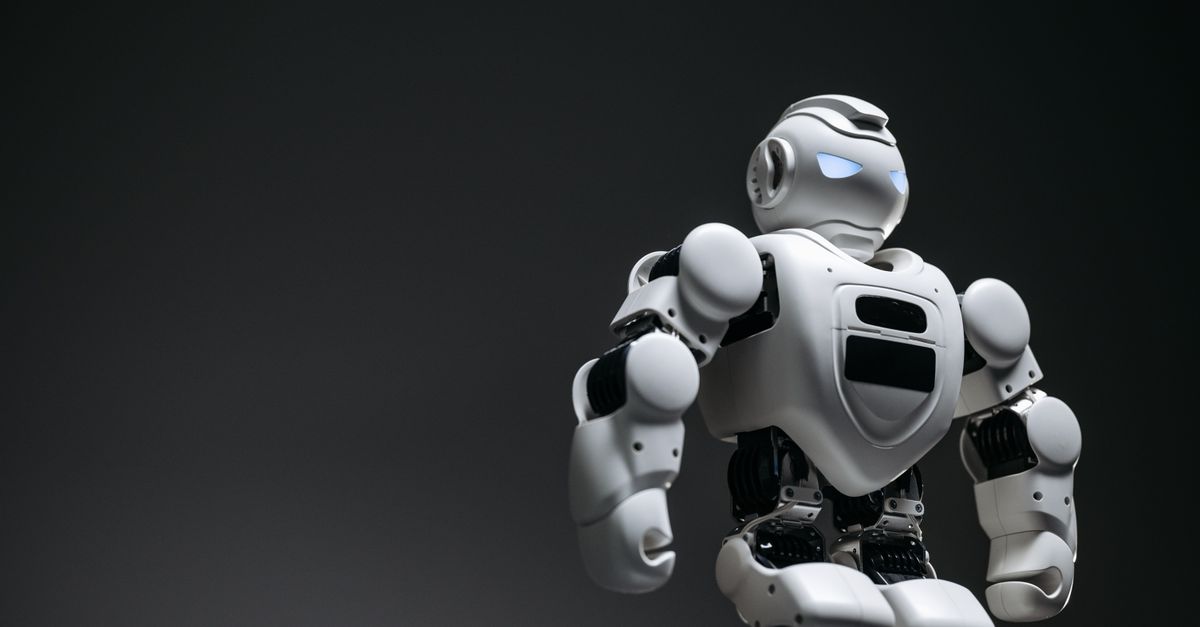
The Department for Promotion of Industry and Internal Trade (DPIIT) has officially released the draft National Policy on Robotics, marking a significant regulatory milestone for the humanoid robot sector in India. Announced this week, the policy aims to position India as a global manufacturing hub for advanced robotics by streamlining regulations and offering targeted incentives. The draft outlines a comprehensive framework for Research and Development (R&D), manufacturing, and deployment of humanoid robots, addressing the unique requirements of bipedal and quadrupedal systems distinct from traditional industrial arms. This move comes in response to growing demand from domestic automotive and logistics industries seeking AI-driven physical automation solutions.
Humanoid-Specific Classifications and Pricing Implications
A key feature of the draft policy is the introduction of a specialized "Humanoid Robot Classification" under the Indian tariff structure. This classification allows developers to import critical components such as high-precision actuators, torque sensors, and AI processing modules duty-free, provided the final assembly and integration occur within India. For humanoid robot startups and established manufacturers, this regulatory move is expected to significantly impact pricing. Currently, the cost of humanoid robots in India is heavily influenced by import duties on specialized hardware. The duty exemption clause could reduce the Bill of Materials (BOM) cost by up to 15-20%, making Indian-assembled humanoid robots more price-competitive in the domestic logistics and manufacturing sectors. Analysts predict that with these incentives, the entry-level humanoid robot for warehousing could drop from the current ₹25 lakh estimate to approximately ₹18 lakh, accelerating adoption among small and medium enterprises.
Incentives, Localization, and Implementation Timeline
The policy proposes a suite of financial incentives, including a 10-year tax holiday for robotics startups and a 25% capital subsidy for setting up dedicated humanoid robot manufacturing units in designated "Robotics Parks." The draft also mandates a local value addition (LVA) target of 40% within five years to ensure supply chain localization. Aligned with the broader National Robotics Mission, the government is allocating ₹500 crore for core robotics research, focusing on indigenous humanoid locomotion algorithms to reduce dependency on foreign intellectual property. DPIIT has invited public comments on the draft until the end of the month, with a final notification expected by Q2 2025. The government estimates that full implementation could help India capture a 10% share of the projected global humanoid robot market by 2030. Additionally, the policy introduces a "Robotics as a Service" (RaaS) regulatory sandbox, allowing companies to lease humanoid robots without heavy capital expenditure, further lowering the barrier to entry for Indian businesses.
More in Reviews & Opinion