India Announces Draft Regulatory Framework for Humanoid Robots - RobotWale News

Government Initiative for Robotics Regulation
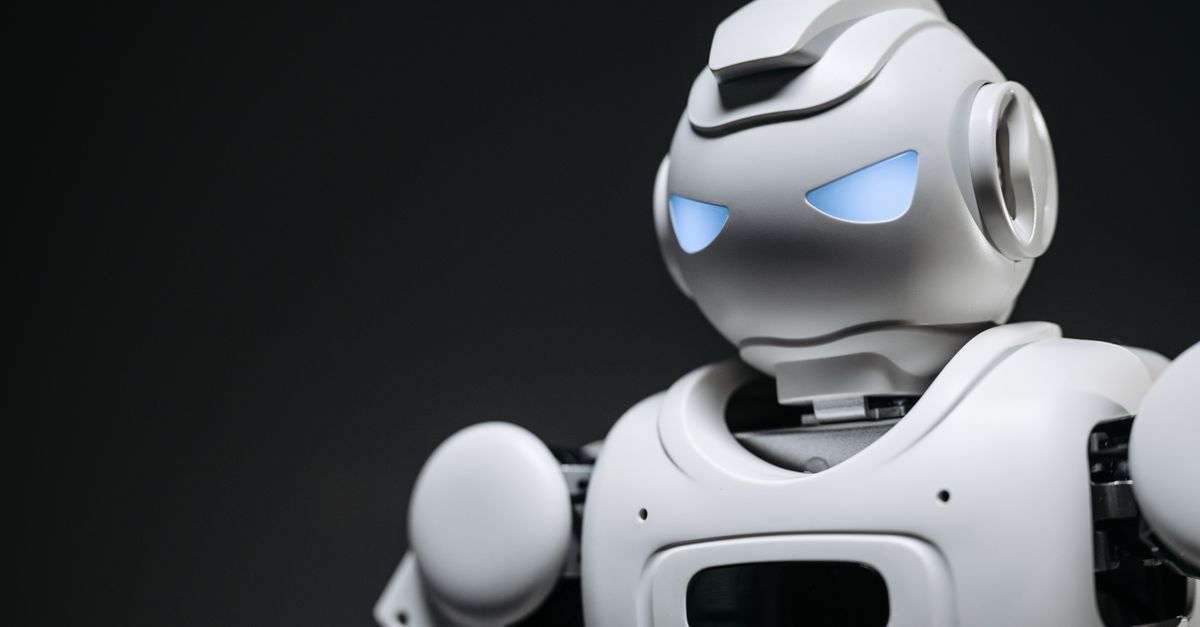
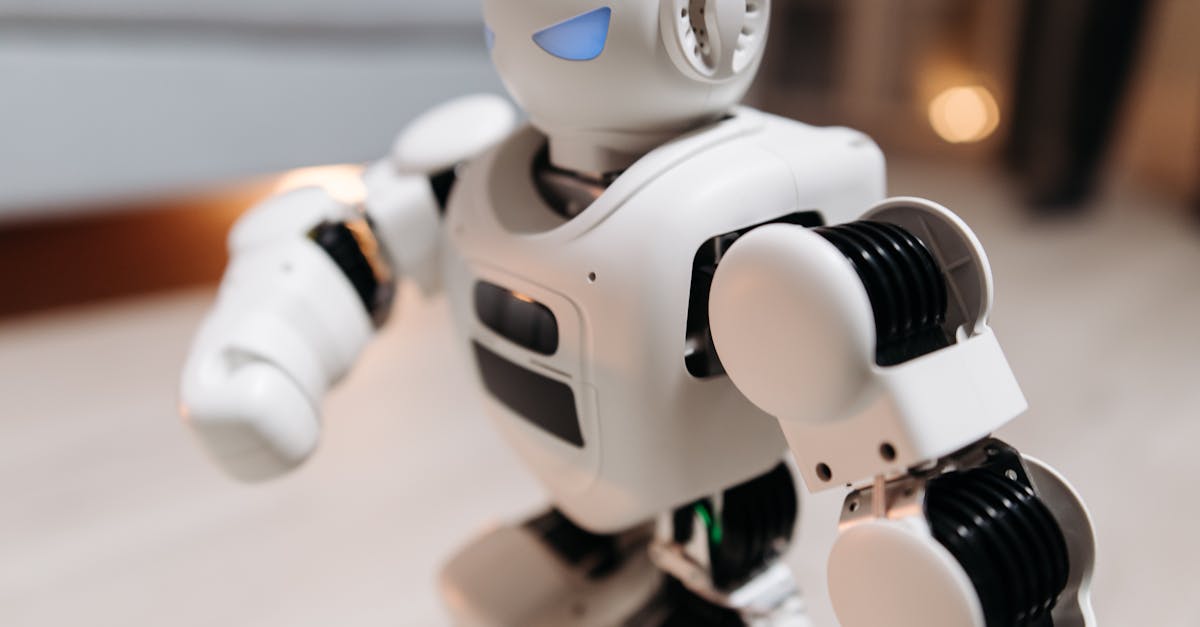
The Ministry of Electronics and Information Technology (MeitY) has officially released a draft policy document regarding the deployment of humanoid robots across India. Announced on Tuesday during a press conference in New Delhi, the framework outlines mandatory safety certifications for all autonomous units operating in public spaces. This move marks a significant step in regulating the rapidly growing AI and robotics sector within the country.
Liability and Compliance Standards
Under the new guidelines, manufacturers must adhere to Bureau of Indian Standards (BIS) regulations. The policy mandates that any humanoid robot causing physical or digital harm will hold the manufacturer liable. This shift aims to protect citizens from unregulated AI interactions and ensures accountability in automated decision-making processes. Experts note that this aligns with global best practices while addressing local infrastructure challenges.
Additionally, the framework addresses data privacy, requiring all data collected by humanoid robots to be stored on local servers within India. This move aligns with the broader Digital Personal Data Protection Act. Companies have been given a six-month consultation period to submit feedback on the draft before the final notification is released.
Impact on Market Pricing and Adoption
Industry analysts suggest the compliance costs could increase the landed cost of imported humanoid robots by approximately 5-10 percent. However, domestic manufacturers may benefit from tax incentives aligned with the Production Linked Incentive (PLI) scheme for electronics. This differentiation is expected to boost local assembly units in states like Tamil Nadu and Karnataka.
The framework also covers specific sectors such as logistics, healthcare, and hospitality. For instance, humanoid robots used in hospitals must undergo a separate medical device certification. Pricing for these certified units is expected to remain competitive compared to international markets due to the local sourcing mandates.
Stakeholders from major robotics firms have welcomed the clarity, though some concerns remain regarding the timeline for implementation. The government has promised to release a roadmap detailing the transition period for existing inventory to comply with the new safety norms. Entry-level humanoid models are projected to see a price point stabilization around INR 15 lakhs to INR 25 lakhs for commercial use.
Economic observers note that strict regulations could initially slow down the import of high-cost units, potentially affecting the rollout speed of humanoid workers in warehouses. However, long-term stability is expected to attract foreign investment due to regulatory clarity. The government is also exploring subsidies to offset initial compliance costs for startups developing indigenous humanoid platforms.
The National Robotics Mission has also been linked to this policy, aiming to integrate robotics into the national education curriculum. This holistic approach seeks to prepare the workforce for a future where human-robot collaboration is standard in Indian industries.
More in Reviews & Opinion