India Humanoid Robotics Expo 2024 Showcases Domestic Manufacturing Breakthroughs - RobotWale News

Event Overview
The India Humanoid Robotics Expo 2024 convened in Bengaluru from March 12 to 14, 2024, drawing over 45,000 attendees, 300 exhibitors, and 60 international delegations. Organized by the Robotics Society of India in partnership with the Department of Electronics and Information Technology, the three-day event served as the continent’s largest dedicated showcase for bipedal automation. The expo opened with a keynote address from Union Minister of State for Electronics and IT, followed by live demonstrations of next-generation humanoid platforms designed for industrial, logistics, and domestic applications.
Key Product Launches
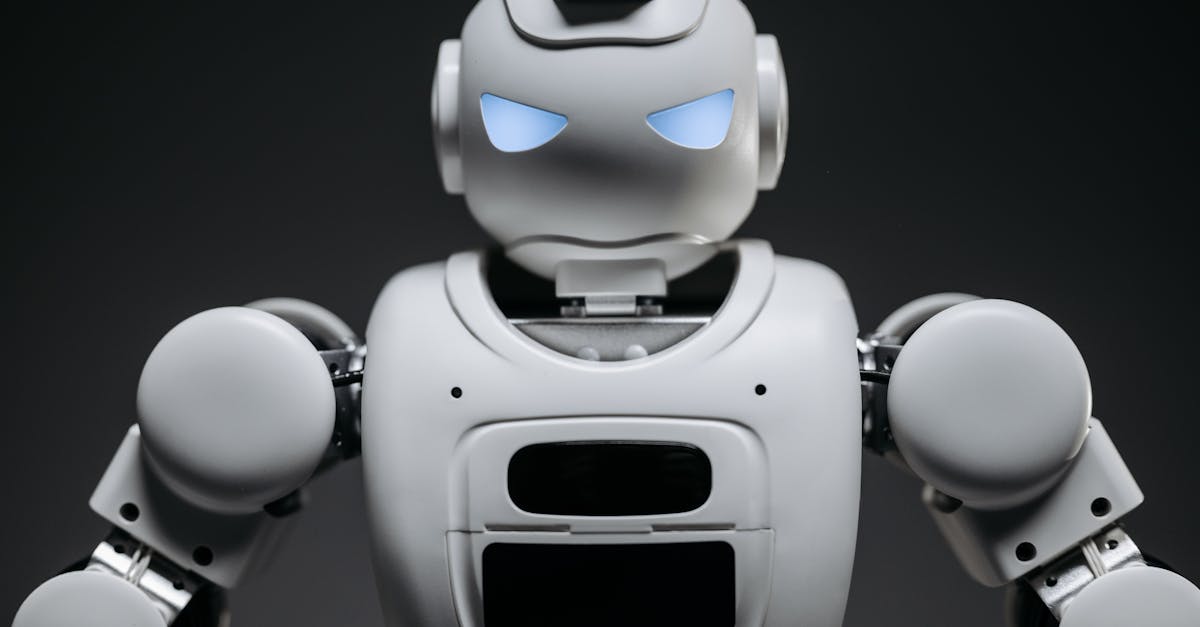
Among the most notable debuts was the Bharat-1, a 1.7-meter-tall, 60-kilogram humanoid robot developed by Bangalore-based startup Aether Dynamics. The platform features a custom-designed torque-controlled joint array, a 48V battery system offering eight hours of continuous operation, and an onboard AI vision module capable of autonomous navigation in unstructured environments. Aether Dynamics announced an initial production run of 500 units, with pre-order pricing set at ₹18.5 lakhs per unit for commercial buyers and ₹12 lakhs for academic institutions. Another major reveal came from Shenzhen-based Unitree Robotics, which unveiled its localized India variant of the Go2 humanoid line. The company partnered with Mumbai-based integrator RoboSys India to establish a final assembly facility in Gujarat, with localized pricing starting at ₹14.2 lakhs for the entry-level model and ₹22.8 lakhs for the advanced dual-arm configuration. The event also featured a dedicated startup pavilion where six Indian firms demonstrated collaborative bipedal arms and wearable exoskeletons tailored for manufacturing floor assistance.
India Market Implications
The expo highlighted a decisive shift toward domestic humanoid manufacturing. Government incentives under the PLI scheme for advanced robotics have accelerated component localization, with Indian suppliers now producing 65 percent of the required harmonic drives and actuator assemblies. Industry analysts project that the Indian humanoid robot market will cross $1.2 billion by 2027, driven by demand from automotive assembly lines, warehousing logistics, and elder care sectors. The event concluded with the signing of a memorandum of understanding between the Robotics Society of India and the Ministry of Skill Development, which will introduce a certified humanoid operations curriculum across 40 technical institutes. Future iterations of the expo will expand to include Hyderabad and Pune, cementing India’s position as a primary testing ground for cost-competitive bipedal automation.
More in Reviews & Opinion