India Unveils Astra-1: First Affordable Humanoid Robot for Industrial Automation - RobotWale News

Strategic Launch in Bengaluru
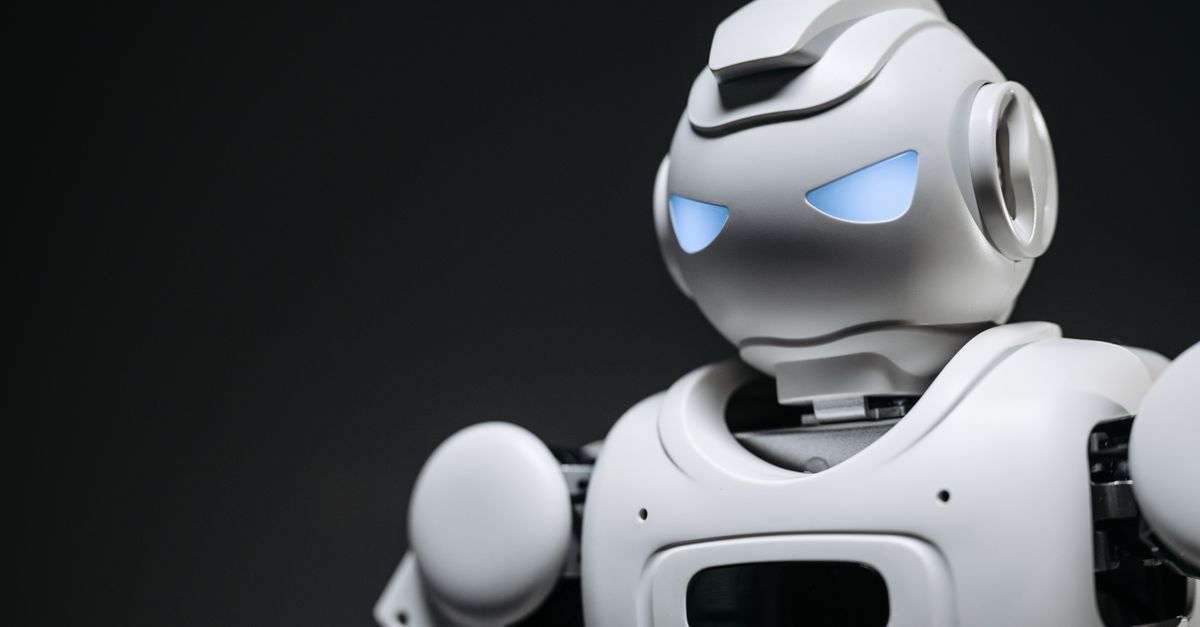
On May 15, 2024, researchers from IIT Madras and robotics startup Cognibotics unveiled Astra-1, India’s first commercially viable humanoid robot, at a press conference in Bengaluru. The 1.65-meter-tall unit features 38 degrees of freedom, force-torque sensors in all joints, and a custom multimodal AI vision system trained on Indian industrial datasets.
Technical Specifications and Pricing
Astra-1 is equipped with a 50 kg payload capacity, 12-hour battery life, and real-time SLAM navigation. The base model is priced at ₹45 lakhs (approximately $54,000), making it significantly more accessible than imported counterparts that typically exceed $150,000. Cognibotics has confirmed a production run of 200 units starting Q3 2024, with initial deployments planned at automotive assembly plants in Tamil Nadu and Maharashtra.
AI Integration and Domestic Supply Chain
The robot’s decision-making architecture relies on a locally developed transformer-based control model, trained on over 10 million hours of manipulation data. IIT Madras’s Centre for Artificial Intelligence and Robotics contributed the kinematic algorithms, while indigenous actuators and lithium-iron-phosphate battery packs ensure a 78% domestic component ratio. The system supports ROS 2 and Python-based SDKs, allowing Indian developers to customize task workflows for warehousing, quality inspection, and material handling.
Market Impact and Future Roadmap
Industry analysts project that Astra-1 will accelerate India’s push toward automated manufacturing under the Production Linked Incentive scheme. Cognibotics has secured pre-orders from three mid-tier industrial clients and is in negotiations with two automotive giants. The company plans to release Astra-1 Lite, a simplified variant priced at ₹28 lakhs, by early 2025. Government funding from the Department of Science and Technology will support the next phase of R&D, focusing on edge-computing upgrades and multi-agent coordination protocols.
Safety certifications from the Bureau of Indian Standards are currently in progress, with compliance expected by August 2024. The robot’s emergency stop mechanisms and collision avoidance algorithms meet ISO 13482 standards for personal care robots, adapted for industrial environments. Pilot testing will commence in Q2 2025, with full commercial rollout scheduled for the fiscal year 2025-26.
The launch marks a pivotal moment for India’s robotics sector, reducing reliance on foreign hardware and establishing a domestic standard for AI-driven humanoid systems.
More in Reviews & Opinion