India Unveils Draft Guidelines for Humanoid Robot Safety and Certification - RobotWale News

Regulatory Framework Overview
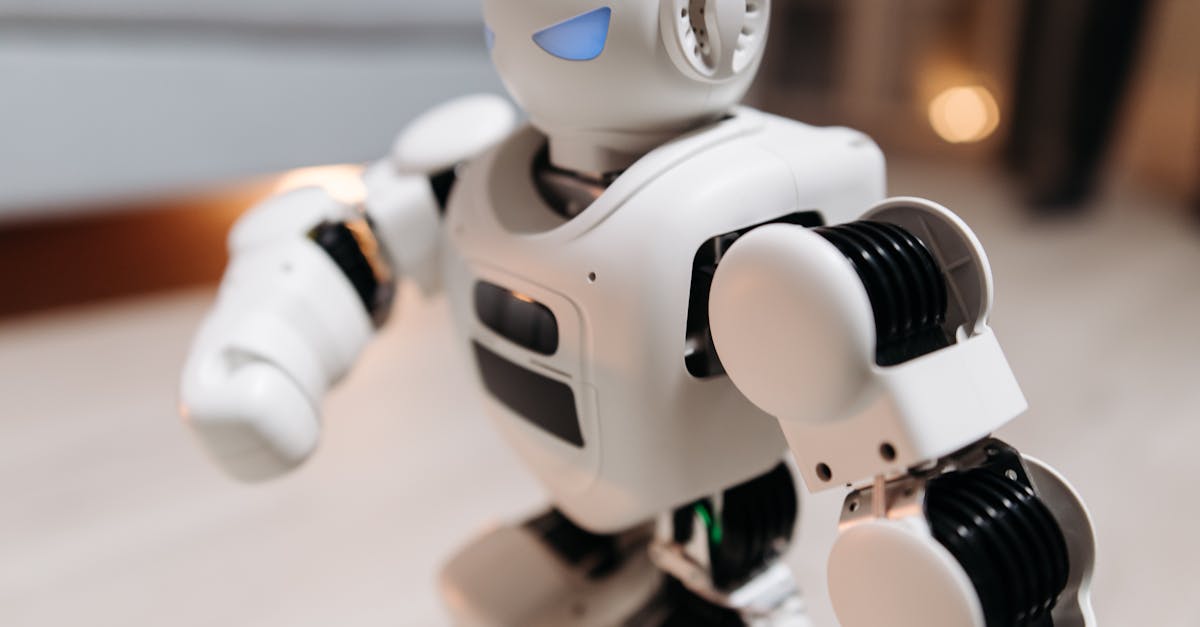
On 12 November 2024, the Ministry of Electronics and Information Technology (MeitY), in coordination with the Department of Science and Technology, officially released the Draft Guidelines for Humanoid Robot Safety and Certification. The document establishes the first comprehensive regulatory framework specifically targeting bipedal and quadrupedal humanoid systems operating in commercial, industrial, and domestic environments across India. The guidelines mandate mandatory registration for all manufacturers and importers, alongside standardized safety audits before market deployment.
Safety and Testing Requirements
Under the new framework, every humanoid robot must undergo rigorous third-party testing at MeitY-accredited laboratories. Key focus areas include fall detection algorithms, emergency stop mechanisms, AI-driven decision transparency, and physical force limitations in human-robot interaction zones. The policy also introduces a tiered compliance system: Category A covers high-load industrial units, while Category B addresses service and healthcare applications. Manufacturers must submit real-time telemetry data during the initial 180-day operational window to ensure system reliability and prevent unauthorized firmware modifications.
India Relevance and Market Impact
The regulatory push aligns with India’s broader National Robotics Mission and aims to position the country as a global testing and manufacturing hub for humanoid automation. State governments in Maharashtra, Tamil Nadu, and Karnataka have already signaled intent to allocate dedicated robotics parks compliant with the new standards. Industry analysts note that the framework will accelerate domestic production while ensuring consumer protection in rapidly expanding sectors such as logistics, eldercare, and retail automation. International vendors seeking market access will be required to partner with certified Indian entities for localization and after-sales support.
Pricing and Domestic Incentives
To stimulate local ecosystem growth, the guidelines are paired with a revised Production Linked Incentive (PLI) scheme for humanoid robotics components. Domestic assembly of humanoid platforms will qualify for subsidies covering up to 25% of manufacturing costs, with base unit pricing expected to drop below ₹18 lakh for entry-level commercial models and ₹35 lakh for advanced healthcare variants. Import duties on core actuators and sensors will be reduced to 5% for registered developers, while fully assembled foreign units will face a 15% tariff until 2027. The policy takes effect on 1 April 2025, with a six-month compliance grace period for existing deployments.
More in Reviews & Opinion