Korea-India AI Mission Launches Humanoid Robot Initiative for Elderly Care and Manufacturing - RobotWale News

Strategic Partnership and Objectives
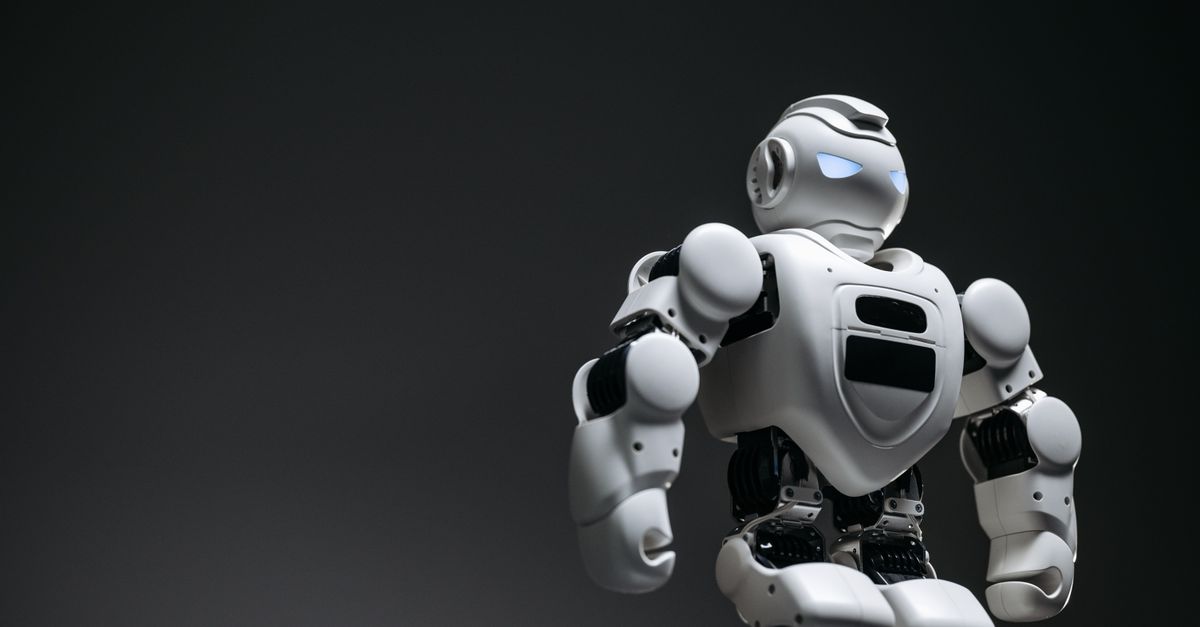
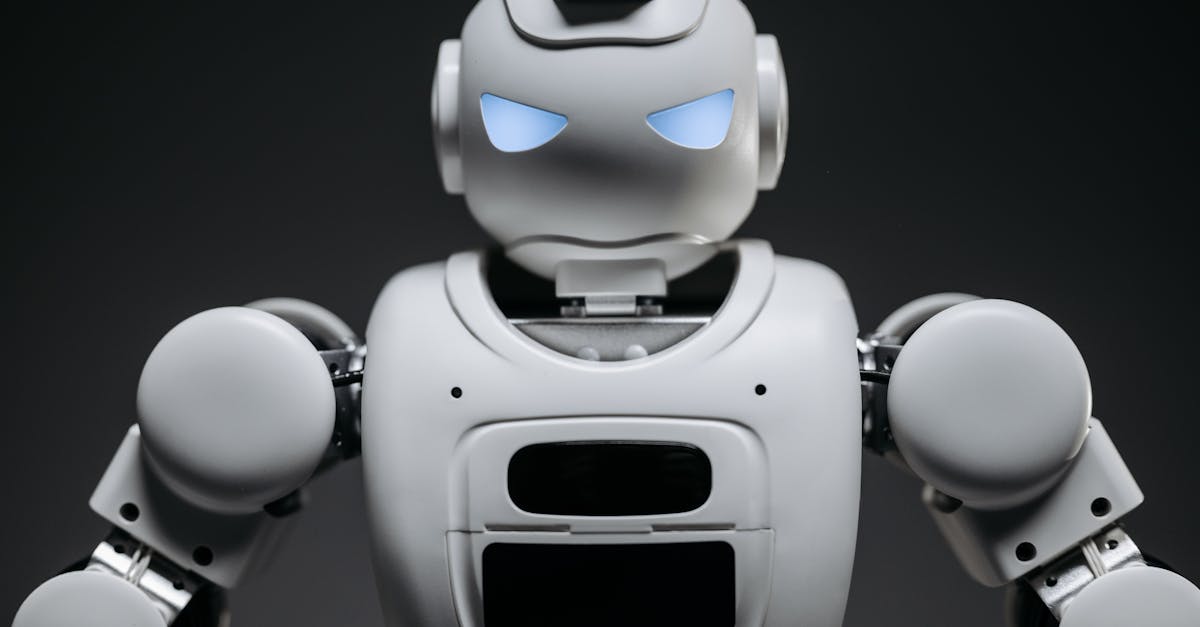
The Korea-India AI Mission (KI-AM) has officially launched a dedicated initiative to develop and deploy humanoid robots designed specifically for the Indian market. Announced this week, the program brings together the Ministry of Science and ICT of South Korea, India's Ministry of Electronics and Information Technology (MeitY), and leading private sector players including Bharat Robotics and Korean robotics firms. The primary objective is to create cost-effective humanoid robots addressing critical gaps in India's elderly care infrastructure and manufacturing efficiency. India's rapidly aging population and a growing demand for automation in the SME sector have driven this collaboration. The initiative aligns with the Indian government's broader goal of achieving self-reliance in critical technologies under the Atmanirbhar Bharat campaign.
Development Focus and Pricing
Bharat Robotics, a key Indian partner, will lead the development of the hardware platform. The initiative aims to produce humanoid robots with a target price point below ₹5 lakhs, significantly lower than imported alternatives which often cost upwards of ₹20 lakhs. This pricing strategy is intended to make automation accessible to Indian small and medium enterprises and domestic households requiring assistive technology. Technical specifications include a hybrid actuation system for energy efficiency, enabling operation times of up to 8 hours on a single charge. The humanoid form factor was selected to allow seamless integration into existing infrastructure designed for human workers, reducing the need for costly facility modifications. The robots will feature advanced locomotion for uneven terrain, dexterous manipulation for household tasks, and AI-driven interaction capabilities tailored to Indian languages and cultural contexts. The onboard AI will support real-time translation across major Indian dialects, enhancing usability in diverse regions. The project is backed by a joint funding pool of $10 million, split equally between Korean government grants and Indian startup equity, ensuring financial sustainability. The robots will undergo rigorous safety certification aligned with ISO 13482 standards for personal care robots before mass production.
Implementation Timeline and Ecosystem Growth
Prototypes are expected to be ready for field testing by Q3 2025. The first wave of deployments will focus on pilot projects in senior living facilities in Bengaluru and Hyderabad, alongside manufacturing units in Tamil Nadu. These pilots will evaluate performance in real-world scenarios, gathering data to refine the AI models and mechanical durability. The mission also includes a comprehensive talent development component. A joint training center will be established to certify 500 Indian engineers in humanoid robotics, AI integration, and maintenance over the next two years. This initiative aims to build a robust domestic supply chain and position India as a hub for affordable humanoid robot manufacturing and export. Early feedback from Korean partners highlights India's potential as a testing ground for tropical climate robustness, a factor increasingly important for global robotics deployment. Industry analysts note that this collaboration could accelerate the adoption of robotics in India, currently lagging in robot density compared to global peers, while fostering a new export-oriented industry for cost-competitive automation solutions.
More in Reviews & Opinion