MeitY and BIS Unveil Draft Framework for Humanoid Robot Safety Certification in India - RobotWale News

Government Unveils Humanoid Robot Certification Framework
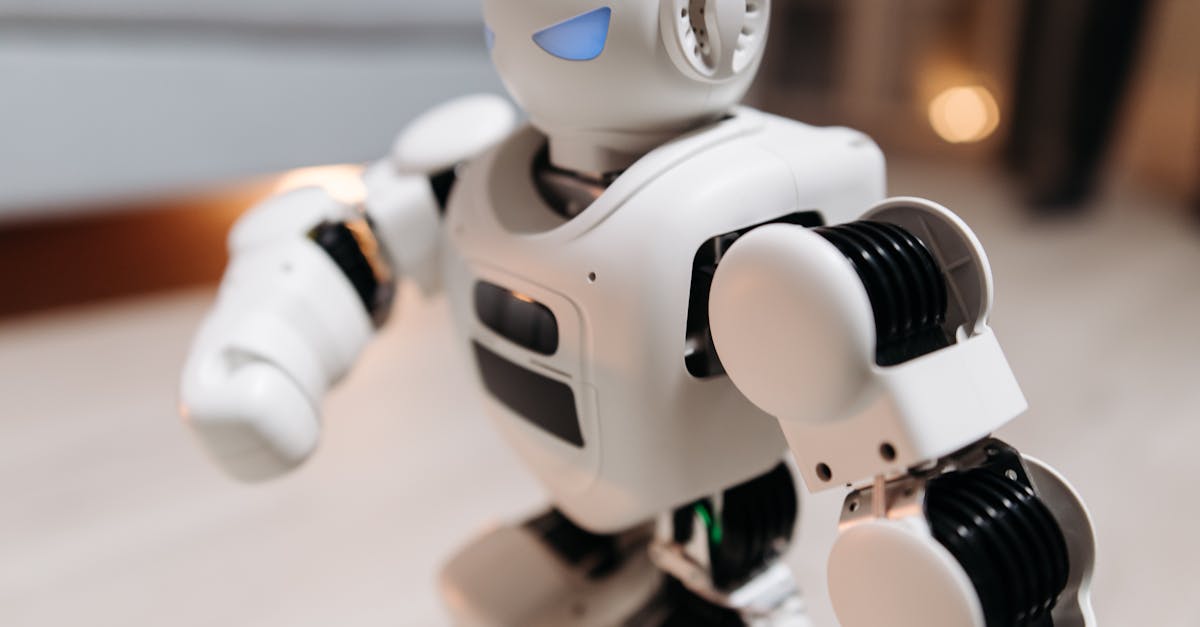
On April 12, 2024, the Ministry of Electronics and Information Technology (MeitY) in collaboration with the Bureau of Indian Standards (BIS) released a draft regulatory framework outlining the first comprehensive safety and compliance guidelines for humanoid robots operating within India. The announcement, made during a joint press conference in New Delhi, establishes mandatory performance testing, emergency stop protocols, and data localization requirements for all humanoid units deployed in manufacturing, logistics, and healthcare facilities.
Compliance Timelines and Import Structure
Under the new framework, foreign manufacturers must submit their humanoid robots for BIS certification by December 31, 2024, to qualify for continued import privileges. The government has introduced a tiered customs duty structure, reducing the base import tariff from 28 percent to 18 percent for units that achieve Level 2 safety certification. Robots lacking certification will face a 35 percent duty starting January 2025. The policy explicitly mandates that all operational data generated by humanoid robots on Indian soil must be stored on domestic servers, with MeitY allocating ₹400 crore in grants to support local data infrastructure upgrades.
Domestic Pricing and Manufacturing Incentives
Industry analysts project that compliance with the new framework will accelerate the localization of humanoid robot production, potentially lowering retail prices for Indian enterprises. Certified humanoid units are expected to enter the Indian market at an average price point of ₹18 lakh to ₹22 lakh, down from the current imported baseline of ₹32 lakh. To support this transition, the Department for Promotion of Industry and Internal Trade has extended production-linked incentives to include humanoid actuator and sensor manufacturing. Companies establishing domestic assembly lines in states like Tamil Nadu and Karnataka will qualify for additional capital subsidy coverage of up to 25 percent.
Implementation and Industry Response
The framework takes effect on July 1, 2024, with a six-month grace period for existing contracts. MeitY has formed a technical oversight committee comprising robotics engineers, labor ministry representatives, and safety auditors to monitor deployment compliance. Early feedback from domestic integrators has been largely positive, with several Bangalore-based automation firms already beginning pre-certification testing. The policy is expected to shape India’s humanoid robotics landscape by balancing rapid technological adoption with standardized safety and economic safeguards.
More in Reviews & Opinion