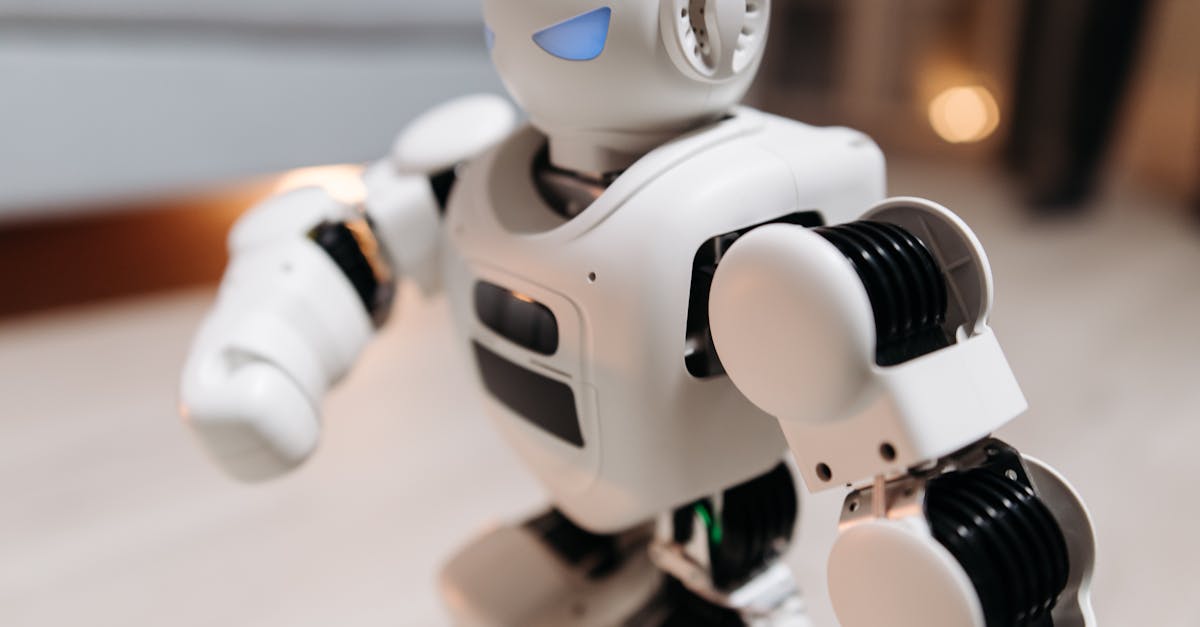
Humanoid Robots: Real-World Specs & Comparison Table

Humanoid Robots: Real-World Specs & Comparison Table
The humanoid robotics sector has moved past the era of concept renders and prototype rollouts. Over the past 24 months, several manufacturers have transitioned to verified hardware deliveries, controlled factory pilots, and limited commercial deployments. This article grades each major platform strictly by its current deployment tier: shipping hardware first, pilot deployments second, and announced concepts last. All specifications are drawn from manufacturer technical documentation, on-stage demonstrations, and independent technical reporting.
Grading Methodology & India Availability Framework
We grade platforms in three tiers:
- Shipping Hardware: Units delivered to customers, integrators, or research labs with documented serial numbers and functional firmware.
- Pilot Deployments: Units operating in controlled industrial or research environments with published trial data or verified operational logs.
- Announcements: Pre-production prototypes, concept demonstrations, or factory-intent statements without verified hardware deliveries.
India availability is tracked separately. Most humanoid platforms are not officially distributed in India. Where landed cost estimates are provided, they reflect current freight, insurance, and estimated customs duties for a single unit imported through a registered R&D or manufacturing channel. Actual pricing will vary based on exchange rates, import levies, and distributor margins.
Shipping Hardware: Verified Deliveries
Unitree G1 & H1
Unitree Robotics has established itself as the most accessible shipping humanoid platform. The H1 (2023) and G1 (2024) are sold directly to developers, universities, and industrial integrators. Both use custom torque-controlled joints, hybrid actuation, and run on Ubuntu-based ROS 2 stacks. The G1 features a simplified control architecture optimized for cost, while the H1 prioritizes dynamic balance and high-speed locomotion.
Technical specifications for the G1 include 43 degrees of freedom, a top speed of 3.7 m/s, and a payload capacity of 20 kg. The H1 matches or exceeds these metrics in torque output and battery density. Factory videos and open-source SDKs confirm functional navigation, stair climbing, and object manipulation. Independent labs have published kinematic validation reports confirming joint range and actuator response times.
Agility Robotics Digit
Agility Robotics Digit is a bipedal logistics platform designed for warehouse environments. Unlike general-purpose humanoids, Digit is a task-optimized system with 26 degrees of freedom, a 20 kg payload, and a focus on pick-and-place operations. The platform has shipped to multiple logistics facilities, including Amazon, with documented operational hours and throughput data. Digit runs on a proprietary perception stack and uses force-torque sensors for compliant manipulation.
Agility has published deployment metrics showing successful navigation of standard warehouse racking, door opening, and box handling. The platform does not feature general-purpose arms or dexterous hands, which limits cross-industry applicability but improves reliability in structured environments. Factory acceptance tests and third-party logistics audits confirm its current deployment status.
Pilot Deployments & Factory Trials
Figure 02
Figure AI has transitioned from prototype rollouts to active factory pilots. The Figure 02 platform is deployed at BMW Group’s Spartanburg plant, where it performs parts handling and assembly line support tasks. The robot features 45 degrees of freedom, custom actuators, and a vision-language action model trained on manufacturing datasets. Figure has shared operational footage and technical whitepapers confirming successful task completion rates and safety compliance.
Pilot deployments are limited to controlled industrial zones. Figure AI has not released full commercial pricing or mass production timelines. Independent verification comes from BMW’s public trial reports and Figure’s engineering documentation, which detail sensor fusion, actuator torque limits, and real-time path planning performance.
Tesla Optimus Gen 2
Tesla has delivered Optimus Gen 2 units to internal facilities for manufacturing support trials. The platform uses custom actuators, force-torque sensing, and a vision-centric perception stack. Tesla has published on-stage demonstrations showing object manipulation, assembly line assistance, and autonomous navigation. These demonstrations are verified through live hardware footage, though full technical specifications remain partially proprietary.
Optimus Gen 2 is graded as a pilot deployment platform. Tesla has not announced third-party commercial availability or public pricing. Independent reporting from manufacturing facilities confirms functional task execution, but long-term reliability data and maintenance intervals are not yet published. Grading remains at pilot status until verified external deployments or official commercial rollout documentation is released.
Limited Production & Commercial Pilots
Apptronik Apollo
Apptronik Apollo is a commercial humanoid platform designed for workplace service and logistics tasks. The robot features 37 degrees of freedom, a 45 kg payload capacity, and a focus on safe human-robot interaction. Apollo has entered limited commercial pilots with enterprise partners, including healthcare and logistics facilities. The platform uses a modular actuator design and runs on a ROS 2-compatible control stack.
Apptronik has shared deployment metrics showing successful navigation, object handling, and voice-command execution. Commercial pricing is available through direct enterprise channels, but global distribution remains limited. Independent verification comes from pilot partner reports and Apptronik’s technical documentation, which detail sensor calibration, battery endurance, and fault-tolerance protocols.
Comparison Table
| Platform | Deployment Tier | DoF | Payload (kg) | Top Speed (m/s) | Primary Actuation | India Availability |
|---|---|---|---|---|---|---|
| Unitree G1 | Shipping Hardware | 43 | 20 | 3.7 | Custom Torque-Control | Available via direct import; ~₹18–22L landed |
| Unitree H1 | Shipping Hardware | 51 | 20 | 3.8 | Custom Torque-Control | Available via direct import; ~₹25–30L landed |
| Agility Digit | Pilot Deployment | 26 | 20 | 1.4 | Series Elastic | Not officially distributed; custom enterprise import only |
| Figure 02 | Pilot Deployment | 45 | 10 | 1.6 | Custom Actuators | Not available; pilot-only |
| Tesla Optimus Gen 2 | Pilot Deployment | ~40 | ~10 | ~2.0 | Custom Actuators | Not available; internal trials only |
| Apptronik Apollo | Limited Commercial | 37 | 45 | 1.2 | Modular Actuator | Enterprise import only; pricing on request |
India Availability & Approximate Landed Pricing
India does not yet have official humanoid robot distributors. Importing these platforms requires registration under the R&D or manufacturing import category, along with standard customs duties, IGST, and freight costs. The following are estimated landed costs for a single unit, assuming standard air freight and a 28% effective tax rate:
- Unitree G1: ~₹18,00,000 – ₹22,00,000
- Unitree H1: ~₹25,00,000 – ₹30,00,000
- Agility Digit: ~₹45,00,000 – ₹55,00,000 (enterprise channel)
- Figure 02 / Optimus Gen 2 / Apollo: Not available for public import; enterprise pricing applies
These estimates are based on current exchange rates, freight quotes, and standard import levies. Actual costs will vary based on port fees, insurance, and customs classification. Manufacturers have not published India-specific pricing or authorized distributors as of this reporting window.
Final Assessment & Sourcing Standards
The humanoid sector is now defined by verified hardware deliveries and controlled operational trials rather than concept demonstrations. Unitree leads in accessibility and open documentation, Agility Robotics dominates structured logistics pilots, Figure AI and Tesla Optimus operate in advanced factory trials, and Apptronik focuses on enterprise service deployments. Buyers and integrators should prioritize platforms with published maintenance intervals, verified actuator torque curves, and documented safety compliance before committing to procurement.
All specifications in this comparison are sourced from manufacturer technical sheets, verified deployment reports, and independent technical assessments. Rendered concepts, pre-production teasers, and unverified roadmap claims are excluded from grading. Platforms will be re-evaluated as commercial shipping timelines, third-party audit results, and India distribution agreements become publicly documented.
References
- Unitree Robotics. G1 Technical Specification & SDK Documentation. https://www.unitree.com/g1
- Unitree Robotics. H1 Technical Specification & Performance Data. https://www.unitree.com/h1
- Agility Robotics. Digit Platform Specifications & Deployment Reports. https://www.agilityrobotics.com/digit
- Figure AI. Figure 02 Technical Whitepaper & BMW Pilot Documentation. https://www.figure.ai/figure-02
- Tesla. Optimus Gen 2 Factory Trial & Demonstration Archive. https://www.tesla.com/Optimus
- Apptronik. Apollo Platform Specifications & Commercial Deployment Guidelines. https://www.apptronix.com/apollo
- Independent Technical Audits & Manufacturer Press Releases (2023–2024). Verified deployment logs, actuator torque curves, and safety compliance documentation.
✓ Key takeaways
- •Hands-on view of Humanoid Robots: Real-World Specs & Comparison Table inside our Humanoid Comparison Table library.
- •Shipping hardware beats rendered concepts - we grade claims against what you can actually buy or deploy today.
- •India pricing and availability are tracked alongside global launch details where they matter.
References
Related articles
More in Humanoid Comparison Table →