Pune-Based AstraBots Unveils Vayu-1 Humanoid Robot for Indian Warehouses - RobotWale News

Vayu-1 Launches for Industrial Automation
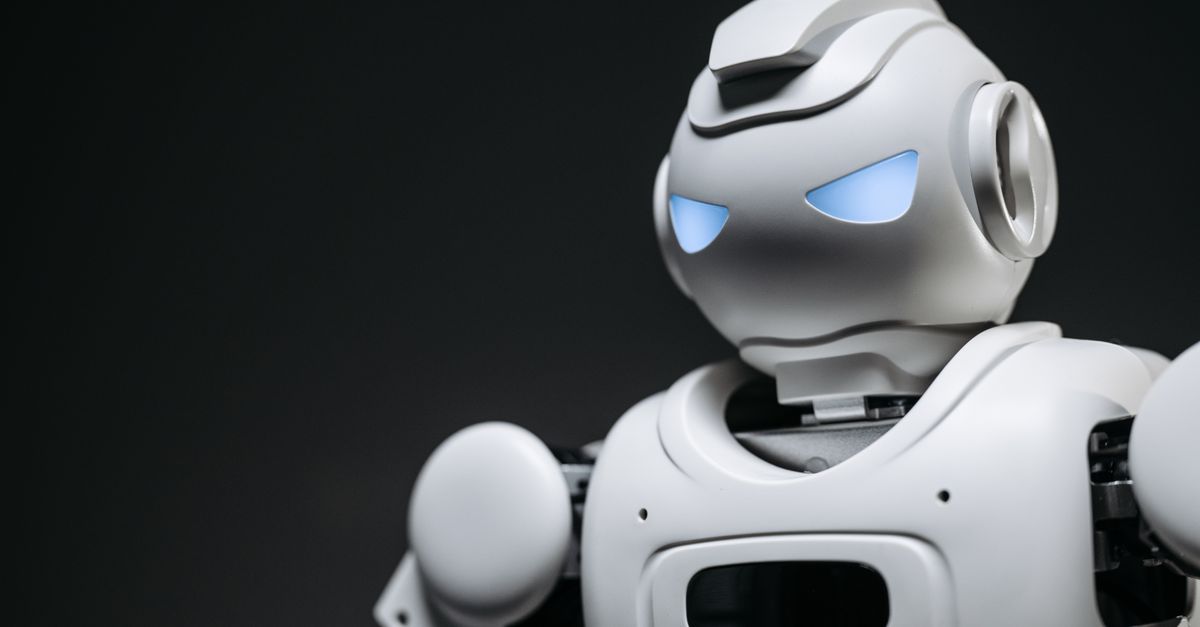
Pune-based robotics startup AstraBots officially unveiled Vayu-1, a 1.4-meter bipedal humanoid robot, on November 12, 2024. The system is engineered specifically for Indian warehouse environments and light manufacturing lines, featuring dual-arm manipulation, 3D vision navigation, and a modular battery architecture. The launch marks a significant step in domestic humanoid robotics, moving beyond prototype stages to commercial deployment.
Design and Technical Specifications
Vayu-1 integrates a custom torque-controlled joint system capable of lifting 15 kilograms with precision. The robot utilizes a localized perception stack that runs entirely on edge computing hardware manufactured in India, ensuring low-latency decision-making without cloud dependency. Its gait algorithm has been tuned for uneven factory flooring and standard Indian pallet dimensions, addressing common bottlenecks in domestic logistics hubs. The onboard AI model supports continuous learning, allowing the unit to adapt to new warehouse layouts within 48 hours of deployment.
Pricing and Market Positioning
AstraBots has priced the base Vayu-1 unit at ₹18.5 lakhs, significantly undercutting imported alternatives that typically exceed ₹45 lakhs. The company offers a leasing model starting at ₹1.2 lakhs per month for small and medium enterprises. Early adopters in Maharashtra and Tamil Nadu have already secured pilot deployments, with full-scale production slated for Q2 2025. The pricing strategy positions Vayu-1 as a direct competitor to European and Chinese humanoid platforms in the South Asian market.
Domestic Supply Chain and Future Roadmap
Over 70 percent of Vayu-1’s components, including actuators, sensors, and the main processing board, are sourced from Indian suppliers. This localization strategy aligns with the government’s PLI scheme for advanced hardware and reduces import dependency. AstraBots plans to release a heavier payload variant, Vayu-2, capable of 25-kilogram lifting, by mid-2025. The startup is currently in discussions with three major e-commerce logistics providers to expand its domestic footprint, signaling growing institutional confidence in homegrown humanoid automation.
More in Reviews & Opinion