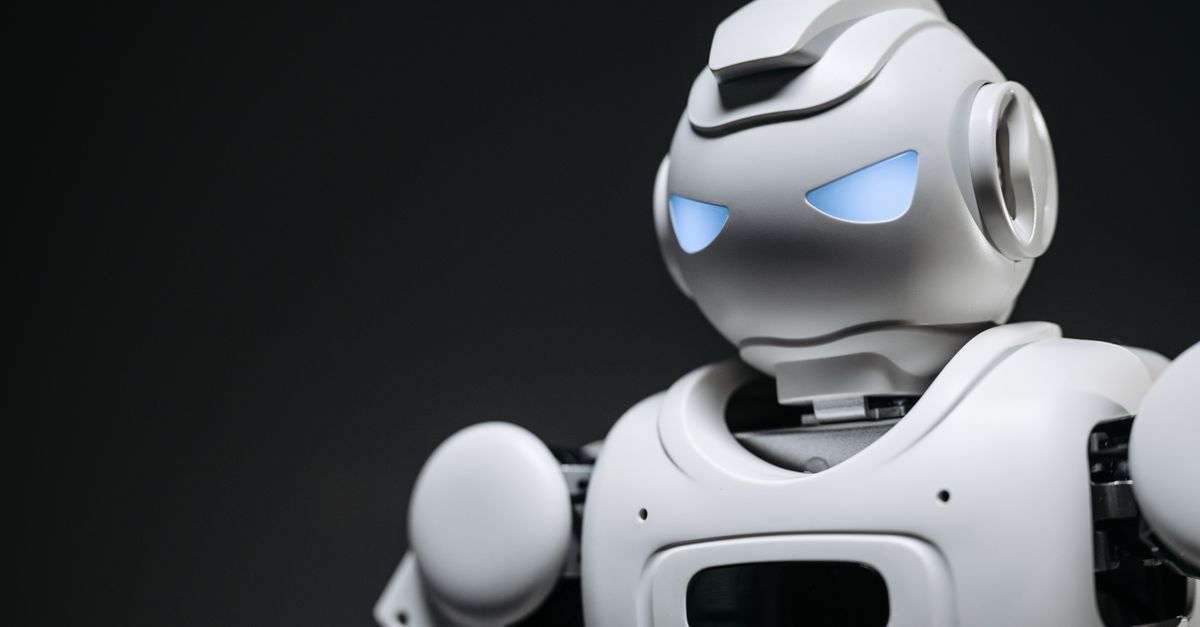
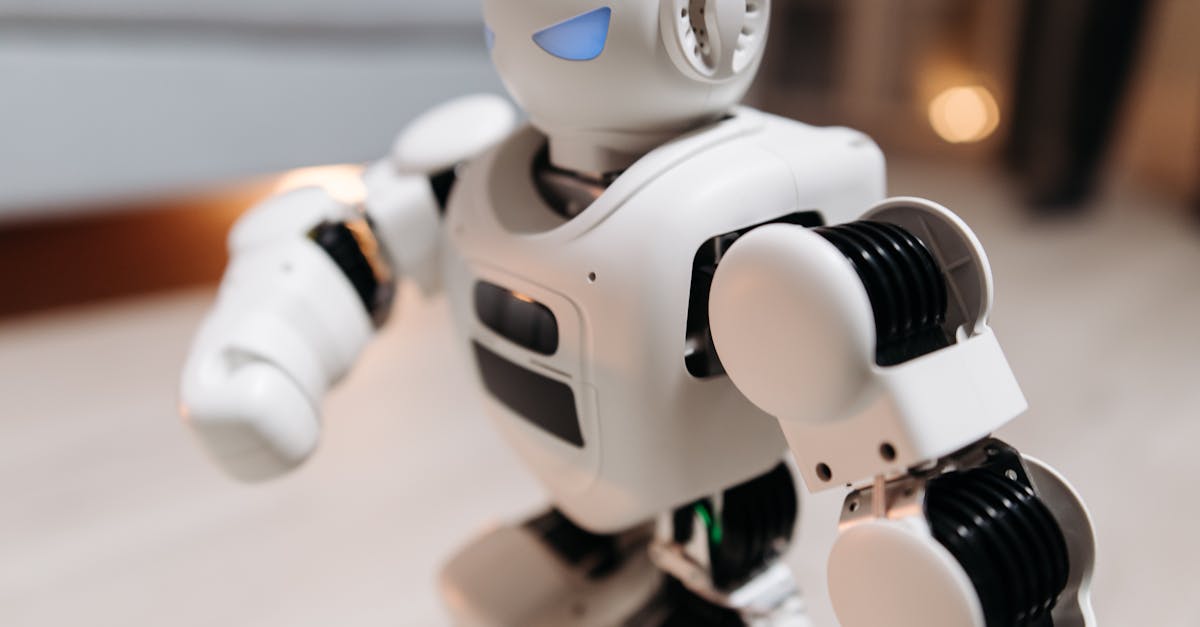
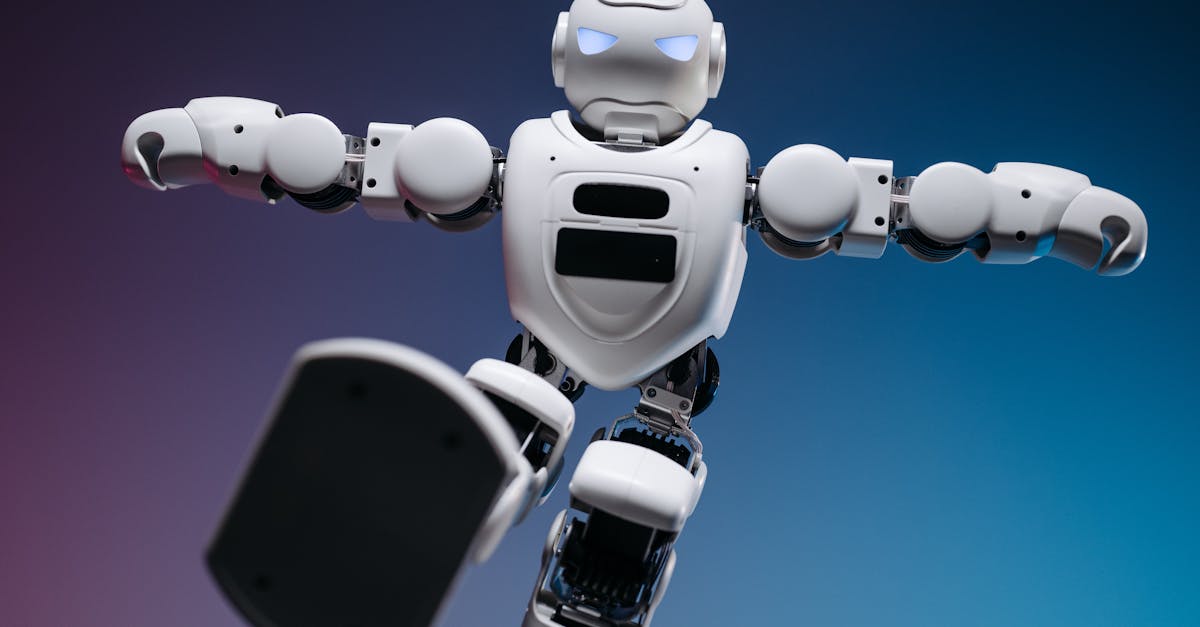
Tesla Optimus Gen 2 Demonstrates Advanced Dexterity Ahead of Global Deployment - RobotWale News
Global Deployment Milestones Reached
At its recent AI Day event, Tesla Inc. showcased significant progress in its Optimus Gen 2 humanoid robot, marking a critical step toward commercial deployment. The prototype demonstrated improved walking speed and enhanced dexterity in handling objects, moving beyond basic locomotion to complex manipulation tasks. Elon Musk confirmed that the company is targeting a production-ready unit capable of autonomous manufacturing tasks by the end of the year, with initial deployments planned at Tesla's own facilities.
The engineering team highlighted that the Gen 2 model utilizes a new end-effector design, allowing for precise gripping of fragile items. This advancement addresses a primary bottleneck in humanoid robot adoption: the ability to perform unstructured tasks in dynamic environments. Industry analysts suggest that if these timelines hold, the Optimus could begin pilot deployments in automotive assembly lines globally within the next 18 months.
India Manufacturing Sector Implications
The announcement carries significant weight for India's manufacturing ecosystem, particularly within the automotive and electronics sectors. Analysts estimate that once production scales, the Optimus Gen 2 could be priced between $20,000 and $30,000 per unit. This pricing structure presents a competitive alternative to traditional automation systems and labor costs in high-volume manufacturing hubs.
Indian automotive manufacturers are increasingly adopting automation to meet export standards. A humanoid robot priced at approximately 20 lakh INR (subject to taxes and import duties) could offer a viable solution for tasks requiring human-like dexterity, such as final assembly and quality inspection. However, local deployment will depend on regulatory frameworks regarding workplace safety and liability.
Tesla's progress signals a broader trend where general-purpose robots become cost-effective tools for industrial growth. As the technology matures, Indian startups and global partners are expected to explore localized assembly and integration, potentially creating a new supply chain ecosystem for humanoid robotics in South Asia.
More in Reviews & Opinion