Tesla Unveils Optimus Gen 3 Humanoid Robot with Enhanced Dexterity and Industrial Deployment Roadmap - RobotWale News

Breakthrough in Humanoid Automation
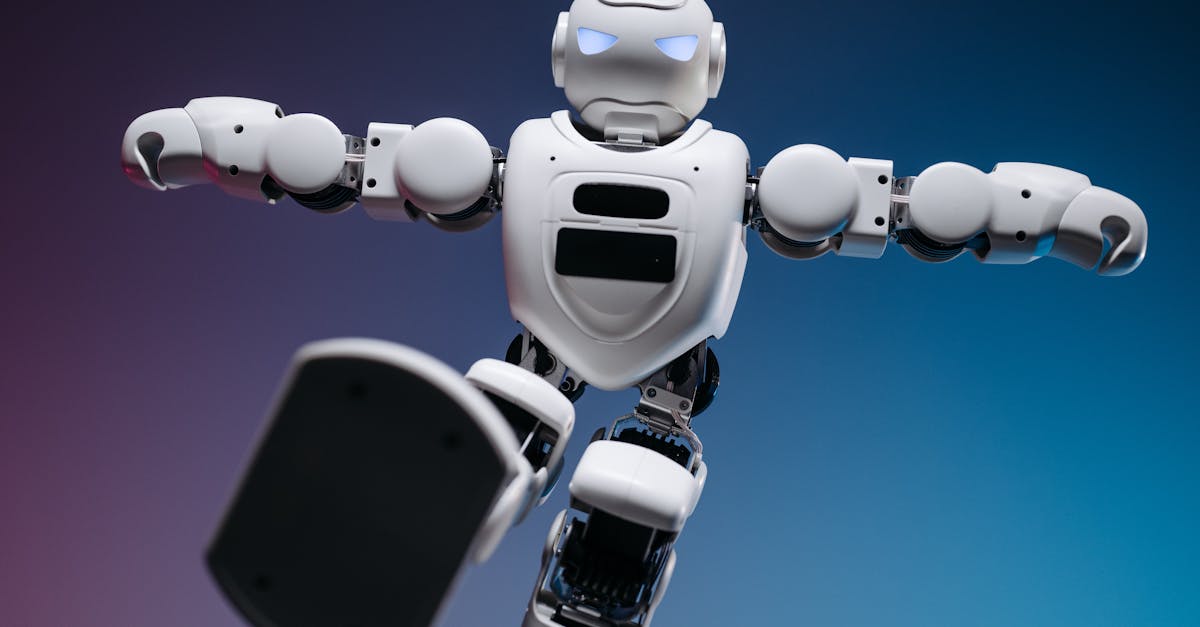
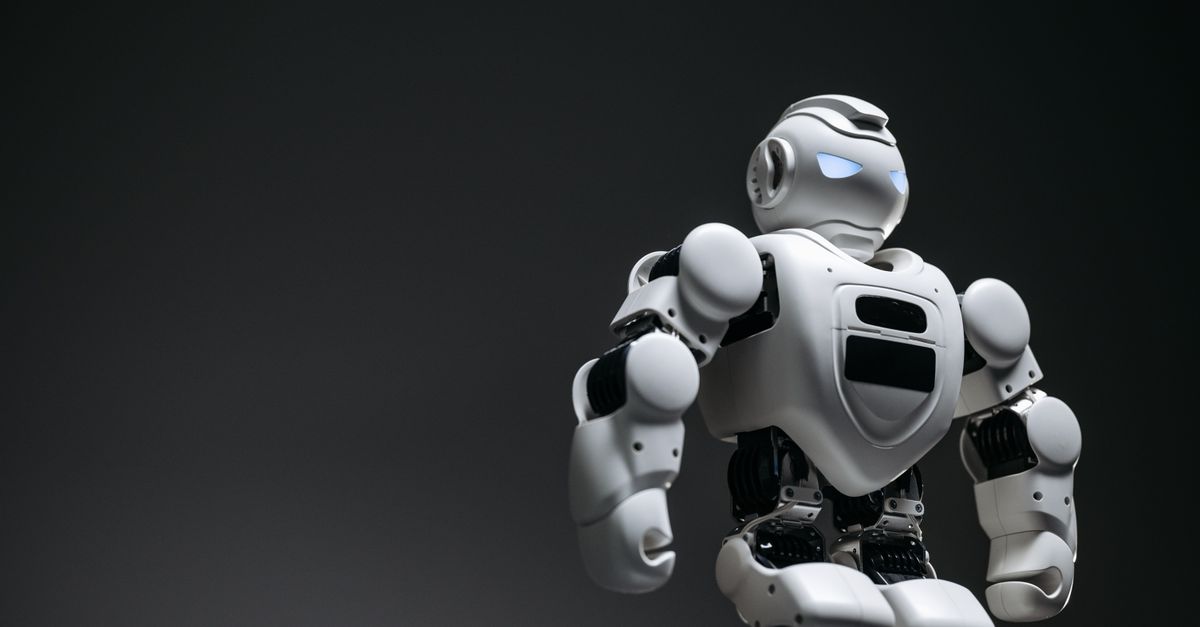
Tesla announced the Optimus Gen 3 humanoid robot during its latest AI Day presentation, detailing the final specifications before commercial release. The demonstration, conducted across a simulated automotive assembly line, showcased the latest iteration of the company’s bipedal machine. The unit features 28 degrees of freedom in the hands, improved torque density in the legs, and a fully integrated vision-language-action AI stack. The robot successfully navigated complex factory environments, sorted mixed components, and performed delicate assembly tasks with human-like precision.
Technical Specifications and Operational Capabilities
The Optimus Gen 3 utilizes next-generation silicon carbide actuators and a refined neural network trained on real-world manufacturing data. Tesla reports a 40 percent increase in continuous operation time, alongside enhanced balance algorithms that allow stable movement on uneven industrial flooring. The onboard computing system processes sensor data at 30 hertz, enabling real-time obstacle avoidance and adaptive grip control. Unlike previous prototypes, the Gen 3 model includes a standardized communication protocol compatible with existing industrial robots, facilitating seamless integration into automated production lines.
Indian Market Relevance and Projected Pricing
Indian automotive and consumer electronics manufacturers are closely tracking the Optimus Gen 3 rollout. With India’s push toward domestic robotics production under the PLI scheme, local system integrators are evaluating the platform for assembly line deployment in Tier 2 and Tier 3 cities. Component localization efforts are already underway with Indian electronics manufacturers, who stand to supply actuators, sensors, and power management systems. Industry analysts project that once localized assembly and domestic sourcing are established, the robot’s price in India will fall between ₹20 lakh and ₹25 lakh ($24,000 to $30,000). This pricing tier would make humanoid automation economically viable for small and medium enterprises, accelerating India’s transition to smart manufacturing hubs.
Competitive Landscape and Deployment Timeline
The announcement intensifies global competition in the humanoid robotics sector, with Figure AI, Agility Robotics, and Unitree actively advancing their own commercial models. Tesla plans to begin limited internal deployments at its Austin and Shanghai facilities by late 2025, followed by broader third-party licensing. Indian robotics firms have already initiated preliminary discussions with Tesla’s partner network to explore technology transfer and joint manufacturing agreements. As regulatory frameworks for autonomous workplace systems evolve, the Optimus Gen 3 sets a new benchmark for reliability, cost efficiency, and scalable industrial integration.
More in Reviews & Opinion