Unitree G1 Pricing Disrupts Market: ₹8.2 Lakh Humanoid Targets India - RobotWale News

Global Pricing Announcement
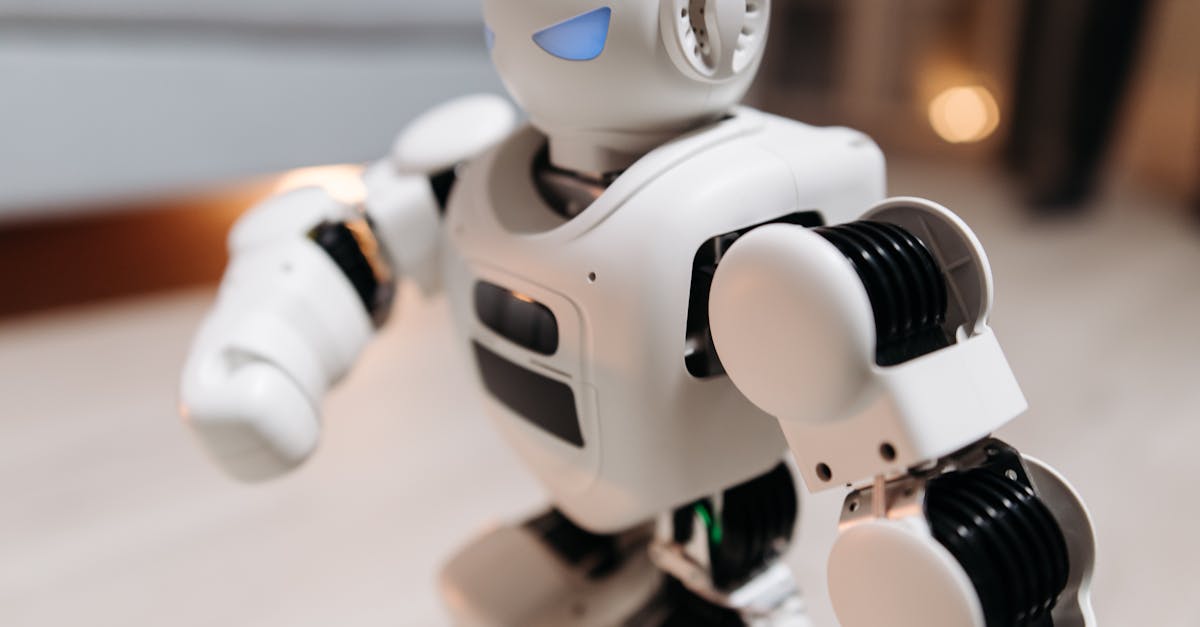
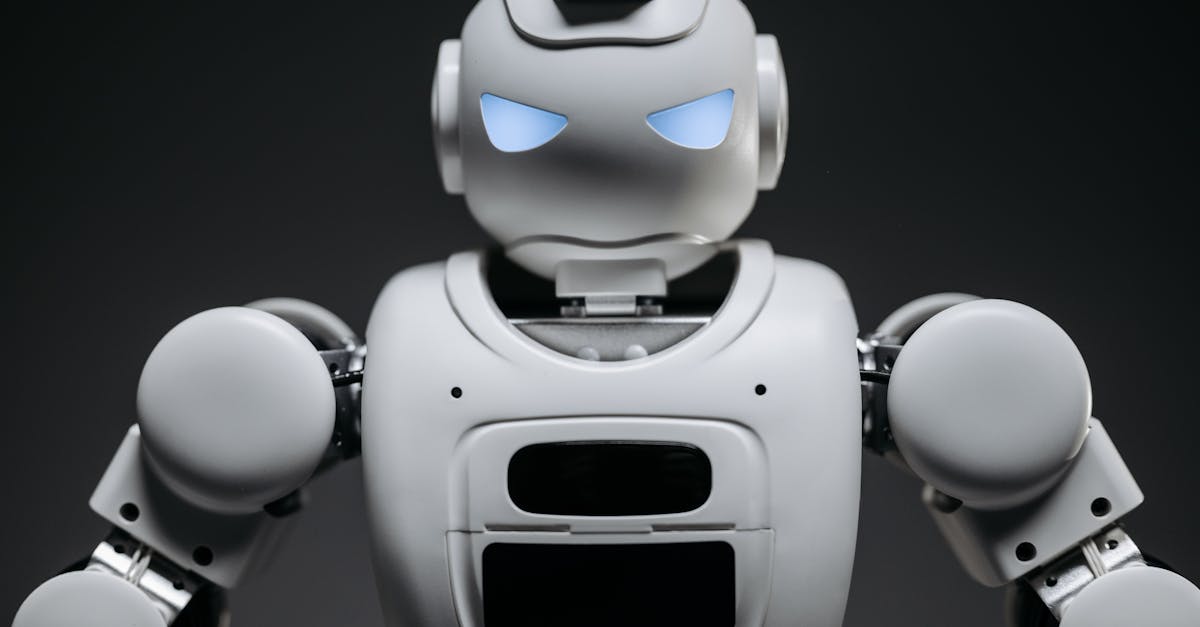
Unitree Robotics has officially confirmed the pricing structure for its G1 and H1 humanoid robots during a live demonstration event earlier this week. The G1 humanoid robot will start at a groundbreaking $9,900 for the base model, with the fully equipped version priced at $16,000. The larger, more powerful H1 model is priced at $20,000. This pricing strategy marks a significant departure from the industry standard, where humanoid robots typically cost upwards of $200,000. The move signals a shift toward mass production and cost-effective manufacturing of high-torque actuators, which have historically been the primary cost driver for bipedal robots.
India Market Implications
For India, this development is particularly timely and disruptive. With the Indian government actively promoting 'Make in India' initiatives in robotics and a surge in domestic humanoid startups such as Kroox and Raman Robotics, the entry of a sub-$10,000 robot poses both a challenge and a unique opportunity. Converting the base G1 price to Indian Rupees, the cost stands at approximately ₹8.2 lakhs. This price point makes the robot accessible for Tier-1 engineering colleges, R&D labs, and agile manufacturing SMEs across the country. Industry analysts suggest this affordability could accelerate the adoption of humanoid platforms in Indian research environments, which have previously been limited to a few well-funded corporate labs. Local integrators may also find new opportunities in customizing these units for agricultural assistance and last-mile delivery prototypes.
Technical Specs and Developer Impact
From a review perspective, the G1 boasts impressive specifications for its price point, including a peak torque of 200Nm in its joints, a 4-hour battery life, and robust support for ROS 2 integration. The affordability allows Indian developers and startups to experiment with advanced motion control and AI manipulation without prohibitive capital expenditure. Competitors will likely face pressure to lower costs or differentiate through localized support, service networks, and manufacturing. The availability of open-source interfaces further empowers the Indian developer community to customize the robot for specific use cases.
Editorial Analysis and Future Outlook
RobotWale's editorial team notes that while the hardware price is compelling, the total cost of ownership will depend heavily on software support and the availability of spare parts within India. The pricing structure also highlights the rapid evolution of the supply chain. Unitree's ability to offer these specs at this price suggests vertical integration in motor and sensor production, a model that Indian manufacturers could emulate. For the Indian robotics ecosystem, the G1's arrival raises questions about the viability of high-cost domestic platforms. Startups relying on imported actuators must now justify their premium through superior software stacks or domain-specific hardware. Meanwhile, India's growing lithium-ion battery industry could benefit from supply chain partnerships, as humanoid robots drive demand for high-discharge cells. RobotWale will be conducting a comprehensive review of the G1's performance in Indian conditions once units become available. Stakeholders are advised to watch for distributor announcements and import regulations regarding high-torque robotic actuators in the coming months.
More in Reviews & Opinion