Unitree Unveils G1 Humanoid Robot, Paving Way for Affordable Automation in India - RobotWale News
Official Launch and Core Specifications
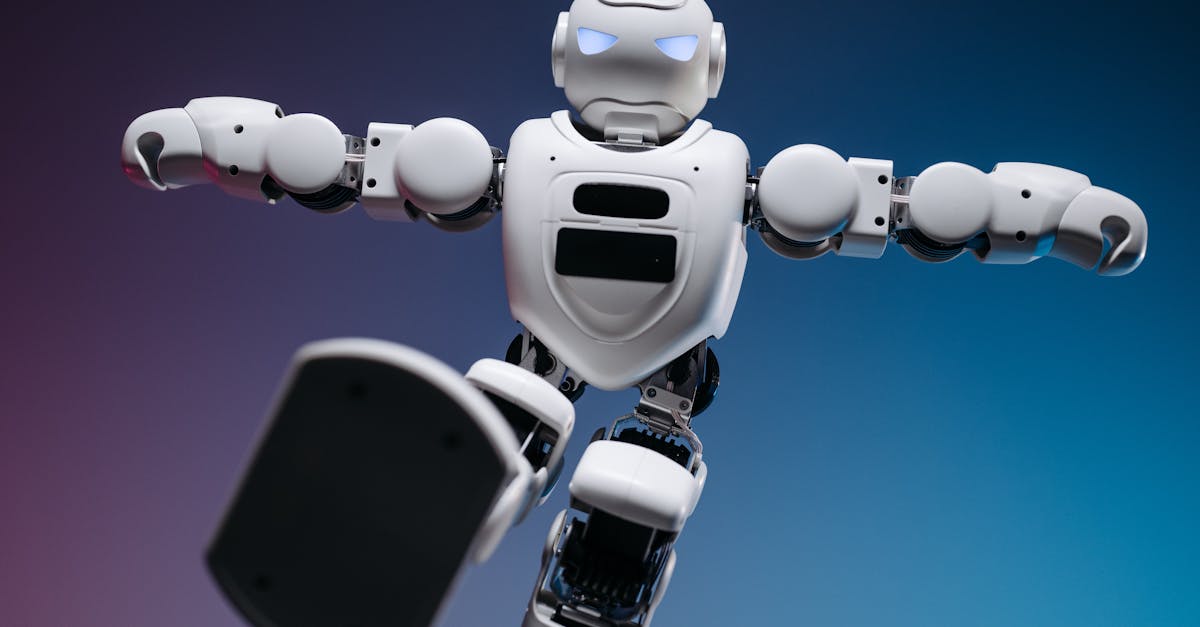
Chinese robotics manufacturer Unitree Robotics has officially unveiled the G1, a fully actuated 28-degree-of-freedom humanoid robot designed for commercial and research applications. The announcement was made on Monday during a live product demonstration at the company’s Hangzhou headquarters. The G1 stands 127 centimeters tall and weighs 47 kilograms, featuring high-torque joint motors, a custom-designed battery pack, and advanced balance algorithms that enable stable walking speeds of up to 3.7 kilometers per hour. Unlike earlier prototypes, the production model integrates a standardized control architecture and supports third-party software development through an open SDK.
Global Deployment and Pricing Structure
Unitree has set the base price of the G1 at $16,000 for research institutions and $20,000 for commercial entities, positioning it as one of the most affordable humanoids on the market. Pre-orders opened immediately following the announcement, with initial shipments scheduled for Q3 2024. The company has confirmed partnerships with three European logistics firms and two North American research universities for early-stage deployment. The G1 is engineered to handle repetitive tasks such as inventory sorting, material transport, and basic assembly line support, with modular tooling interfaces allowing customization for specific industrial workflows.
Implications for the Indian Market
For India’s rapidly expanding automation sector, the G1’s entry presents both opportunities and regulatory considerations. Indian manufacturing and logistics companies have long sought cost-effective humanoid solutions to address labor shortages in warehousing and assembly. At the announced exchange rate, the robot’s pricing falls within the procurement range of mid-tier Indian industrial parks, though import duties and GST implications remain under review by the Commerce Ministry. Local robotics integrators, including several Bangalore and Pune-based automation firms, have already initiated technical evaluations to assess compatibility with existing factory infrastructure. Industry analysts suggest that if India’s government grants preferential tariff treatment for automation hardware, local assembly partnerships could emerge within the next 18 months, accelerating the adoption of humanoid robotics across the country’s industrial corridors.
More in Reviews & Opinion