Unitree Unveils H2 Humanoid with 150-Hour Battery Life and 30 km/h Speed - RobotWale News
Unitree Launches H2 Humanoid Robot
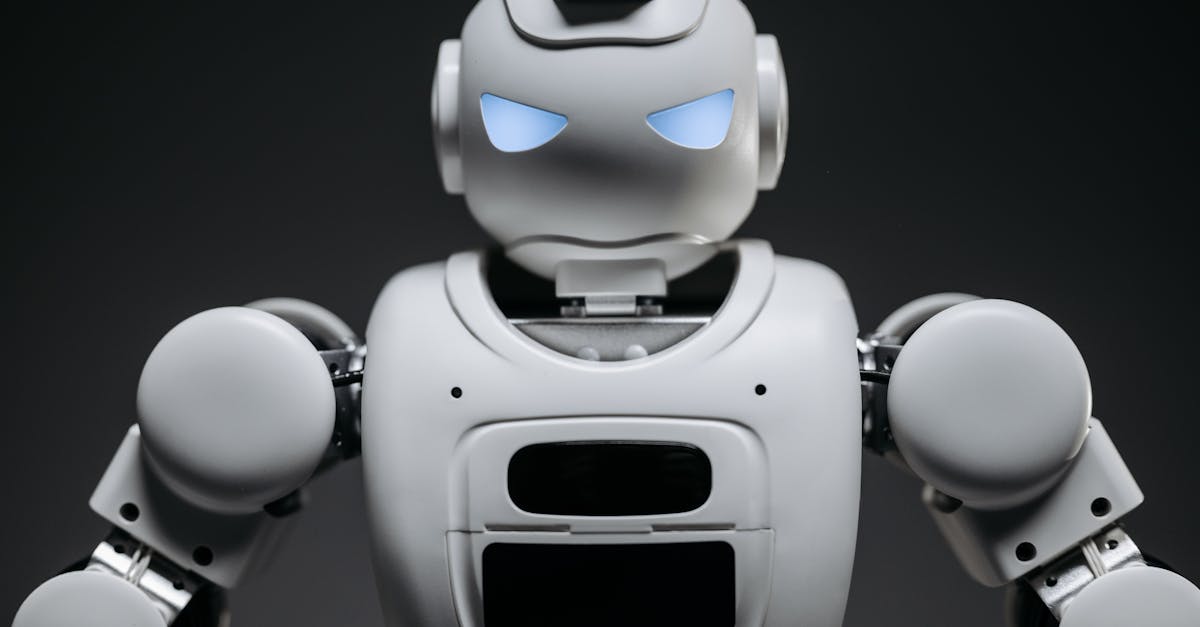
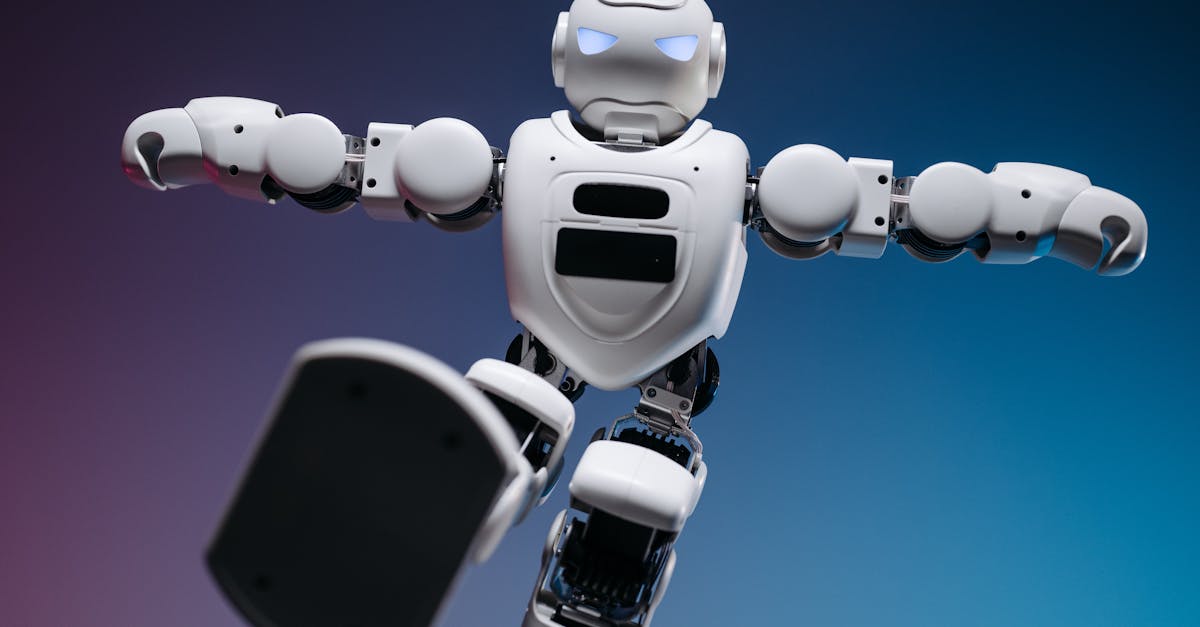
Unitree Robotics has officially introduced the H2, a new general-purpose humanoid robot that sets new benchmarks for endurance and agility. Announced at the company's 2024 product launch event in Hangzhou, the H2 represents a significant leap in autonomous mobility and mechanical design. The robot stands at 1.73 meters tall and weighs just 47 kilograms, making it one of the lightest full-size humanoids available on the market. Its most striking feature is a massive 150-hour battery life, enabled by a custom low-power architecture and advanced energy management system that drastically reduces idle consumption. The H2 also features a high-frequency control loop of 1kHz, ensuring rapid response times for balance corrections and dynamic movements.
Performance Metrics and Pricing
The H2 achieves a top speed of 30 kilometers per hour, matching the average human walking pace while maintaining dynamic balance over uneven surfaces. It utilizes proprietary high-torque actuators capable of 300 Nm of torque, allowing it to navigate rough terrain, climb stairs, and carry payloads effectively. The robot is equipped with a comprehensive sensor suite, including 3D vision and LiDAR, facilitating precise navigation in complex environments. Unitree has priced the H2 at approximately $39,000 (roughly ₹32.5 lakh at current exchange rates). This aggressive pricing strategy positions the H2 as a highly accessible alternative to Western competitors like Tesla's Optimus and Figure AI's Figure 02, which have faced speculation over higher production costs and longer delivery timelines.
Relevance to the Indian Robotics Ecosystem
For India's robotics sector, the H2's introduction carries significant weight. Unitree already operates a robust distribution network across India, supplying quadruped robots to educational institutions, IITs, research labs, and industrial inspection firms. The H2's competitive pricing lowers the barrier to entry for Indian startups, research centers, and enterprises looking to experiment with humanoid automation. Industry observers note that this affordability could accelerate the adoption of humanoid robots in key Indian verticals, including logistics, warehousing, and potentially agriculture for harvest assistance. Furthermore, with the Indian government's focus on the "Make in India" initiative and the National Robotics Mission, there is growing interest in local assembly and manufacturing partnerships. While Unitree has not yet announced specific India launch dates for the H2, existing channel partners are expected to integrate the model into their portfolios in the coming months, potentially sparking a new wave of humanoid innovation within the Indian tech ecosystem.
More in Reviews & Opinion