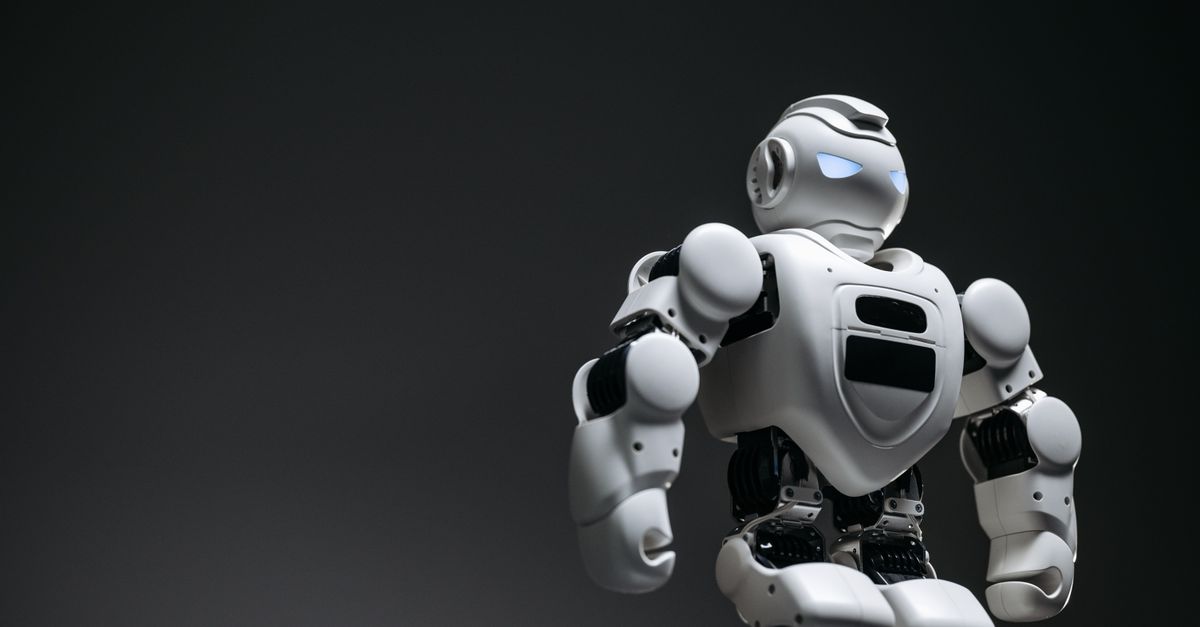
1X NEO: Soft-Bodied Humanoid Robot Assessment

Introduction to the 1X NEO
The 1X NEO, developed by the Norwegian-American robotics company 1X Technologies, represents a distinct deviation from the dominant rigid-link humanoid designs currently dominating the industry. Unlike competitors that prioritize high-torque electric actuators for speed and precision in structured environments, the NEO was engineered with a focus on soft robotics and compliance. This approach aims to solve the safety and interaction challenges inherent to deploying robots in unstructured human living spaces.
1X Technologies, founded by a team with deep expertise in autonomous systems and robotics, unveiled the NEO in 2023. The company has positioned the robot not merely as a general-purpose machine but specifically as a household helper capable of performing complex physical tasks such as laundry, cleaning, and folding. While the concept of soft-bodied robots has existed in research for decades, the NEO marks one of the first attempts to bring this form factor to a commercial pilot stage.
It is crucial to note the current operational status of the unit. As of late 2024, the 1X NEO remains in the pilot and prototype phase. There is no confirmed mass-production line for general consumer purchase. The deployment strategy focuses on enterprise partnerships and controlled beta testing environments rather than direct-to-consumer retail channels.
Design Philosophy and Soft Robotics
The defining characteristic of the 1X NEO is its adherence to soft robotics principles. Traditional humanoids like the Tesla Optimus or the Figure 01 utilize hard shells and rigid joints to achieve stability and high-speed movement. In contrast, the NEO utilizes soft actuators and compliant materials in its joints and limbs. This design choice prioritizes safety during physical contact with humans and their belongings.
Soft robotics offers inherent compliance. If a soft actuator encounters an unexpected resistance or collision, the system yields rather than exerting damaging force. For a robot intended to operate in kitchens and living rooms, this reduces the risk of injury to operators and damage to property. The NEO's exoskeleton is designed to be lightweight, reducing the energy consumption required for locomotion.
However, soft robotics presents engineering challenges. Compliance can lead to reduced precision and stability during high-speed tasks. 1X Technologies has addressed this through advanced control software that adjusts stiffness dynamically based on the task. When manipulating fragile items like glassware, the system increases compliance; when carrying heavy loads, it increases stiffness through active control algorithms.
The hardware specifications available from manufacturer demonstrations indicate a height of approximately 170 cm (5 feet 7 inches), designed to match human scale for tool interaction. The weight distribution is optimized for bipedal stability, though the soft structure reduces the structural rigidity found in traditional steel or carbon-fiber frames. Battery capacity is estimated to support 4 to 8 hours of active operation, a critical metric for household tasks that may require long durations.
Manipulation Capabilities and Dexterity
One of the primary use cases for the 1X NEO is domestic service work, specifically tasks involving manipulation. The robot is equipped with dexterous hands designed to replicate human finger movement. These hands feature tactile feedback sensors that allow the system to detect grip force and object texture.
During on-stage demonstrations, the NEO has been shown performing tasks such as folding laundry and organizing items on a table. This capability relies heavily on the soft actuation in the fingers, which allows for a gentle yet secure grip on irregular objects. The control system utilizes a combination of visual processing and proprioceptive feedback to adjust the grip in real-time.
The manipulation capabilities extend to the robot's ability to navigate domestic environments. The NEO is designed to traverse uneven floors common in households, utilizing a leg structure that mimics the human gait. However, the soft nature of the legs means that energy efficiency during walking is a trade-off against the safety benefits. The robot's gait is generally slower than that of rigid-legged competitors to maintain balance on soft or slippery surfaces.
It is important to distinguish between demonstration videos and consistent performance. While the robot has successfully completed specific tasks in controlled settings, consistent performance across unstructured environments remains a key area of development. The pilot programs focus on training the robot to recognize household clutter and adapt to different lighting conditions.
Safety and Human Interaction Protocols
Safety is the cornerstone of the NEO's value proposition. In a rigid humanoid design, a collision with a human can result in significant injury. The NEO's soft body mitigates this risk significantly. The materials used in the chassis and limbs are non-metallic and impact-absorbing.
Beyond physical safety, the robot incorporates software-level safety protocols. These include emergency stop mechanisms triggered by physical contact sensors and software-based geofencing to prevent the robot from entering restricted areas of a home. The control architecture is designed to prioritize human safety over task completion speed.
For the Indian market, safety regulations regarding domestic robotics are still evolving. The current lack of specific standards for humanoid robots in India means that 1X Technologies operates under general electrical safety guidelines. The soft-body design aids in meeting these general safety requirements more easily than rigid alternatives.
However, reliance on soft materials introduces wear-and-tear concerns. Unlike metal joints, soft actuators degrade over time due to friction and material fatigue. Maintenance protocols for the NEO involve regular inspection of the actuator housings and replacement of compliant components. This maintenance requirement impacts the total cost of ownership.
Commercial Deployment and Pilot Programs
As of mid-2024, the 1X NEO is not available for public purchase. 1X Technologies has moved forward with a strategy of selective pilot deployments. These pilots are targeted at enterprise partners rather than individual households. The company has announced collaborations to test the robot in commercial cleaning and hospitality environments.
The pilot phase allows 1X Technologies to gather data on edge cases that cannot be simulated in a lab. These include handling wet laundry, navigating pet traffic, and interacting with family members in real-time. The feedback from these pilots is critical before any decision is made on mass production scaling.
There have been reports of the NEO being deployed in limited beta programs in the United States and Europe. However, no public data confirms widespread operational success in these programs. The transition from prototype to production-ready hardware often reveals unforeseen mechanical failures. 1X Technologies has indicated that they are refining the actuation system based on this pilot data.
For the Indian market, the deployment status is even more restricted. There are no announced commercial partners in India for the 1X NEO. The company has not established a local office or service center to support potential enterprise clients. Any deployment would likely require direct import and specialized on-site engineering support.
Market Availability and Pricing in India
Regarding availability in India, the 1X NEO is currently not listed on any official distributor channels. It is classified as an enterprise-grade prototype rather than a consumer product. This limits access to large-scale commercial entities such as hotels or cleaning service providers who may have the budget to engage in pilot programs.
In terms of pricing, 1X Technologies has not released an official price sheet for the 1X NEO. Based on comparable humanoid robotics in the development phase, industry analysts estimate the landed cost to be between $100,000 and $150,000 USD per unit. For the Indian market, this translates to an approximate INR range of ₹83 lakhs to ₹1.25 crores, excluding import duties and logistics.
Importing a prototype unit into India involves significant regulatory hurdles. Robots with autonomous mobility fall under specific IT and customs classifications. The lack of a dedicated service network in India further increases the cost of ownership due to the need for overseas technical support.
For consumers or small businesses in India, the current cost and availability make the 1X NEO inaccessible. The price point places it in the same category as high-end industrial robotics, not household appliances. Until the company announces a consumer-facing version or reduces the cost through mass production, the NEO remains a niche prototype.
Conclusion and Future Outlook
The 1X NEO represents a significant experiment in soft robotics applied to humanoids. Its focus on safety and interaction makes it theoretically superior for domestic environments compared to rigid alternatives. However, the engineering challenges of soft actuation remain unresolved for mass production.
As of late 2024, the robot remains in the pilot deployment phase. There is no confirmed shipping hardware for the general market. 1X Technologies continues to iterate on the design based on feedback from its partner organizations. The company must demonstrate consistent operational reliability before scaling production.
For India, the NEO is not currently a viable commercial option. The combination of high estimated cost, lack of local support, and prototype status makes it unsuitable for adoption at this time. Stakeholders should monitor manufacturer announcements for updates on commercial availability and pricing. Until then, the NEO remains a promising but unproven technology in the domestic robotics sector.
References
- 1X Technologies Official Site - https://1x.com
- 1X Technologies Press Release - https://1x.com/news
- TechCrunch - 1X Technologies Funding and Updates - https://techcrunch.com
- RobotWale Editorial Analysis - India Robotics Market Overview
✓ Key takeaways
- •Hands-on view of 1X NEO: Soft-Bodied Humanoid Robot Assessment inside our 1X NEO library.
- •Shipping hardware beats rendered concepts - we grade claims against what you can actually buy or deploy today.
- •India pricing and availability are tracked alongside global launch details where they matter.
References
Related articles
More in 1X NEO →