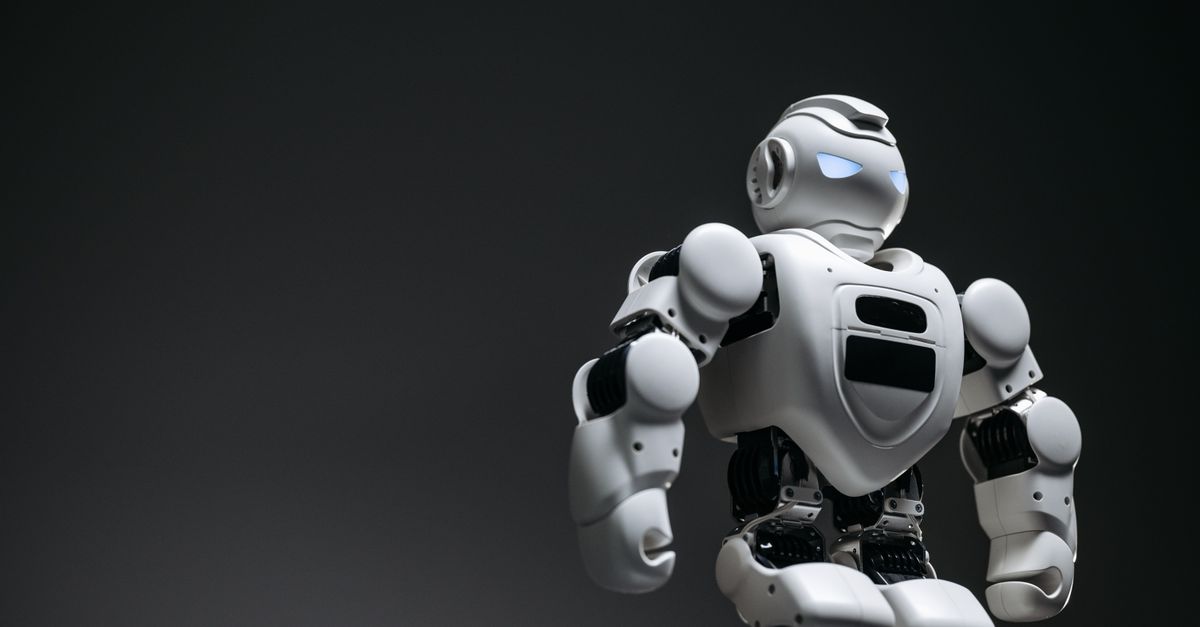
1X NEO: Soft-Bodied Humanoid Targets Household Automation with Limited Pilot Availability

1X NEO: Redefining Humanoid Architecture for Home Use
The 1X NEO represents a distinct divergence from the prevailing trend in the humanoid robotics sector. While competitors like Tesla’s Optimus or Figure AI focus on rigid-link mechanical structures mimicking industrial precision, 1X Technologies, based in Oslo, Norway, has bet on a soft-bodied approach. This design philosophy prioritizes safety, adaptability, and energy efficiency over raw torque. For RobotWale’s readers in India, understanding the distinction between engineering hype and shipping hardware is critical. As of late 2024, the NEO remains in the early commercialization phase, with deployments primarily restricted to pilot partners rather than general consumer availability.
Design Philosophy: Soft Robotics in a Hard World
The core differentiator of the 1X NEO is its physical architecture. Traditional humanoids utilize high-torque servo motors driving rigid metal links. This often results in a heavy, potentially dangerous machine if a control loop fails. 1X’s approach utilizes compliant actuators and soft materials in the limbs and torso. This is not merely a cosmetic choice; it fundamentally alters how the robot interacts with its environment.
Actuation and Materials
According to manufacturer specifications released during CES 2024 and subsequent factory demonstrations, the NEO employs a proprietary actuation system designed to mimic biological muscle behavior. The limbs feature a flexible exoskeleton structure that allows for natural compliance during contact. This reduces the risk of damage to fragile household items, a common point of failure in rigid humanoid prototypes. The soft materials also contribute to energy efficiency, as the system can store and release kinetic energy during movement cycles, extending the operational window.
Safety and Human Interaction
For a robot designed to operate in a household, safety is the primary constraint. The soft-bodied design reduces the kinetic energy transfer if the robot collides with a human. This allows the NEO to work in close proximity to people without requiring the complex safety cages often mandated for industrial cobots. The end-effectors are also designed for delicate manipulation, utilizing adaptive grippers capable of handling objects of varying shapes without pre-programmed force profiles.
Technical Specifications and Operational Limits
While 1X Technologies maintains a proprietary stance on some engineering details, public demonstrations and available spec sheets provide a baseline for understanding the hardware’s capabilities. It is important to note that these specifications are based on the production-ready prototype currently in the pilot phase, not a mass-market consumer unit.
Physical Dimensions and Payload
- Height: Approximately 1.6 meters (5’3”), designed to fit standard residential doorframes and kitchen cabinetry.
- Weight: Estimated between 30 to 40 kg. The lightweight frame is a direct result of the soft-body construction.
- Payload: Capable of carrying household items such as laundry baskets or cleaning supplies, estimated at 10-15 kg payload capacity.
Autonomy and Battery Life
The NEO is designed for high autonomy, capable of navigating complex environments using onboard perception systems. The battery life is a critical metric for household robots. Current demos suggest an operational window of approximately two hours per charge cycle. This aligns with the current reality of robotic vacuum cleaners, though it limits the NEO to short-duration tasks rather than full-day shifts without a recharging base station.
Perception and Navigation
The system relies on a combination of LiDAR and stereo vision cameras to map the environment. Unlike older robots that require pre-mapped zones, the NEO claims to support real-time mapping and obstacle avoidance. For Indian households, this feature must be validated against specific challenges such as uneven flooring, which is common in semi-urban and rural areas, as well as cluttered spaces.
Commercial Viability and Shipping Status
In the robotics industry, the gap between a working prototype and a shipping product is often the largest source of misinformation. For the 1X NEO, the grading of availability is strict.
Pilot Deployments vs. Mass Production
1X Technologies has confirmed shipping of units to select pilot partners. These deployments are focused on specific use cases, primarily cleaning and light logistics within controlled environments. There is no evidence of a direct-to-consumer sales channel as of the last verified update. This places the NEO in the “shipping hardware first” category only for B2B partners, not the general public.
Software and Maintenance
The hardware is supported by a cloud-based AI stack. This allows for over-the-air (OTA) updates to improve navigation and manipulation skills. However, this reliance on cloud connectivity introduces latency and dependency on internet infrastructure. In India, where network stability varies significantly across regions, this could impact the reliability of the autonomy features. Maintenance of soft actuators is also a consideration, as the wear and tear mechanisms differ from traditional metal gears.
The Indian Market Context
For Indian buyers, whether enterprises or high-net-worth individuals, the feasibility of the 1X NEO depends on import regulations, pricing, and use-case relevance.
Availability and Import
Currently, 1X Technologies does not list an official India distribution partner. This means any acquisition would likely be handled through a direct import process. For Indian enterprises, this involves navigating complex customs duties on high-tech hardware. The Indian government’s PLI (Production Linked Incentive) scheme currently focuses on domestic manufacturing of consumer electronics, not yet extending fully to advanced humanoid importation.
Estimated Pricing
While 1X Technologies has not published an official price for the NEO, we can derive an estimate based on similar hardware and R&D costs. Competing humanoid platforms typically range from $30,000 to $50,000 for early access units. Adding import duties, GST, and logistics for India, the landed cost estimate is approximately between INR 25 Lakhs and INR 40 Lakhs ($30k-$50k equivalent). This places the NEO out of reach for the average Indian household, positioning it strictly for commercial pilots or ultra-high-net-worth individuals.
Use Case Relevance
In India, the demand for household robotics often centers on security, cleaning, or security. The NEO’s focus on laundry and cleaning aligns with the growing demand for domestic help. However, the cost differential remains significant. If a humanoid robot can replace the need for one or two domestic staff members, the ROI calculation must account for the high upfront capital cost against the monthly salary savings over a 5-year period.
Limitations and Risk Factors
No robotic system is without compromise. The soft-body design of the NEO offers safety benefits but introduces specific limitations that must be understood by potential buyers.
- Dexterity vs. Strength: Soft actuators generally sacrifice raw torque for compliance. The NEO may struggle with heavy lifting tasks compared to rigid-link robots.
- Environmental Durability: Soft materials may degrade faster in harsh Indian climates, particularly in extreme heat or dust-heavy environments.
- Software Maturity: The navigation stack is still in the pilot phase. Reliability in dynamic, unstructured environments (like a busy Indian kitchen) has not yet been fully verified in public testing.
Conclusion
The 1X NEO represents a thoughtfully engineered approach to humanoid robotics, prioritizing safety and adaptability over brute force. For the Indian market, it offers a glimpse into the future of household automation but remains a niche product for now. The absence of an official India pricing structure and the reliance on pilot deployments indicate that this is not yet a mass-market solution.
For RobotWale readers, the recommendation is to monitor the software updates and pilot expansion before committing to any hardware acquisition. The shift from “shipping hardware” to “shipping value” will be the key indicator of whether the NEO can transition from a demo unit to a reliable household partner.
✓ Key takeaways
- •Hands-on view of 1X NEO: Soft-Bodied Humanoid Targets Household Automation with Limited Pilot Availability inside our 1X NEO library.
- •Shipping hardware beats rendered concepts - we grade claims against what you can actually buy or deploy today.
- •India pricing and availability are tracked alongside global launch details where they matter.
References
Related articles
More in 1X NEO →