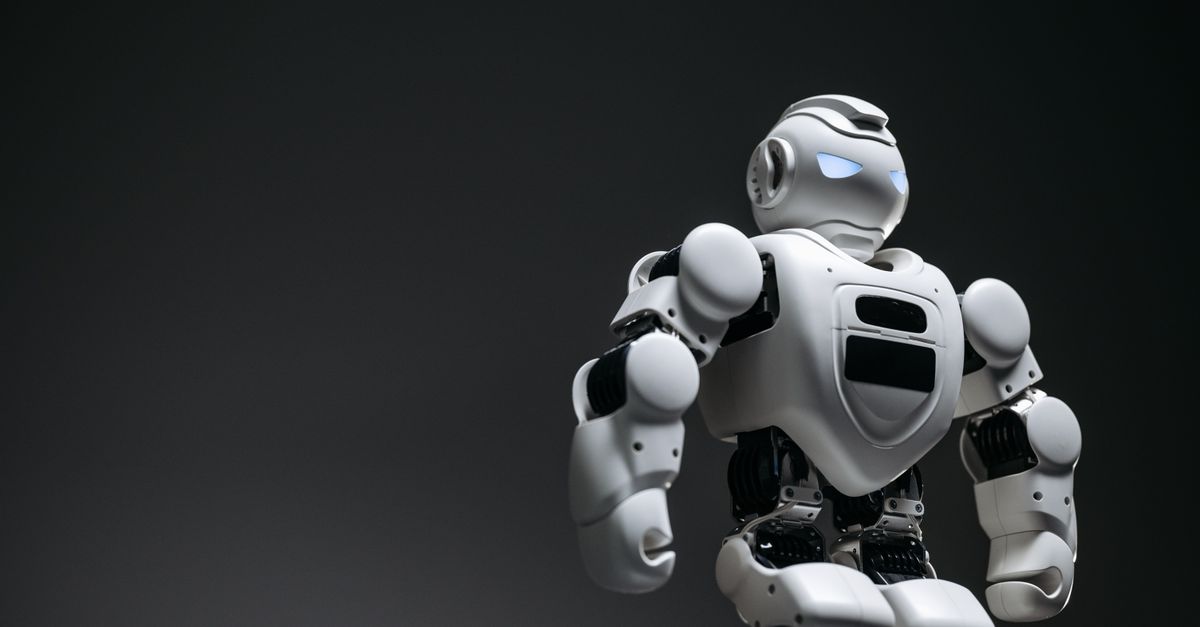
The Industrial Robot Old Guard: ABB, KUKA & FANUC in 2024
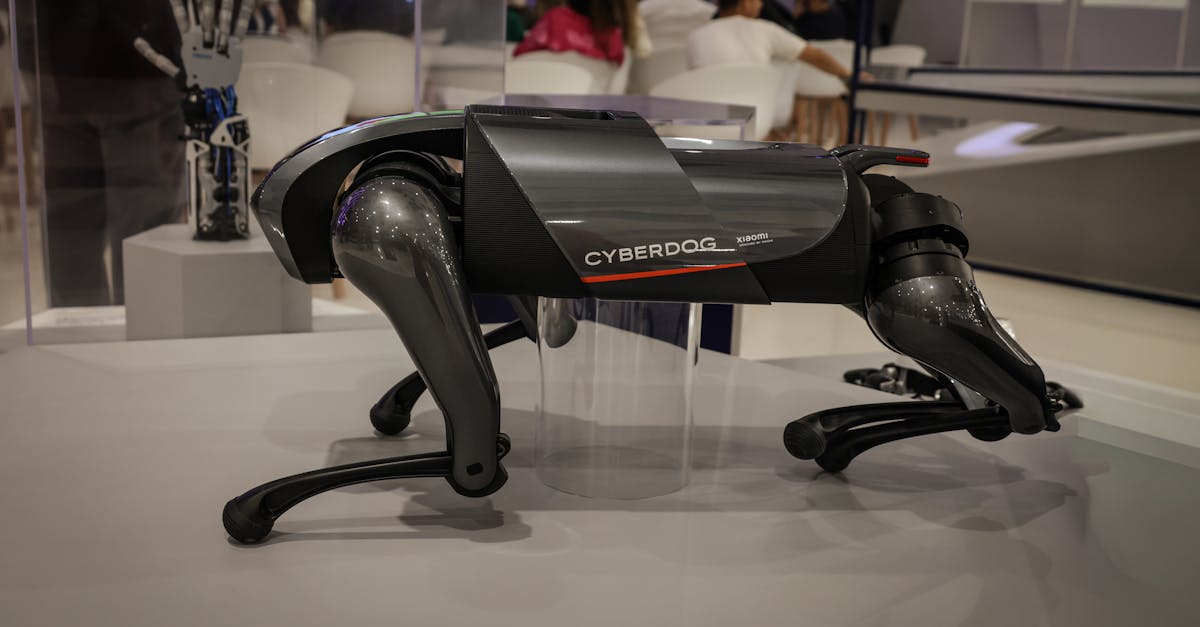
The Big Three: Defining the Industrial Robot Old Guard
ABB, KUKA, and FANUC represent the foundational tier of industrial automation. Their market position is not built on concept renders or speculative roadmaps, but on decades of shipped hardware, proven control architectures, and global service networks. These manufacturers dominate heavy manufacturing, automotive assembly, and precision electronics. Their current product lines are mature, with well-documented specifications, extensive integration libraries, and established safety certifications. When evaluating their market position, claims must be graded strictly by shipping hardware first, pilot deployments second, and product announcements last.
ABB Robotics: Precision and Packaging
ABB's industrial robot portfolio is anchored by the IRC5 and OmniCore control systems. The company ships the IRB 1200, IRB 2600, IRB 6700, and IRB 3600 as its primary shipping hardware. These units are widely deployed in welding, dispensing, and machine tending applications. The OmniCore architecture offers deterministic cycle times and integrated motion planning, which reduces programming overhead on the shop floor. ABB's 2D and 3D vision integration relies on its own software stack and compatible third-party cameras, rather than proprietary AI modules. Claims regarding autonomous path planning and generative programming remain in pilot or announcement stages across Indian automotive and FMCG facilities.
KUKA: Automotive Heritage and Flexibility
KUKA's control ecosystem centers on the KRC4 and KRC5 platforms. The company ships the KR QUANTEC, KR CYBERTECH, and KR AGILUS series as its core hardware. Historically dominant in automotive body-in-white lines, KUKA has expanded its shipping portfolio into logistics and general industry. The KR CYBERTECH line is engineered for cleanroom environments, while the QUANTEC series handles high-payload tasks up to 350 kg. KUKA's software stack emphasizes deterministic motion and proven kinematic libraries. AI-driven pick-and-place and adaptive gripping are actively piloted in Indian electronics and packaging plants, but these features are not yet standard in shipped units. The manufacturer continues to prioritize reliability and integration stability over software novelty.
FANUC: Reliability and Scale
FANUC's dominance stems from its vertical integration of controllers, servos, and CNC systems. The FOCAS architecture and RoboGuide simulation environment form the core of its deployment workflow. FANUC ships the CRX/iPanda collaborative series, the M-20iA series for heavy payloads, and the R-2000iC series for general industry. These robots are known for high uptime, minimal drift, and extensive CNC integration capabilities. FANUC's cloud connectivity, iR Studio, operates in deployment stages across Indian manufacturing clusters, enabling remote monitoring rather than fully autonomous decision-making. Generative AI for offline programming and digital twin synchronization are announced features, but they require additional licensing and do not replace standard teach-pendant workflows in shipped hardware.
Grading the Claims: Shipping Hardware, Pilots, and Announcements
RobotWale grades manufacturer claims using a strict hierarchy. Shipping hardware forms the baseline. All three manufacturers have mature, globally supported robot lines with documented payload ranges, repeatability specs, and IP ratings. These units are actively shipping and integrating into Indian production lines. Pilot deployments come next. Collaborative arms, vision-guided dispensing, and cloud orchestration tools are currently piloted in Indian automotive, pharma, and electronics facilities. These pilots demonstrate functional capability but lack long-term reliability data. Announcements rank last. Generative programming assistants, fully autonomous digital twins, and AI-driven predictive maintenance are announced by all three manufacturers. None have transitioned to standard shipped hardware. Buyers should treat these announcements as roadmap items, not deployment-ready features.
India Availability and Landed Cost Estimates
ABB India, KUKA India, and FANUC India operate authorized distribution networks with regional service centers in Maharashtra, Tamil Nadu, Karnataka, and Delhi-NCR. Pricing varies by controller configuration, safety packages, end-effectors, and integration scope. The following are landed cost estimates for core models, clearly flagged as approximate market rates:
- ABB IRB 1200 / equivalent: ₹18,00,000 to ₹22,00,000
- KUKA KR 16-2 / equivalent: ₹20,00,000 to ₹24,00,000
- FANUC CRX-10iA / equivalent: ₹22,00,000 to ₹26,00,000
- Heavy payload variants (≥350 kg): ₹35,00,000 to ₹55,00,000
These estimates include the robot arm, controller, basic teach pendant, and standard safety relay. They exclude integration labor, vision systems, custom end-effectors, and facility power upgrades. Lead times typically range from 8 to 14 weeks for standard configurations. Authorized distributors provide local commissioning, but third-party integrators handle most line design. Buyers should verify landed costs through official channel partners, as import duties, GST, and regional logistics fees affect final pricing.
Where They Stand Against New Entrants
New humanoid and flexible automation entrants focus on software flexibility, AI-driven navigation, and modular hardware. Legacy manufacturers prioritize uptime, service coverage, and deterministic control. The old guard ships hardware that has accumulated decades of field data. Their integration libraries, safety certifications, and replacement part networks are established. New entrants offer novelty but lack long-term deployment records. RobotWale grades claims by shipped units, not press releases. For high-volume manufacturing, legacy hardware remains the baseline. For experimental or low-volume applications, newer entrants may offer faster prototyping. The market will continue to segment along these lines.
References
- ABB Robotics Product Catalog: https://new.abb.com/products/robotics
- KUKA Industrial Robots Overview: https://www.kuka.com/en-in/products/robot-systems/industrial-robots
- FANUC Robotics Product Line: https://www.fanuc.co.jp/en/robot/catalog/index.html
- ABB OmniCore Controller Specifications: https://new.abb.com/products/robotics/omnicore
- KUKA KRC5 Control System Documentation: https://www.kuka.com/en-in/support/knowledge-base
- FANUC iR Studio Cloud Platform: https://www.fanuc.co.jp/en/robot/software/ir_studio.html
- India Industrial Robotics Market Report, NASSCOM & IAMAI: https://www.nasscom.in/knowledge-center/reports/industrial-robotics-india
- ABB India Distribution Network: https://new.abb.com/india
- KUKA India Operations: https://www.kuka.com/en-in/company/locations/india
- FANUC India Authorized Partners: https://www.fanuc.co.in/en/where-we-are
✓ Key takeaways
- •Hands-on view of The Industrial Robot Old Guard: ABB, KUKA & FANUC in 2024 inside our ABB, KUKA & Fanuc library.
- •Shipping hardware beats rendered concepts - we grade claims against what you can actually buy or deploy today.
- •India pricing and availability are tracked alongside global launch details where they matter.
References
- ABB Robotics Product Catalog
- KUKA Industrial Robots Overview
- FANUC Robotics Product Line
- ABB OmniCore Controller Specifications
- KUKA KRC5 Control System Documentation
- FANUC iR Studio Cloud Platform
- India Industrial Robotics Market Report, NASSCOM & IAMAI
- ABB India Distribution Network
- KUKA India Operations
- FANUC India Authorized Partners
Related articles
More in ABB, KUKA & Fanuc →