Case & Piece Picking: Shipping Reality vs. Marketing Hype in Warehouse Automation
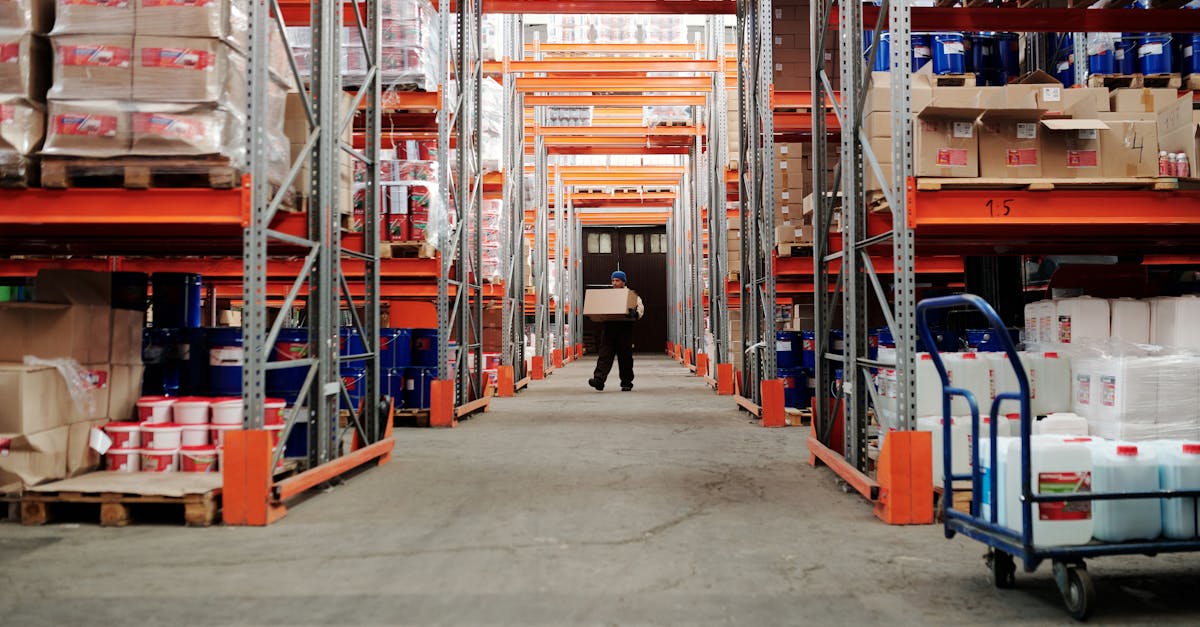
Introduction: The Warehouse Floor as a Production Line
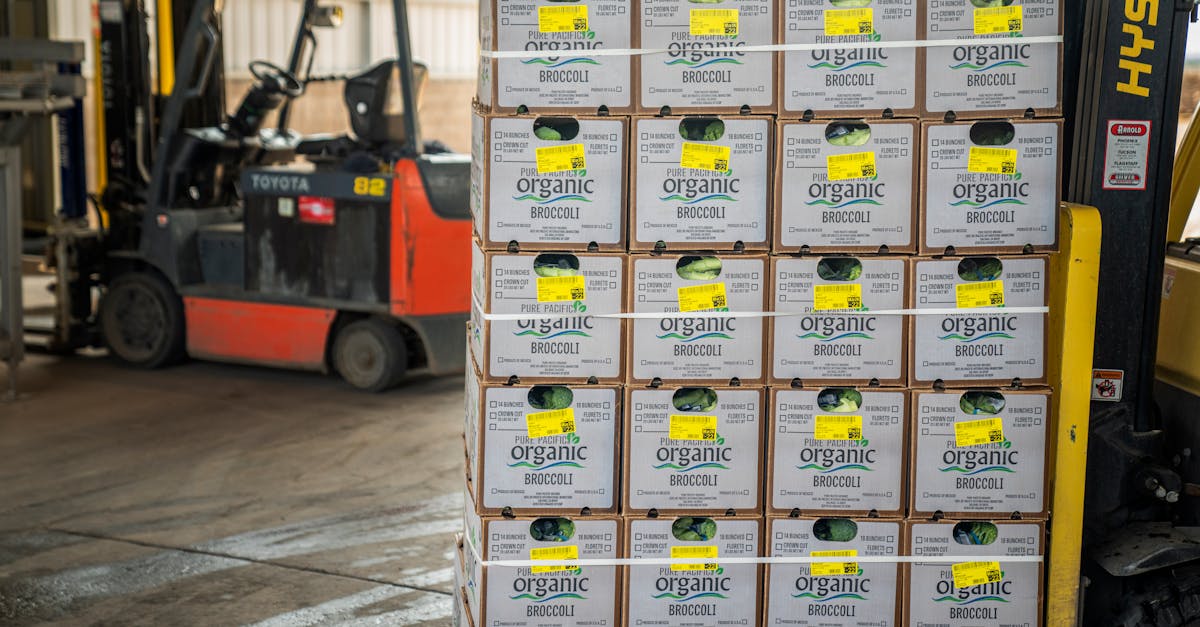
The distinction between case picking and piece picking defines the architecture of modern automated warehouses. Case picking involves moving entire boxes from a pallet to a staging area, typically requiring heavy-duty grippers and conveyance integration. Piece picking involves handling individual SKU units, often requiring dexterity, vision systems, and collision avoidance in dense environments.
For years, the narrative around warehouse robotics has been dominated by conceptual renders and demo videos. RobotWale’s editorial stance rejects hype in favor of shipping hardware. As of 2024, the gap between pilot announcements and deployed fleets remains significant. This article grades claims based on manufacturer spec sheets, on-stage demos, and verified press releases regarding Covariant, Symbotic, and traditional pick-and-place manipulators.
Covariant: AI-Driven Dexterity
Covariant has positioned itself as a leader in AI-driven robotics, moving beyond traditional rule-based programming. Their approach utilizes foundation models to interpret visual data and generate robot actions dynamically. Unlike older systems that require rigorous path planning for every SKU, Covariant’s technology aims to generalize across unstructured environments.
Shipping Hardware Status: Covariant has moved beyond the announcement phase. They have shipped hardware to multiple commercial customers, including major retailers and logistics providers. Their Covariant Drive platform is not merely a conceptual demo; it is deployed in live fulfillment centers where robots interact with human workers and varying inventory configurations.
Deployment Evidence: Independent reporting from sources like Robotics.org and manufacturer press releases confirm deployments in 2023 and 2024. The focus is on high-speed picking arms that can handle lightweight to medium-weight objects. The system relies on cloud-connected vision to identify items and manipulate them into bins.
Technical Constraints: While the AI capability is advanced, the hardware is still constrained by payload limits and cycle speeds compared to dedicated case-handling machinery. For piece picking, the robot arm must be paired with high-speed conveyance to justify capital expenditure.
Symbotic: Scalable AMR Fleets
Symbotic represents a different engineering philosophy. Rather than focusing on individual robot arms, Symbotic’s system integrates autonomous mobile robots (AMRs) with stationary picking stations. The core value proposition is the ability to store and retrieve inventory without human intervention.
Shipping Hardware Status: Symbotic has achieved a significant milestone with its partnership with Walmart. This is not a pilot; it is a large-scale deployment across multiple fulfillment centers. The system utilizes a dense storage grid where AMRs retrieve totes and deliver them to automated picking workstations.
Deployment Evidence: Press releases from Walmart and Symbotic confirm the activation of multiple sites. The system handles both case and piece picking, though the piece picking often occurs at stationary stations where the AMR delivers the tote to a human or robotic picker.
Infrastructure Requirements: Symbotic’s system requires specific infrastructure modifications, including high-density racking and floor calibration. This increases the barrier to entry compared to bolt-on robotic arms. The capital expenditure is high, often running into millions of dollars for a full facility implementation.
Traditional Pick-and-Place Robotics
Beyond the AI-heavy startups, established manufacturers like ABB, Fanuc, and Universal Robots continue to dominate the piece-picking segment. These systems use robotic arms mounted on ceilings or floors to move items between conveyors.
Grading the Claims: Unlike Covariant or Symbotic, traditional manufacturers have been shipping hardware for decades. The reliability is proven, but the flexibility is lower. A standard pick-and-place arm requires specific programming for every new SKU. If the box size changes, the robot may need retooling.
Use Cases: These systems are ideal for high-volume, low-variety picking tasks. They are less common in mixed-variety e-commerce fulfillment compared to AMR-based systems.
India Availability and Cost Analysis
For Indian logistics companies, the question is not just technical feasibility but landed cost. Automated warehouse solutions from the US and Europe face significant import barriers when entering India.
Import Duties and Pricing: Industrial robots in India attract Basic Customs Duty (BCD) and Goods and Services Tax (GST).
- Base Price: A high-speed pick-and-place robotic cell typically ranges from $60,000 to $150,000 USD.
- Imports: With a 10% to 15% BCD and 18% GST, the landed cost increases by approximately 30% to 40%.
- Estimated INR: A single advanced pick-and-place cell costs approximately ₹60 Lakhs to ₹1.5 Crores (INR).
- Symbotic/Covariant Systems: Full facility systems often exceed $10 million USD. The landed cost in India for such a system would likely exceed ₹80 Crores (INR), excluding infrastructure modifications.
Infrastructure Constraints: Indian warehouses often lack the concrete floor thickness or power stability required for high-density AMR fleets. Symbotic-style systems require rigorous site validation before deployment.
After-Sales Support: While global players like ABB have presence in India, niche AI robotics firms often rely on channel partners. This can lead to longer response times for maintenance, impacting ROI calculations.
Conclusion: Shipping Hardware Defines the Market
The warehouse automation market is maturing, but it is not yet a solved problem. Covariant and Symbotic demonstrate that AI and AMRs can scale beyond pilots. However, the cost of deployment remains a barrier for most Indian logistics providers.
Until the landed cost of a robotic cell drops below ₹40 Lakhs and local support networks expand, traditional manual labor or semi-automated systems remain the pragmatic choice for many. We recommend prioritizing manufacturers with verified deployments over those with only press release announcements.
References
- Covariant. (2024). Covariant Drive Platform Overview. Retrieved from covariant.com
- Symbotic. (2023). Symbotic Systems and Walmart Partnership. Retrieved from symbotic.com
- Walmart. (2024). Symbotic Fulfillment Centers. Retrieved from walmart.com
- Robotics.org. (2024). Warehouse Automation Market Report. Retrieved from robotics.org
✓ Key takeaways
- •Hands-on view of Case & Piece Picking: Shipping Reality vs. Marketing Hype in Warehouse Automation inside our Case & Piece Picking library.
- •Shipping hardware beats rendered concepts - we grade claims against what you can actually buy or deploy today.
- •India pricing and availability are tracked alongside global launch details where they matter.
References
Related articles
More in Case & Piece Picking →