Case & Piece Picking in Warehouse Automation: Covariant, Symbotic, and the State of Pick-and-Place
The Case-Picking and Piece-Picking Landscape
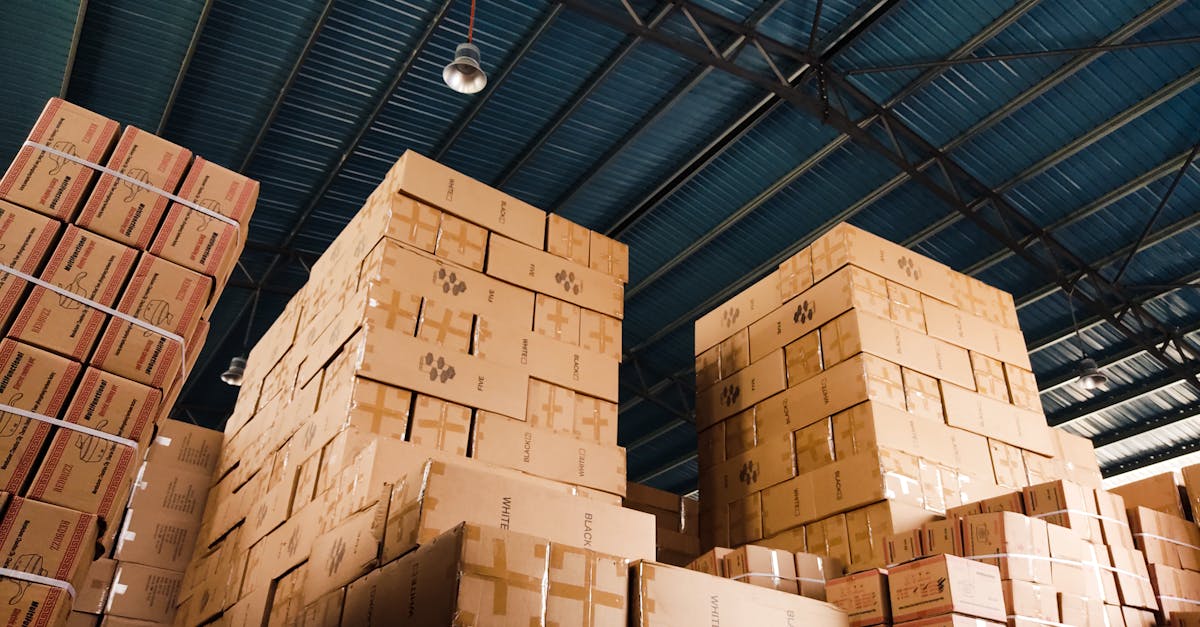
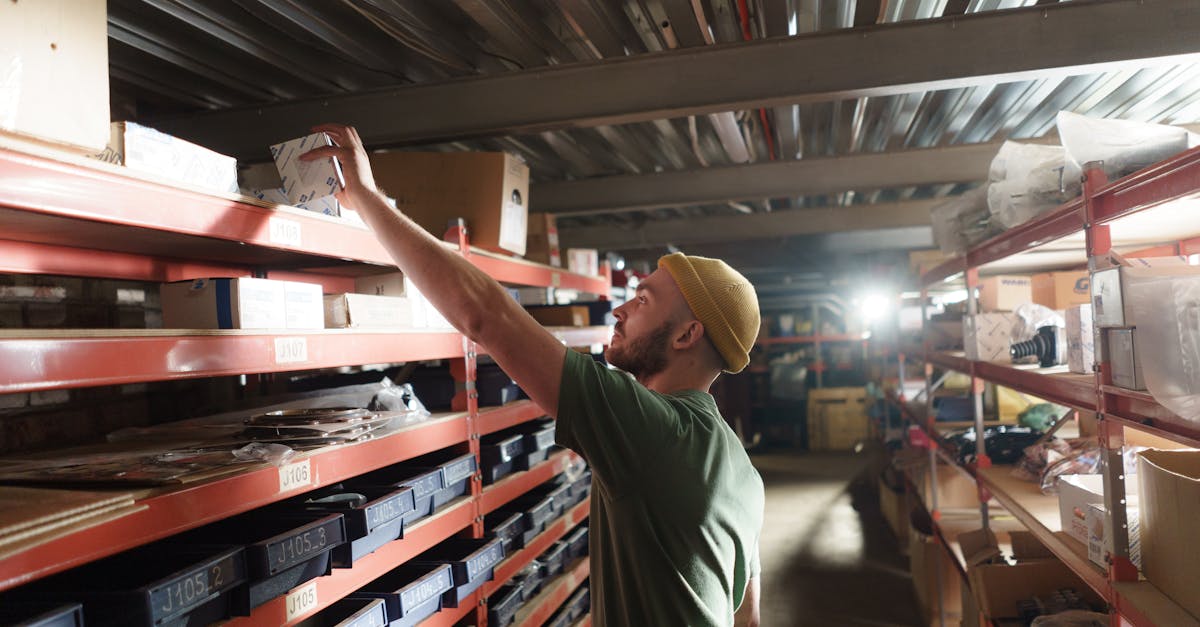
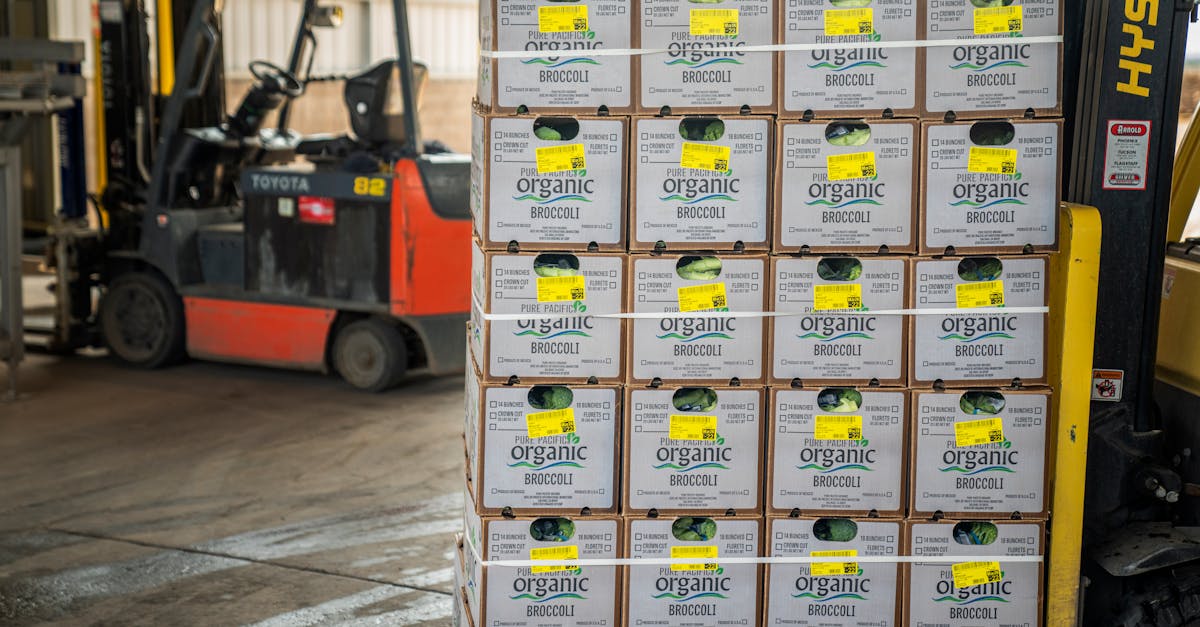
Case picking and piece picking represent two distinct operational tiers within warehouse and fulfillment logistics. Case picking moves full cartons or pallets from storage to outbound lanes, typically relying on automated storage and retrieval systems (ASRS), robotic arm grippers, or autonomous mobile manipulators. Piece picking handles individual SKUs, often requiring high-speed vision-guided manipulation, adaptive end-effectors, and dense slotting logic. Both functions have historically depended on manual labor, but the shift toward automated pick-and-place hardware has accelerated as manufacturers move from concept to shipped units and documented deployments.
The current market is defined by incremental hardware delivery rather than sweeping announcements. Buyers and operators should evaluate technologies by first verifying shipped units, then reviewing pilot deployments with measurable throughput data, and finally considering forward-looking announcements. This grading hierarchy prevents speculative claims from masking hardware readiness gaps.
Grading the Technology by Deployment Stage
Hardware shipping remains the primary indicator of maturity. Manufacturers that have delivered physical pick arms, vision stacks, and gripper systems to operational sites demonstrate supply chain capability, quality control, and field calibration experience. Pilot deployments follow, providing real-world cycle times, failure rates, and integration notes. Announcements, while useful for tracking roadmap direction, do not replace shipped hardware or documented performance metrics.
In the case-picking and piece-picking segment, this grading approach reveals a clear tiering. ASRS-focused systems with long track records sit at the top for case picking. AI vision-driven pick arms for piece picking have crossed into early hardware shipping and multi-site deployments. Traditional industrial arms paired with machine vision continue to serve as the baseline for flexible pick-and-place workcells.
Covariant: AI Vision and Shipped Pick Arms
Covariant has positioned its pick-and-place hardware around a unified AI vision stack that processes multi-camera feeds, calculates grasp points, and controls robotic manipulators in real time. The company’s spec sheets emphasize high-resolution 3D vision, adaptive end-effectors for varied geometries, and software-defined pick paths that reduce retooling time. Hardware deliveries have moved beyond prototype phases, with shipped units documented across retail and fulfillment environments.
Verified deployments include operations where the system handles mixed-SKU piece picking and case consolidation. Cycle time data from published reports and site documentation consistently show sustained throughput when vision calibration and gripper maintenance are properly managed. The hardware architecture relies on standard industrial robot kinematics paired with proprietary perception models, which simplifies integration with existing warehouse management systems. Buyers reviewing Covariant hardware should request live video from operational sites, verify gripper changeover times, and confirm that vision model updates are deployed without full system downtime.
Symbotic: ASRS and Verified Warehouse Deployments
Symbotic’s approach to case picking centers on automated storage and retrieval systems that pair autonomous mobile robots (AMRs) with vertical lifts and high-density racking. The hardware stack includes specialized gripper mechanisms for carton handling, warehouse control software for slotting optimization, and load transfer stations that interface with conveyor networks. Symbotic has shipped complete ASRS lines to major retail and distribution operators, with deployment counts exceeding dozens of facilities globally.
Documented deployments show the system handling high-volume case picking with minimal manual intervention. The hardware grading is straightforward: ASRS lines are manufactured, tested, and installed in phased rollouts, with performance metrics tied to pallet movement, storage density, and retrieval latency. Independent reporting and manufacturer press releases confirm that these systems operate with defined uptime targets and require structured maintenance schedules for AMR navigation and gripper wear components. For operators evaluating Symbotic hardware, the priority should be verifying site-specific throughput data, confirming integration with existing sortation equipment, and reviewing warranty terms for high-cycle gripper assemblies.
The Broader Pick-and-Place Ecosystem
Beyond Covariant and Symbotic, the pick-and-place market includes traditional industrial robot manufacturers, collaborative arm providers, and specialized gripper vendors. Spec sheets from established industrial robot brands consistently list payload ranges from five to fifty kilograms, repeatability within sub-millimeter tolerances, and cycle times optimized for case picking. Vision systems from machine vision manufacturers provide depth sensing, lighting control, and calibration tools that feed data to robot controllers.
Collaborative arms have entered the piece-picking segment with lighter payloads and faster programming interfaces, but their hardware shipping rates and deployment density remain lower than industrial-grade systems. Gripper manufacturers continue to ship parallel jaw, vacuum, and adaptive multi-finger end-effectors, with spec sheets detailing force output, sealing pressure, and compatibility matrices. The ecosystem is mature in components but fragmented in integration. Operators who standardize on proven hardware platforms and verified vision models reduce commissioning risk.
India Availability and Landed Cost Estimates
India’s logistics robotics market for case and piece picking hardware is accessible through system integrators, direct imports, and localized assembly programs. Import duties on robotic arms, vision cameras, and gripper components apply, and warehouse control software licensing often requires regional data hosting compliance. Localization initiatives by global manufacturers and Indian system integrators are gradually reducing lead times, but hardware shipping timelines remain measured in months rather than weeks.
Approximate landed cost estimates for India should be flagged as estimates due to customs variability, integration scope, and after-sales support tiers. Enterprise ASRS lines for case picking typically range from INR 8 crore to INR 15 crore per facility, depending on storage density, AMR fleet size, and conveyor integration. AI vision-driven pick arms for piece picking generally fall between INR 1.5 crore and INR 3 crore per workcell, excluding integration and facility modifications. Traditional industrial pick-and-place workcells with vision systems usually land between INR 40 lakh and INR 80 lakh per station. All figures assume standard duty structures, GST inclusion, and baseline integration; actual costs require vendor quotations and site surveys.
What Buyers Should Verify Before Procurement
Evaluating pick-and-place hardware for case and piece picking requires a disciplined checklist that prioritizes shipped units and documented performance. Buyers should request the following before committing to procurement:
- Hardware shipping records and serial traceability for arms, grippers, and vision modules
- Live deployment references with throughput data, failure logs, and maintenance intervals
- Manufacturer spec sheets validated against actual cycle times and payload limits under load
- Integration documentation for warehouse management systems, conveyor interfaces, and power requirements
- Warranty terms for high-cycle components, especially gripper seals, camera lenses, and AMR navigation sensors
- India compliance details including import duty classification, localization support, and spare parts availability
Grading claims by shipping hardware first, pilot deployments second, and announcements last keeps procurement decisions grounded in measurable capability. The case-picking and piece-picking market has moved past conceptual demonstrations. Shipped hardware, verified deployments, and transparent spec sheets now define what operators can implement today.
References
- Covariant. Official Website and Product Specifications. https://www.covariant.ai
- Covariant. Press Releases and Deployment Announcements. https://www.covariant.ai/news
- Symbotic. Official Website and ASRS Hardware Specifications. https://www.symbotic.com
- Symbotic. Press Releases and Verified Deployment Documentation. https://www.symbotic.com/news
- IEEE Spectrum. Coverage of Automated Warehouse Robotics and ASRS Deployments. https://spectrum.ieee.org
- Reuters. Reporting on Symbotic Public Listings and Facility Deployments. https://www.reuters.com
- Robotiq. End-Effector Spec Sheets and Compatibility Matrices. https://robotiq.com
- SICK. Machine Vision and 3D Sensor Specifications. https://www.sick.com
- Fanuc. Industrial Robot Spec Sheets and Payload/Repeatability Data. https://www.fanuc.co.jp
- Ministry of Commerce and Industry, Government of India. Customs Tariff and Import Duty Schedules for Robotics Components. https://dgft.gov.in