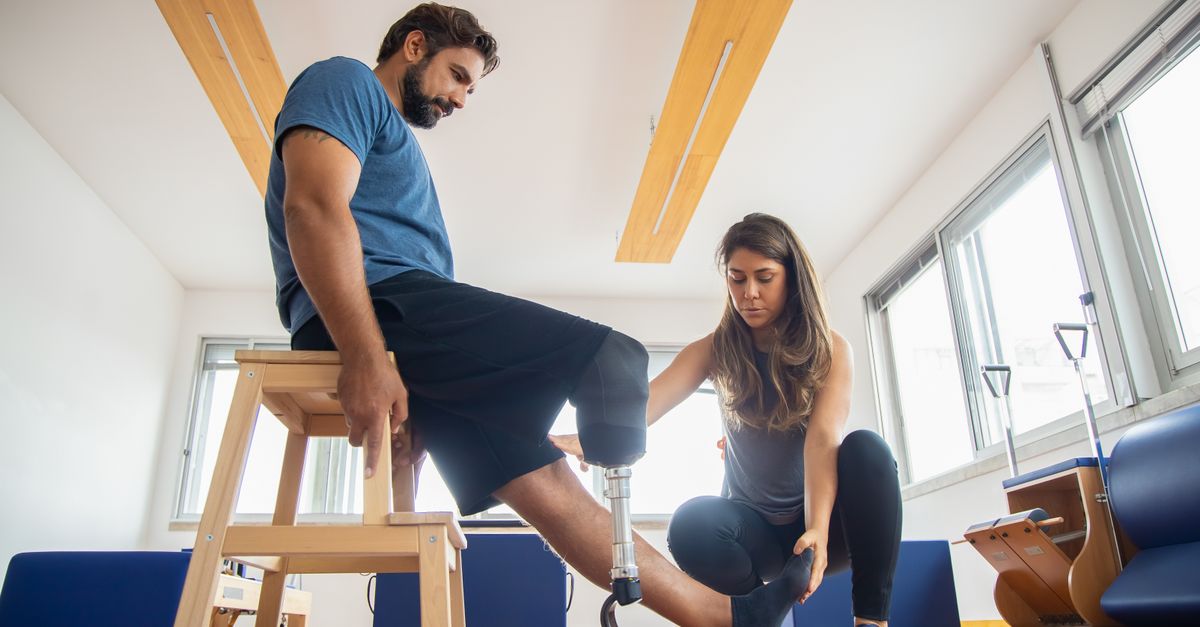
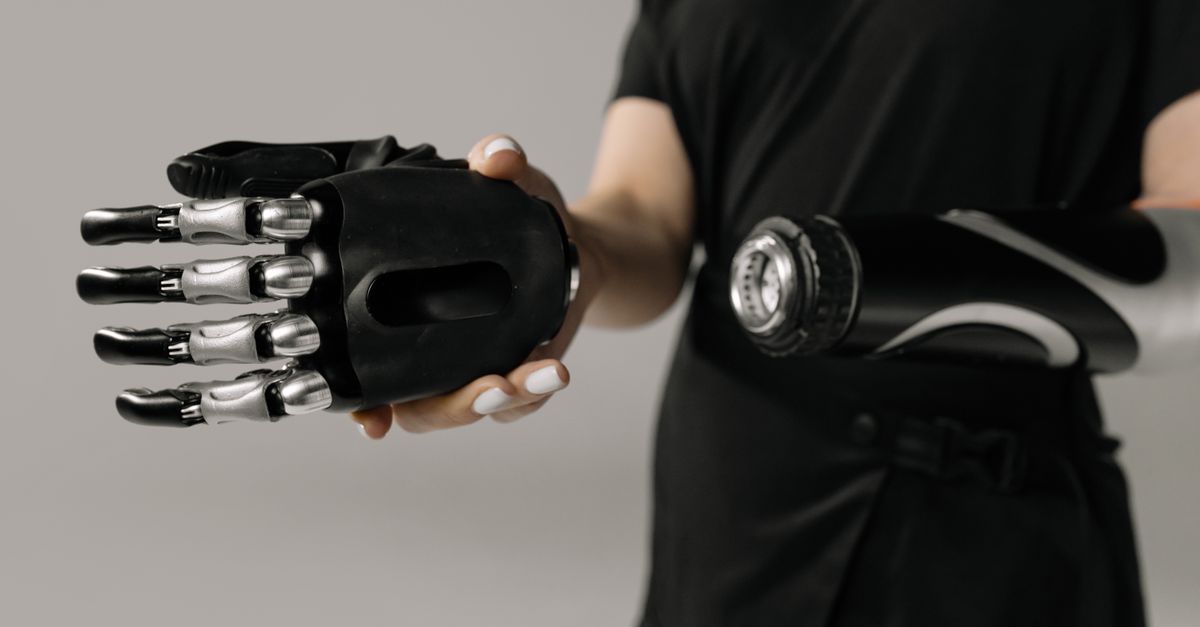
Clinical Reality of Rehab Exoskeletons: Shipping Hardware, Evidence, and India's Market

The Definition of Shipping Hardware in Rehab Robotics
In the broader robotics industry, the distinction between a conceptual prototype and shipping hardware is often blurred by press releases and investor pitches. For RobotWale, the definition of shipping hardware is strict: devices must be FDA-cleared or CE-marked, commercially available for purchase, and have documented case studies or clinical trials that validate their functional claims. Rehab exoskeletons sit in a high-stakes category where regulatory clearance does not guarantee clinical efficacy, and neither does hardware availability guarantee patient adoption.
The market is dominated by a few key players who have moved beyond the concept phase. We focus specifically on hardware that is currently being delivered to healthcare institutions, rather than devices in beta testing or those restricted to research labs. This article grades the sector based on three tiers: shipping hardware with regulatory clearance, pilot deployments in major hospitals, and announcements of future partnerships.
Key Players: ReWalk, Ekso, and HAL
Three manufacturers currently define the landscape for lower-limb exoskeletons used in rehabilitation. Each operates on different actuation architectures and regulatory pathways.
Ekso Bionics
Ekso Bionics has established a significant footprint in the United States and Europe. Their EksoNR and EksoGT systems are cleared by the US FDA for inpatient rehabilitation. The hardware utilizes a battery-operated hip mechanism with passive knee and ankle joints.
Shipping Status: Commercially available since 2014. Over 1,000 units have reportedly been shipped globally as of recent reporting.
Specs: 2.5-hour battery life, weight capacity of up to 150 kg, user height range of 150-195 cm. The system requires a dedicated power supply and a trained therapist for operation.
ReWalk Robotics
ReWalk Personal 6.0 is the primary candidate for this analysis. Unlike the Ekso which is often used in clinic settings, ReWalk Personal is designed for home use, though the clinical version (ReStore) is used in rehabilitation centers. The system uses a rigid frame with hip and knee motors.
Shipping Status: FDA 510(k) cleared. Available in select countries including the US, Canada, and Europe.
Specs: Weight of approximately 16.5 kg. Battery life supports up to 12,000 steps. Requires a smartphone app for control calibration.
Cyberdyne HAL
Cyberdyne Inc. of Japan focuses on the Hybrid Assistive Limb (HAL). While their Industrial HAL is prominent in logistics, the Medical HAL is cleared in Japan and the EU.
Shipping Status: Medical HAL is available in Japan and through specialized medical distributors in the West. It is less common in India compared to Western counterparts.
Specs: Uses sensors to detect bio-electric signals from the skin surface to predict movement intent. This offers a more natural gait cycle compared to rigid timing.
Clinical Evidence and Regulatory Status
The critical metric for this category is not how many units are sold, but how many patients show functional improvement. Clinical evidence remains mixed and device-specific.
Spinal Cord Injury (SCI)
Early studies suggested significant gains in walking speed for paraplegic patients. A 2015 study published in the Journal of NeuroEngineering and Rehabilitation noted that individuals with chronic SCI could walk using ReWalk. However, the long-term retention of motor function remains a subject of debate.
Evidence Grade: Moderate. While patients can stand and step, the energy expenditure is high. The hardware acts as a tool for mobility, not a cure for the underlying injury.
Stroke Rehabilitation
For stroke patients, the goal is neuroplasticity. Ekso Bionics conducted a study showing improved motor function in stroke survivors compared to standard physical therapy. The exoskeleton provides repetitive motion, which is crucial for retraining neural pathways.
Evidence Grade: High for acute inpatient settings. Pilot deployments in hospitals like the Spaulding Rehabilitation Hospital have shown positive metrics in the Fugl-Meyer Assessment.
Regulatory Pathways
Exoskeletons are generally classified as Class II medical devices in the US and Class B in India. This requires rigorous documentation of safety and performance. However, the lack of long-term follow-up data (beyond 12 months) limits the confidence in long-term efficacy claims.
The Indian Market Entry: Costs and Compliance
For Indian healthcare providers and patients, the barrier is not just clinical efficacy but economic feasibility and regulatory compliance. The importation of complex robotics falls under the Customs Act, 1962, and the Drugs and Cosmetics Act, 1940.
Import Duties and GST
Rehab exoskeletons are often classified under HS Code 9021 (Orthopaedic appliances). While basic instruments may have lower duties, high-value robotics attract a 10% Basic Customs Duty plus a 18% GST. When factoring in shipping and insurance for specialized equipment, the landed cost increases significantly.
Estimated Pricing in India
While manufacturer list prices are in USD, the landed cost in India is substantially higher.
- Ekso Bionics (EksoNR): Base hardware ~$120,000 USD. Landed cost in India: Approx ₹1.2 Crore to ₹1.4 Crore INR.
- ReWalk Personal: Base hardware ~$150,000 USD. Landed cost in India: Approx ₹1.5 Crore to ₹1.7 Crore INR.
- Cyberdyne HAL: Base hardware ~$200,000 USD. Landed cost in India: Approx ₹1.8 Crore to ₹2.2 Crore INR.
These estimates include customs, GST, and port handling. They do not include installation, training, or maintenance contracts.
Availability and Distributors
There is no direct mass-market availability in India. Devices are procured through specialized medical distributors or directly by large multi-specialty hospitals in Delhi, Mumbai, and Bangalore. The Indian Spinal Injuries Centre (ISIC) in Delhi has shown interest in the technology, but widespread adoption is limited to pilot programs.
For the average patient, the cost is prohibitive. Insurance coverage under Ayushman Bharat is currently non-existent for these devices. Private insurance may cover them under specific rehabilitation clauses, but pre-approval is mandatory.
Total Cost of Ownership and Maintenance
The initial purchase price is a fraction of the total cost of ownership. These devices require specialized maintenance every 6 to 12 months.
Maintenance and Downtime
Exoskeletons contain high-torque motors and sensors that require calibration. If a component fails, replacement parts often need to be shipped from the US or Japan. Downtime can range from weeks to months depending on supply chains.
Rehabilitation centers must employ specialized technicians. The cost of training staff to operate the device effectively is an additional hidden cost. A therapist requires 40+ hours of certification training.
Battery Lifecycle
Lithium-ion batteries degrade over time. Replacement batteries for Exo or ReWalk systems cost approximately $3,000 to $5,000 USD each. This recurring cost must be budgeted for over a 5-year period.
Conclusion: The Path to Commercial Viability
Rehab exoskeletons are no longer concept technology. ReWalk, Ekso, and Cyberdyne HAL are shipping hardware with regulatory clearance. However, their deployment in India remains niche due to high capital expenditure and maintenance requirements.
For the industry to scale, the pricing must drop to the ₹50 Lakh to ₹70 Lakh INR range. This would require local manufacturing or assembly of components under India's PLI (Production Linked Incentive) schemes for medical devices. Until then, these devices remain tools for elite rehabilitation centers rather than standard clinical equipment.
The evidence supports their use for acute recovery in stroke and SCI, but claims of "curing" paralysis remain unsubstantiated. For RobotWale readers, the recommendation is to prioritize clinical pilot deployments and verify insurance coverage before considering procurement.
References
1. Ekso Bionics. EksoNR Clinical Data.
2. ReWalk Robotics. ReWalk Personal 6.0 Specifications.
3. Cyberdyne Inc. HAL Medical System.
4. Journal of NeuroEngineering and Rehabilitation. Exoskeletons for Walking in SCI.
5. Indian Drug Controller General. Class II Medical Device Regulations.
✓ Key takeaways
- •Hands-on view of Clinical Reality of Rehab Exoskeletons: Shipping Hardware, Evidence, and India's Market inside our Rehab Exoskeletons library.
- •Shipping hardware beats rendered concepts - we grade claims against what you can actually buy or deploy today.
- •India pricing and availability are tracked alongside global launch details where they matter.
References
Related articles
More in Rehab Exoskeletons →