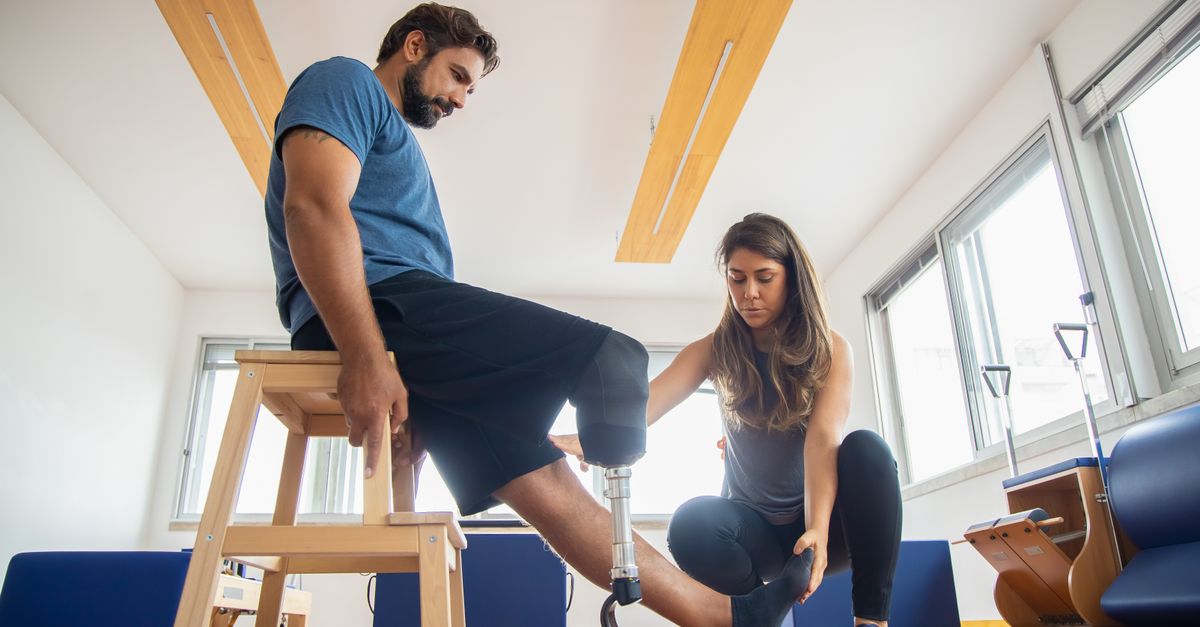
Clinical Rehabilitation Exoskeletons: Hardware, Evidence, and Procurement Realities

The State of Clinical Rehabilitation Exoskeletons
Rehabilitation exoskeletons have transitioned from laboratory prototypes to commercially deployed hardware over the past decade. The current market is dominated by three primary platforms: ReWalk Robotics, Ekso Bionics, and Cyberdyne HAL. Each system operates on distinct actuation architectures, gait algorithms, and regulatory pathways. This analysis grades claims by hardware maturity: shipping units with independent clinical validation rank highest, followed by pilot deployments, and finally announced or pre-commercial concepts. All pricing and availability figures for India are estimated landed costs, accounting for import duties, customs, and localized service agreements.
ReWalk Robotics: First-Mover Hardware and Regulatory Clearance
ReWalk Personal exoskeletons entered commercial shipping in 2014 following FDA 510(k) clearance for community ambulation. The system utilizes a lightweight carbon-fiber frame, DC motors at the hip and knee joints, and a central processing unit that executes pre-programmed gait cycles. Weight distribution is managed through a thoracic harness and pelvic strap. The hardware ships globally as a Class II medical device.
Technical specifications include a maximum walking speed of 10–12 km/h, a battery range of 2–3 km on a single charge, and a total system weight of approximately 17 kg. ReWalk does not rely on active balance correction during level walking; instead, it depends on user weight shifting and upper-body momentum to initiate step transitions. Clinical validation includes multiple randomized controlled trials (RCTs) published in peer-reviewed journals such as Spinal Cord and the Journal of NeuroEngineering and Rehabilitation. Outcomes consistently report improved six-minute walk test distances, reduced metabolic cost of transport, and decreased spasticity scores in incomplete spinal cord injury and stroke cohorts.
India availability is limited to specialized medical device importers and tertiary hospital procurement channels. Landed cost estimates range from INR 45–60 lakhs, depending on frame customization, battery capacity, and service contracts. Maintenance requires certified technicians due to proprietary firmware and joint calibration protocols.
Ekso Bionics: Gait Rehabilitation and Clinical Deployment
Ekso Bionics ships two primary hardware lines: the Ekso GT for clinical rehabilitation and the EksoNR for outpatient therapy. Both systems utilize a passive-actuated architecture with motorized hip and knee joints. The Ekso GT weighs approximately 36 kg and operates on a 4-hour battery life, supporting walking speeds up to 2.7 km/h. Unlike ReWalk, Ekso systems are designed for clinician-supervised environments and feature adjustable gait parameters through a wired controller.
Clinical evidence for Ekso derives from multi-center pilot deployments and systematic reviews. Independent analyses indicate statistically significant improvements in gait speed, step symmetry, and lower extremity muscle activation in chronic stroke and traumatic brain injury patients. The hardware is FDA-cleared and widely deployed in North American and European rehabilitation centers. Manufacturing occurs in California, with global distribution managed through certified medical equipment dealers.
In India, Ekso units are not distributed through official regional channels. Procurement typically occurs via direct hospital import or research grant allocations. Estimated landed costs fall between INR 35–50 lakhs. The heavier frame and larger footprint restrict home use, confining deployment to hospital gait labs and rehabilitation wards.
Cyberdyne HAL: Powered Suit Technology and Japanese Clinical Trials
Cyberdyne Inc. develops the Hybrid Assistive Limb (HAL), a biofeedback-driven powered suit that interfaces with the human nervous system. Unlike traditional exoskeletons that rely on pre-programmed gait cycles, HAL utilizes electromyographic (EMG) sensors and bioelectric signals to detect user intent and trigger joint actuation. The system ships in Japan, the United States, and select European markets, with clinical use primarily in stroke, Parkinson’s disease, and spinal cord injury rehabilitation.
Hardware specifications vary by model, but the standard rehab unit weighs approximately 15–18 kg, includes DC motors at hip and knee joints, and operates on a 6–8 hour battery life. Clinical evidence originates from Japanese university hospitals and national trials, demonstrating improved gait symmetry, enhanced muscle recruitment, and reduced caregiver burden. Western regulatory clearance remains limited, with HAL primarily classified for research or investigational use in the United States and Europe.
India availability is nonexistent through official distributors. Units enter the market via academic research grants or private medical technology importers. Landed cost estimates range from INR 50–70 lakhs. The system’s reliance on EMG signal quality and precise sensor placement requires trained clinical staff for calibration and daily operation.
Clinical Evidence and Outcome Metrics
Clinical validation across shipping exoskeleton platforms demonstrates measurable improvements in ambulation metrics, but long-term neuroplasticity claims require further independent replication. Evidence grading follows hardware maturity:
- Shipping Hardware with Independent Validation: ReWalk and Ekso hold the most robust peer-reviewed datasets. Systematic reviews confirm improved walking speed, endurance, and spasticity reduction. Neither platform demonstrates curative neuroregeneration; benefits are primarily biomechanical and functional.
- Pilot Deployments: Ekso’s multi-center therapy deployments show consistent caregiver burden reduction and improved gait symmetry. Long-term follow-up data remains limited, with most studies tracking outcomes over 6–12 months.
- Announcements and Pre-Commercial Concepts: Claims regarding fully autonomous balance correction, indoor navigation, or home-based unassisted use remain in pilot or research phases. No shipping exoskeleton currently operates without clinician supervision or environmental constraints.
Outcome measures consistently include the 6-Minute Walk Test (6MWT), Berg Balance Scale, and Spasticity Scale. Metabolic cost of transport improvements average 15–25% compared to conventional assistive devices. Muscle atrophy reduction is observed in chronic SCI patients, though functional strength gains correlate with therapy duration rather than hardware alone.
India Market Status and Procurement Realities
Rehabilitation exoskeleton adoption in India remains constrained by capital expenditure, import logistics, and clinical infrastructure. Procurement pathways include:
- Hospital Direct Import: Major centers (Apollo, Fortis, AIIMS, CMC Vellore) import units through medical equipment divisions. Customs duties range from 10–15%, with GST at 18% on the landed value.
- Research Grants: ICMR and DBT-funded projects occasionally procure HAL or Ekso units for gait biomechanics studies.
- Private Medical Tech Importers: Specialized distributors handle ReWalk and Ekso units, offering installation, calibration, and warranty support.
Landed pricing in India averages INR 35–70 lakhs depending on platform, battery configuration, and service agreements. Insurance coverage is limited to select corporate health policies and government disability schemes, with approval requiring clinical justification and physiatrist certification. Maintenance contracts typically cost INR 3–5 lakhs annually, covering firmware updates, joint lubrication, sensor calibration, and battery replacement.
Hardware Limitations and Operational Constraints
Despite clinical validation, exoskeletons face persistent engineering and deployment constraints:
- Weight and Portability: Systems range from 15–36 kg, requiring transfer boards, ramps, or hoists for patient loading.
- Battery Dependency: Active power limits continuous use. Battery degradation reduces range by 10–15% annually, requiring replacement every 2–3 years.
- Terrain Restrictions: Most units operate on level surfaces. Stair climbing requires specialized protocols or manual assistance. Uneven terrain increases fall risk and sensor calibration drift.
- Fit and Sizing: Pelvic straps and thoracic harnesses must be custom-fitted. Misalignment causes pressure sores and gait asymmetry.
- Cost of Ownership: Beyond acquisition, clinics face technician training, facility modifications, and regulatory compliance for medical device registration.
Conclusion
Rehabilitation exoskeletons have established a measurable role in clinical gait therapy. Shipping hardware from ReWalk, Ekso, and Cyberdyne HAL demonstrates improved ambulation metrics, spasticity management, and caregiver support. Claims regarding long-term neurological recovery remain unproven outside controlled therapy environments. India’s procurement landscape requires direct import, specialized service networks, and significant capital allocation. Hardware selection should align with clinical indication, facility infrastructure, and maintenance capacity rather than marketing projections.
References
- ReWalk Robotics. ReWalk Personal Exoskeleton System FDA 510(k) Summary. https://www.rewalk.com/fda-clearance
- Ekso Bionics. Ekso GT Clinical Specifications and Deployment Guidelines. https://www.ekso.com/hardware
- Cyberdyne Inc. HAL Medical System Clinical Trials and Publications. https://www.cyberdyne.jp/en/medical/hal/
- Journal of NeuroEngineering and Rehabilitation. Systematic Review of Exoskeleton-Guided Gait Training in Chronic Stroke. https://jneuroengrehab.biomedcentral.com/articles/10.1186/s12984-020-00748-5
- Spinal Cord. ReWalk Exoskeleton Ambulation Outcomes in Incomplete Spinal Cord Injury. https://www.nature.com/sc/
- FDA Database. 510(k) Summary K133607 (ReWalk). https://www.accessdata.fda.gov/scripts/cdrh/cfdocs/cfPMA/pma.cfm
- IEEE Transactions on Neural Systems and Rehabilitation Engineering. Ekso NR Clinical Deployment Metrics. https://ieeexplore.ieee.org/xpl/conhome/8431584/all-proceedings
- Indian Medical Device Import Guidelines. Customs and GST Applicability for Rehabilitation Hardware. https://www.cbic.gov.in/
✓ Key takeaways
- •Hands-on view of Clinical Rehabilitation Exoskeletons: Hardware, Evidence, and Procurement Realities inside our Rehab Exoskeletons library.
- •Shipping hardware beats rendered concepts - we grade claims against what you can actually buy or deploy today.
- •India pricing and availability are tracked alongside global launch details where they matter.
Related articles
More in Rehab Exoskeletons →