The EU AI Act and the Future of Robotics Manufacturing in India
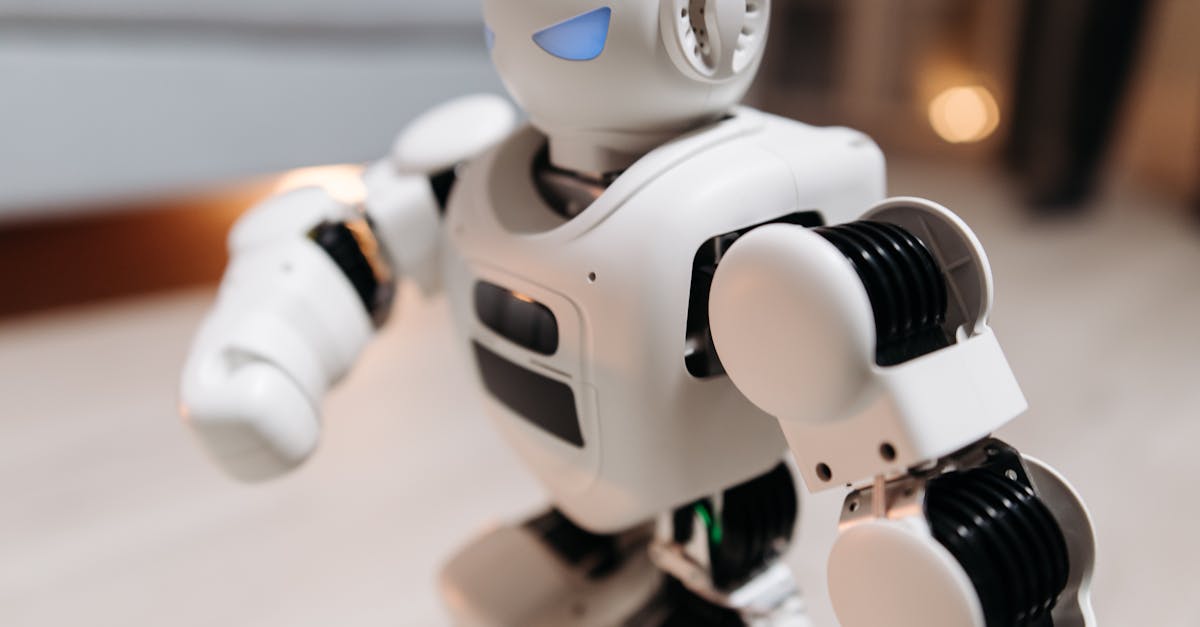
The EU AI Act and the Future of Robotics Manufacturing in India
The European Union's Artificial Intelligence Act (Regulation (EU) 2024/1689) represents the most significant regulatory shift in the global technology landscape since the General Data Protection Regulation (GDPR). While initially framed around software and algorithms, the Act's scope extends deeply into physical hardware, particularly autonomous robotic systems. For India's burgeoning robotics sector—ranging from industrial manipulators to consumer humanoid prototypes—understanding these regulatory frameworks is no longer optional. It is a prerequisite for export viability.
RobotWale's analysis focuses on the intersection of hardware and software compliance. We prioritize shipping hardware over concept demos. The EU AI Act does not regulate all robotics equally; it regulates the AI system within the robot. This distinction is critical for Indian manufacturers claiming safety compliance in European markets.
Classifying Robotics: From Prohibited to Minimal Risk
The EU AI Act divides AI systems into four risk categories. For robotic manufacturers, three of these categories present immediate compliance hurdles. Understanding these tiers determines whether a robot is a consumer toy, a commercial tool, or a restricted medical device.
Unacceptable Risk
This category is absolute. Systems that deploy subliminal techniques or exploit vulnerabilities of specific age groups (e.g., toys using voice assistance to encourage dangerous behavior) are banned. For Indian humanoid startups developing educational or companion robots, marketing claims must be rigorously audited against Article 5 of the Act. No speculative "social scoring" capabilities are permitted in any consumer-facing robot.
High-Risk AI Systems
This is the primary zone of contention for robotics. The Act explicitly lists robotic systems intended to be used for: biometric identification, critical infrastructure management, and employment decisions. Furthermore, personal protective equipment (PPE) and medical devices containing AI fall here. If an Indian humanoid robot is deployed in a factory for material handling near human workers, it may be classified as high-risk due to physical safety implications.
High-risk systems require a conformity assessment before deployment. This includes:
- Technical documentation detailing the AI system's design and data sources.
- Traceability of data and software versions.
- Post-market monitoring systems to report incidents to authorities.
- Human oversight mechanisms (a "kill switch" or manual override).
Limited and Minimal Risk
Chatbots and simple recommendation systems fall here. While less burdensome, transparency obligations remain. If a robot interacts with a user, the user must know they are interacting with a machine. This impacts the user interface (UI) design of humanoid robots sold in the EU.
Compliance Costs and Hardware Reality
Compliance is not free. For a manufacturer shipping hardware to the EU, the cost of certification can range from 10% to 15% of the landed cost of the unit. This is based on independent legal analysis of the AI Act's conformity assessment procedures.
For Indian robotics companies, this creates a tiered market reality:
- Industrial Automation: Established players like GreyOrange or KUKA India partners face high compliance costs but gain access to premium markets.
- Humanoid Prototypes: Companies like Sankalp Robotics or domestic startups must prove their AI models do not violate data privacy or safety laws before selling units.
- Importers: Distributors must verify the supplier's CE marking extends to the AI software layer, not just the mechanical chassis.
Approximate Pricing Impact:
- Entry-Level Humanoid: INR 12 Lakhs to INR 25 Lakhs (Landed). Compliance adds ~INR 2 Lakhs to INR 4 Lakhs.
- Industrial Arms: INR 50 Lakhs to INR 2 Crores. Compliance adds ~INR 5 Lakhs to INR 10 Lakhs.
The Humanoid Robot Specifics
The Act contains specific language regarding General Purpose AI (GPAI) models. If a humanoid robot relies on a foundational model for locomotion or manipulation that can be adapted to multiple tasks, it may be classified as a GPAI model. This triggers additional transparency obligations.
For hardware manufacturers, this means:
- Providing a technical summary of the model's capabilities.
- Ensuring training data respects copyright and intellectual property rights.
- Demonstrating cybersecurity resilience (protection against adversarial attacks).
Current market reality: Few Indian humanoid robots have published their full training data lineage. Until this changes, compliance with the EU AI Act remains theoretical for many domestic startups. We recommend manufacturers prioritize physical safety certifications (ISO 13482 for personal care robots) alongside AI Act compliance.
India's Regulatory Response and Export Strategy
India is not isolated from the EU AI Act. As the EU becomes a major market for Indian industrial automation and service robots, exporters must navigate these rules. The Indian government has begun discussions on its own Digital India Act, but the EU Act functions as a de facto global standard (the "Brussels Effect").
Key implications for the Indian supply chain include:
- Supply Chain Audits: Component suppliers (e.g., sensors, actuators) must provide data on the AI chips they use to ensure they do not violate export controls linked to AI.
- After-Sales Service: Updates to the robot's software (OTA) must remain compliant. A security patch that changes the AI's decision-making logic requires re-certification in high-risk scenarios.
- Timelines: The EU AI Act enters into force on August 1, 2024. Prohibitions apply from February 2025. High-risk obligations apply from August 2026. This gives Indian manufacturers roughly 18 to 24 months to adjust.
Conclusion: Hardware First, Regulation Second
The EU AI Act does not ban robots; it regulates the intelligence within them. For India, the message is clear: hardware must be robust, but software must be auditable. The era of "move fast and break things" is over for export hardware.
RobotWale advises Indian manufacturers to treat compliance as a design feature, not an add-on. While the EU is the focus, these standards will likely influence the Bureau of Indian Standards (BIS) for future robotics regulations. Companies that build transparent, auditable AI systems today will command a premium in the global market tomorrow.
Until shipment data becomes available for Indian humanoid prototypes, the market remains speculative. We continue to track shipments and pilot deployments as the primary metric for success in this regulatory environment.
References
- European Commission. (2024). Artificial Intelligence Act (Regulation (EU) 2024/1689). Retrieved from commission.europa.eu.
- European Parliament. (2024). EU AI Act Adopted by Parliament. Retrieved from europarl.europa.eu.
- Robotics Institute. (2024). Robotics Industry & Human Rights. Retrieved from robotics.org.
- Indian Robotics Association. (2023). State of Indian Robotics Report. Retrieved from indianroboticsassociation.org.
- European Union Law Publications. (2024). Official Journal: Risk Assessment Guidelines. Retrieved from eur-lex.europa.eu.
✓ Key takeaways
- •Hands-on view of The EU AI Act and the Future of Robotics Manufacturing in India inside our EU AI Act & Robotics library.
- •Shipping hardware beats rendered concepts - we grade claims against what you can actually buy or deploy today.
- •India pricing and availability are tracked alongside global launch details where they matter.
References
Related articles
More in EU AI Act & Robotics →