Figure AI: Evaluating the Humanoid Startup Backed by OpenAI, Microsoft, and Nvidia

Executive Overview of Figure AI
Figure AI, the humanoid robotics startup co-founded by ex-Tesla executives, has rapidly climbed the hierarchy of industry recognition through strategic partnerships rather than traditional hardware sales. Headquartered in Redwood City, California, the company focuses on developing general-purpose humanoid robots capable of performing complex physical tasks in manufacturing environments. Unlike many competitors that prioritize consumer applications or speculative research, Figure AI has targeted industrial logistics and production lines, aligning its roadmap with B2B deployment realities.
The company’s profile is defined less by its standalone product catalog and more by its ecosystem. Key backers include OpenAI, Microsoft, and Nvidia. These partnerships suggest a reliance on established AI infrastructure for autonomy, cloud computing, and simulation. While the attention is high, the editorial assessment requires separating the technical demonstrations from mass-market readiness. As of late 2023 and early 2024, Figure AI has entered the pilot deployment phase with major automotive manufacturers.
Hardware Specifications and Figure 01
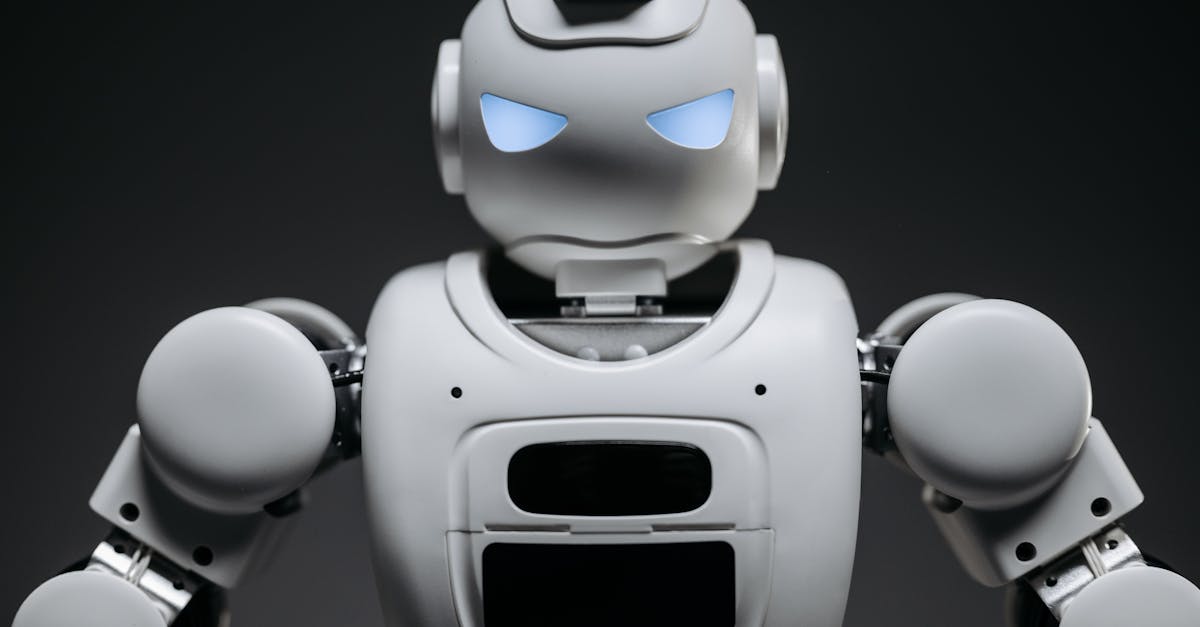
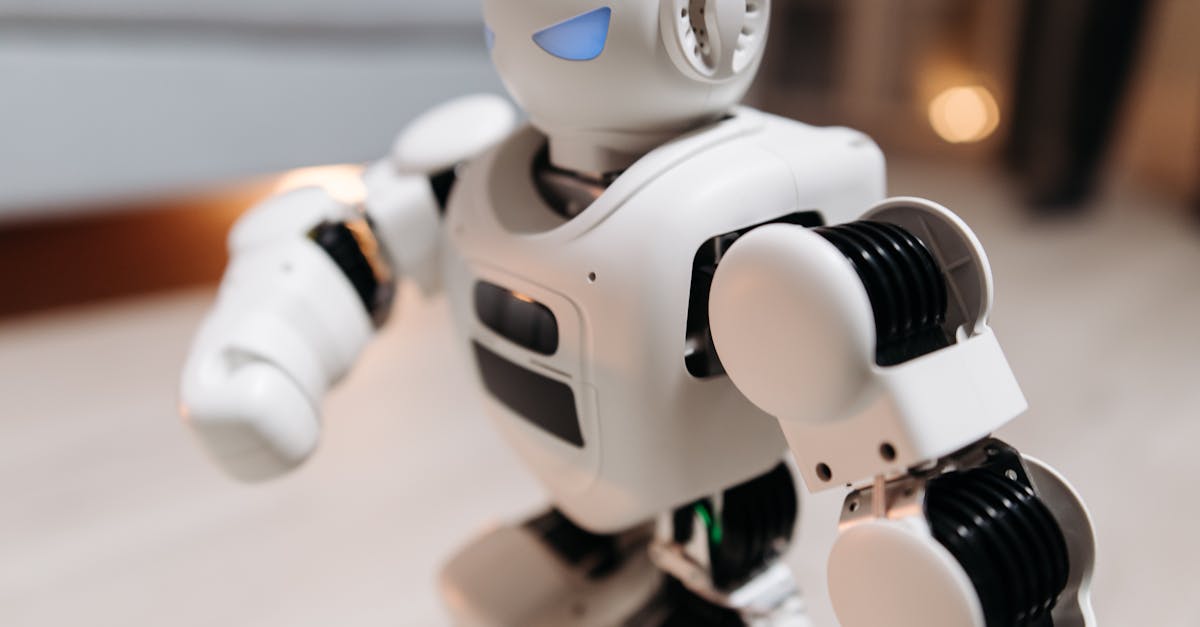
The flagship hardware unit, designated as the Figure 01 humanoid robot, serves as the physical vessel for the company’s AI models. Based on available specifications from manufacturer demos and industry reports, the Figure 01 is designed with a bipedal architecture optimized for factory floors. The robot utilizes a series of electric actuators for joint movement, allowing for human-like motion patterns required in assembly lines.
Key hardware characteristics reported in demonstrations include:
- Dexterity: The Figure 01 is equipped with hands capable of grasping and manipulating standard industrial components, including beverage cans and tooling.
- Locomotion: The unit features a balance system designed for navigating uneven surfaces, though it remains primarily tethered or monitored during initial high-risk tasks.
- Endurance: Battery life claims suggest operational windows ranging from 8 to 12 hours, contingent on the complexity of the physical tasks performed.
It is critical to note that detailed technical spec sheets regarding torque, payload capacity, and specific sensor arrays remain limited in public availability. The company prioritizes the demonstration of capability over the disclosure of proprietary component lists. However, the visible hardware in video evidence confirms a departure from the "rendered concept" phase into physical metal, motors, and sensors.
Strategic Partnerships and AI Stack
The strength of Figure AI lies in its integration with industry giants. The partnership with OpenAI is perhaps the most significant for the company’s autonomous capabilities. This collaboration focuses on the development of vision-language-action (VLA) models. These models allow the robot to interpret natural language instructions and translate them into physical actions without rigid coding for every scenario.
Microsoft provides the cloud infrastructure necessary for data processing and fleet management. This integration ensures that Figure AI can leverage Azure for massive computational tasks, including the simulation of robot movements before deployment. The relationship suggests that Figure AI is positioning itself as a software-defined hardware platform, where the value lies in the AI model rather than the chassis alone.
Nvidia’s involvement is equally critical for the robotics industry. Nvidia offers the simulation environment (Isaac Sim) and the hardware acceleration required for training deep learning models. By utilizing Nvidia’s hardware stack, Figure AI can accelerate the training of its neural networks in simulated environments before testing on physical hardware. This reduces the risk of hardware damage during the developmental phase and aligns with the industry trend of "sim-to-real" transfer.
Deployment Reality: BMW Pilot Program
The most significant evidence of progress for Figure AI is its pilot deployment with BMW Group. Announced in early 2024, this partnership involves the testing of Figure 01 units within BMW’s manufacturing facilities. The goal is not mass replacement of labor but rather a targeted evaluation of the robot’s ability to perform repetitive tasks such as inspection or material handling.
According to press releases from BMW, the deployment is in a "pilot phase." This terminology indicates that the hardware is undergoing rigorous stress testing under industrial conditions. The presence of the robots on the factory floor represents a shift from laboratory demonstrations to operational environments. However, the scale of this deployment remains limited. It is not a mass rollout but rather a controlled experiment to validate safety, reliability, and efficiency.
This pilot deployment serves as the primary metric for Figure AI’s current standing. While the company has secured a partner of BMW’s caliber, the timeline for full-scale commercial integration is not yet defined. The operational data from this pilot will determine whether the company can scale production or pivot to other industrial segments.
India Market Viability and Pricing
For the Indian market, the availability of Figure AI hardware remains non-existent in the commercial channel. As of the current reporting period, there is no official distribution network established in India for Figure AI robots. The company’s focus is currently on the North American and European industrial sectors, specifically within the automotive and logistics industries.
Pricing for Figure AI units is not publicly disclosed in standard retail formats. However, based on comparable humanoid robotics hardware in the industrial sector, such as units from Boston Dynamics or Tesla, the landed cost is estimated to be significant. Estimates suggest a unit price ranging between $100,000 to $150,000 USD for the hardware alone, excluding software licensing and maintenance costs.
Converting this to INR, the approximate landed cost for a single Figure 01 unit would likely exceed INR 85 Lakhs to INR 1.2 Crores. This price point places the hardware out of reach for most Indian SMEs. Adoption in India would require a heavy investment in infrastructure, including high-speed internet for cloud integration and safety protocols for industrial environments.
Furthermore, the regulatory landscape in India regarding autonomous robotics in public or semi-public spaces is still evolving. There are no specific government mandates mandating the adoption of humanoid robots in manufacturing, nor are there clear tax incentives comparable to those in China or the US. Until a local partner or distributor is announced, Figure AI hardware will remain inaccessible to Indian buyers.
Conclusion: Grounded Expectations
Figure AI represents a sophisticated entry into the humanoid robotics sector, leveraging a powerhouse of technical partners to accelerate development. The company has successfully moved beyond the concept phase, evidenced by the Figure 01 hardware visible in BMW pilot programs. However, the transition from pilot to mass deployment is a significant hurdle that has not yet been overcome.
For investors and industry observers, the focus should remain on the deployment data rather than the partnership announcements. The ability to maintain safety and efficiency in a real-world factory setting is the only metric that matters for long-term viability. Until Figure AI can demonstrate a clear path to cost-effective scaling and broader availability, including in the Indian market, the company remains a high-potential, high-risk entity in the robotics sector.
While the backing from OpenAI and Nvidia suggests strong technical fundamentals, the hardware itself must prove its durability and economic value before it can be considered a viable commercial product for the broader global market.
References
- Figure AI Official Website: https://www.figure.ai
- BMW Group Press Release on Figure AI Partnership: https://www.bmwgroup.com/en/news/press/2024/press-release-figure-ai-bmw.html
- OpenAI Partnership Announcement: https://openai.com/blog/openai-partners-with-figure-ai
- Nvidia Robotics Platform Overview: https://www.nvidia.com/en-us/industries/robotics/
- TechCrunch Analysis on Figure AI Funding: https://techcrunch.com/2023/10/10/figure-ai-raises-200-million/
✓ Key takeaways
- •Hands-on view of Figure AI: Evaluating the Humanoid Startup Backed by OpenAI, Microsoft, and Nvidia inside our Figure AI library.
- •Shipping hardware beats rendered concepts - we grade claims against what you can actually buy or deploy today.
- •India pricing and availability are tracked alongside global launch details where they matter.
References
Related articles
More in Figure AI →