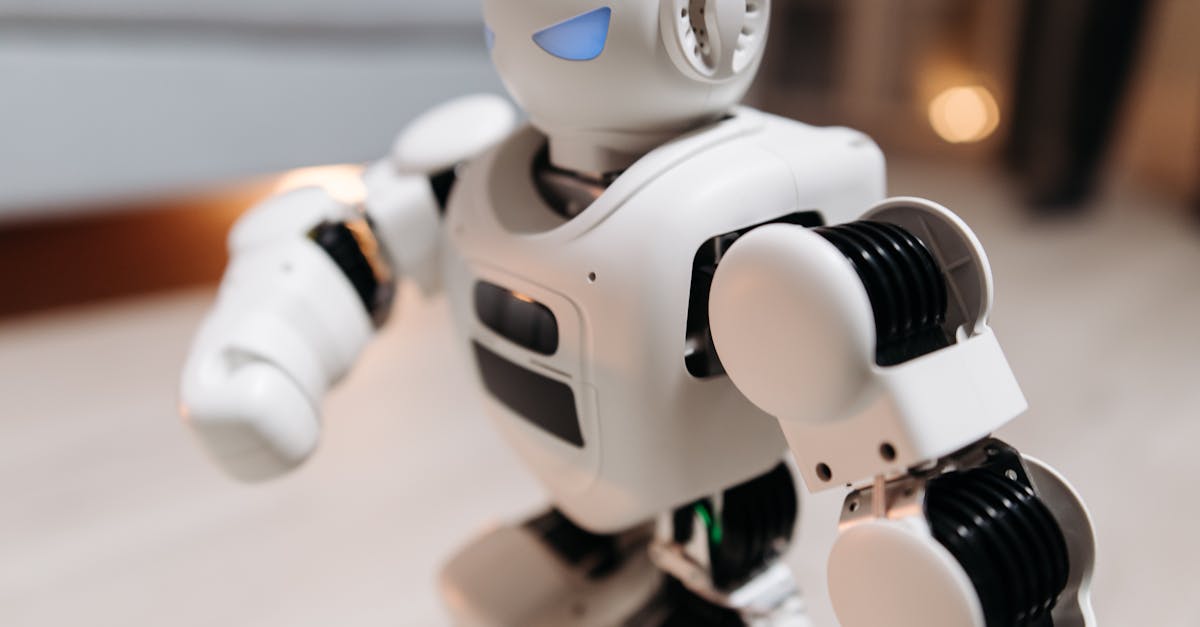
Figure AI: Backed by Giants, But Can the Hardware Deliver?

Overview: The Figure AI Ecosystem
Founded in 2022 by Bill Zhao and Brett Adcock, both former Tesla engineers, Figure AI has rapidly ascended the rankings of the humanoid robotics sector. Unlike many competitors that rely on academic research or software-only pivots, Figure AI has positioned itself as a full-stack manufacturer, claiming to build both the hardware and the artificial intelligence (AI) stack required to operate it. The company’s backing includes high-profile venture capital from OpenAI, Microsoft, and Nvidia, along with strategic partnerships with industrial heavyweights like BMW and Amazon.
RobotWale evaluates Figure AI not on its valuation or the allure of its investors, but on the tangible progress of its shipping hardware. While the narrative surrounding Figure AI often suggests imminent mass production, the reality involves a complex transition from prototype to pilot deployment. This report analyzes the available evidence regarding the Figure 01 and Figure 02 models, their integration with industrial partners, and the feasibility of their entry into the Indian market.
Funding and Corporate Structure
Figure AI’s financial backing has been aggressive. In October 2024, the company announced a $1.4 billion funding round, bringing its total valuation to approximately $10 billion. This followed a $323 million Series B round in August 2024. The investor list reads like a map of the current AI and cloud infrastructure landscape: OpenAI, Microsoft, Nvidia, and BMW.
This capital injection is intended to accelerate the production of the Figure 02 humanoid robot. However, in the robotics industry, capital expenditure often outpaces revenue generation. The primary concern for investors is the unit economics of manufacturing high-torque actuators and high-fidelity sensors at scale. While the funding validates the engineering vision, it does not guarantee immediate shipping volumes. The company remains a private entity, meaning detailed financial disclosures are limited to press releases and regulatory filings where applicable.
Hardware Analysis: Figure 01 and Figure 02
Figure AI’s hardware roadmap is divided into two primary generations, each representing a significant leap in mechanical capability.
Figure 01: The Proof of Concept
The Figure 01 was the company’s initial flagship. Publicly released video footage from the BMW plant in 2023 showed the unit performing tasks such as moving tires and placing them into a rack. While the video garnered significant attention, it is crucial to note the context of these demonstrations. The robot’s battery life and operational range were limited in early tests, often requiring manual repositioning or tethered power solutions in complex environments.
Key specifications for the Figure 01 included:
- Height: Approximately 175 cm (5’9”).
- Weight: Around 70 kg (154 lbs).
- Actuation: Electric motors designed for high torque in the joints, though specific torque values have not been fully disclosed in independent technical audits.
- Dexterity: Capable of manipulating objects, but with a learning curve for complex assembly tasks.
While the Figure 01 demonstrated that a humanoid could operate in a factory setting, it was widely categorized as a pilot deployment rather than a mass-produced unit. The distinction matters because a pilot unit often operates in a controlled environment, whereas a shipping unit must withstand vibration, dust, and continuous 24/7 operation.
Figure 02: The Next Generation
Announced in late 2024, the Figure 02 represents a substantial upgrade in dexterity and AI integration. The company claims the Figure 02 is capable of performing more complex tasks, including sorting and assembly with a higher degree of autonomy. The hardware focuses on reducing the reliance on pre-programmed scripts, aiming for a model where the robot can interpret natural language instructions in real-time.
Technical improvements noted include:
- Dual-Effector Hands: Enhanced grip strength and sensor feedback for handling fragile or irregular objects.
- Compute Stack: Integration with Nvidia’s Jetson platforms for on-board processing, reducing latency in decision-making.
- Lifespan: Claims of extended battery life and reduced maintenance intervals compared to the Figure 01.
It is important to note that Figure 02 is currently in the pilot phase. There is no public evidence of mass manufacturing lines running at scale. The company states it is working with partners to validate the hardware in real-world conditions before wider release.
Strategic Partnerships and Deployment Reality
The credibility of a robotics company is often judged by its commercial partners. Figure AI has secured agreements with two major players: BMW and Amazon. However, the nature of these agreements varies significantly.
BMW: Manufacturing Integration
BMW is the most visible partner for Figure AI. In 2023, BMW announced a partnership where the Figure 01 was deployed in the Spartanburg, South Carolina plant. The robot was tasked with inspecting tires and moving them within the assembly line. This is a critical milestone because it moves the robot from a research lab to an active factory floor.
However, the scale of this deployment remains opaque. Reports suggest the robot is being used for specific quality control tasks rather than replacing entire assembly lines. The partnership implies a long-term roadmap where Figure AI will supply a fleet of robots to BMW, but there is no public data on the number of units currently operational or the uptime metrics achieved. This places the partnership in the "pilot deployment" category rather than "mass shipping".
Amazon: Logistics and Warehousing
In October 2024, Figure AI announced a collaboration with Amazon to integrate its humanoid robots into the fulfillment center network. This partnership aligns with Amazon’s broader strategy of deploying general-purpose robots in logistics. The agreement suggests that Figure AI’s Figure 02 will be tested for tasks such as picking, packing, and sorting.
Amazon’s involvement brings a level of scrutiny that is rare in the robotics sector. Amazon has a history of being a demanding customer regarding reliability, cost, and uptime. If Figure AI can meet Amazon’s standards, it signals a mature product. However, this is currently an announcement stage. There is no evidence of Figure robots being deployed at scale in Amazon warehouses as of early 2025.
The AI Stack and Software Dependencies
A significant portion of Figure AI’s value proposition lies in its software. The company claims to be developing a general-purpose AI model trained specifically for robotics. This software is integrated with the hardware to allow for "zero-shot" learning, where the robot can understand new tasks without extensive reprogramming.
This is where the backing of OpenAI and Microsoft becomes relevant. If Figure AI is leveraging OpenAI’s large language models (LLMs) for task interpretation, the system’s reliability will depend on the cloud connectivity and the latency of the data transmission. In a factory setting, high latency can be a safety risk. The Figure 02’s on-board compute (Nvidia Jetson) suggests an attempt to mitigate this risk, but the dependence on external AI models remains a potential bottleneck.
India Market Availability and Pricing
For the Indian robotics market, Figure AI represents a high-end enterprise solution rather than a consumer product. Currently, there are no announcements regarding localized manufacturing in India, nor are there specific plans for a localized supply chain.
Import and Landed Cost
Humanoid robots of this caliber are typically sold on a B2B basis. Based on industry benchmarks for similar hardware (such as Tesla Optimus or Boston Dynamics’ Atlas), the unit price for a Figure AI robot is estimated to be in the range of $150,000 to $250,000 USD per unit.
When importing to India, the landed cost increases significantly due to customs duties, GST, and logistics. A conservative estimate for the landed cost in India would be:
- Base Unit Price: ~$200,000 USD (Approx. ₹1.65 Cr).
- Taxes and Duties: 10-15% on import, plus GST.
- Estimated Landed Cost: ₹1.8 Crore to ₹2.2 Crore per unit (subject to change).
This pricing places the robot out of reach for small and medium enterprises (SMEs) in India. The target market is currently limited to large-scale manufacturing plants (such as automotive or electronics assembly) that have the capital to invest in automation infrastructure. There is no evidence of a rental or leasing model being offered in India as of now.
Regulatory and Infrastructure Considerations
Deploying humanoid robots in India requires navigating a complex regulatory environment. There are currently no specific national standards for humanoid robot safety in public or semi-public spaces. Companies like Figure AI must adhere to ISO standards and local factory safety regulations. Additionally, the reliance on cloud-based AI requires robust 5G or fiber infrastructure, which may not be available in all Indian industrial zones.
Competitive Landscape
Figure AI operates in a crowded field. Its primary competitors include:
- Tesla Optimus: Backed by Elon Musk’s industrial ecosystem. Tesla has a manufacturing advantage due to its existing supply chain.
- Figure AI: Backed by software giants (OpenAI) and hardware specialists (Nvidia). Strong in AI integration.
- Apptronik: Focusing on utility robots for logistics and construction.
- Agility Robotics: Strong focus on bipedal walking mechanics.
Figure AI’s advantage lies in the combination of its software stack and the strategic backing of BMW. This provides a clear path to commercialization that some competitors lack. However, the risk remains high. The transition from a pilot plant to a mass-market product is the "valley of death" for robotics companies.
Conclusion: Cautious Optimism
Figure AI stands as one of the most well-funded and strategically connected humanoid robotics startups globally. The backing from OpenAI, Microsoft, and Nvidia suggests confidence in the long-term viability of the technology. The partnerships with BMW and Amazon provide a real-world testing ground that validates the hardware beyond the lab.
However, from a hardware-first perspective, the company is still in the pilot deployment phase. The Figure 01 has been demonstrated in a factory, and the Figure 02 is in development for similar use cases. Mass shipping has not yet been confirmed.
For the Indian market, Figure AI is not currently a viable purchase option due to high landed costs and the lack of a localized support network. It remains a company to watch for enterprise procurement officers in the automotive and logistics sectors. As the company moves from pilot deployments to commercial shipping, the focus should shift from funding announcements to unit economics and uptime metrics.
References
- Figure AI Official Website: figure.ai
- Bayerische Motoren Werke AG (BMW) Press Release: BMW Group and Figure AI Partner to Develop Humanoid Robots for Manufacturing
- TechCrunch: Figure AI Raises $1.4 Billion in Series C Funding
- Reuters Business: Amazon and Figure AI announce partnership for humanoid robots
- Crunchbase: Figure AI Funding History
✓ Key takeaways
- •Hands-on view of Figure AI: Backed by Giants, But Can the Hardware Deliver inside our Figure AI library.
- •Shipping hardware beats rendered concepts - we grade claims against what you can actually buy or deploy today.
- •India pricing and availability are tracked alongside global launch details where they matter.
References
Related articles
More in Figure AI →