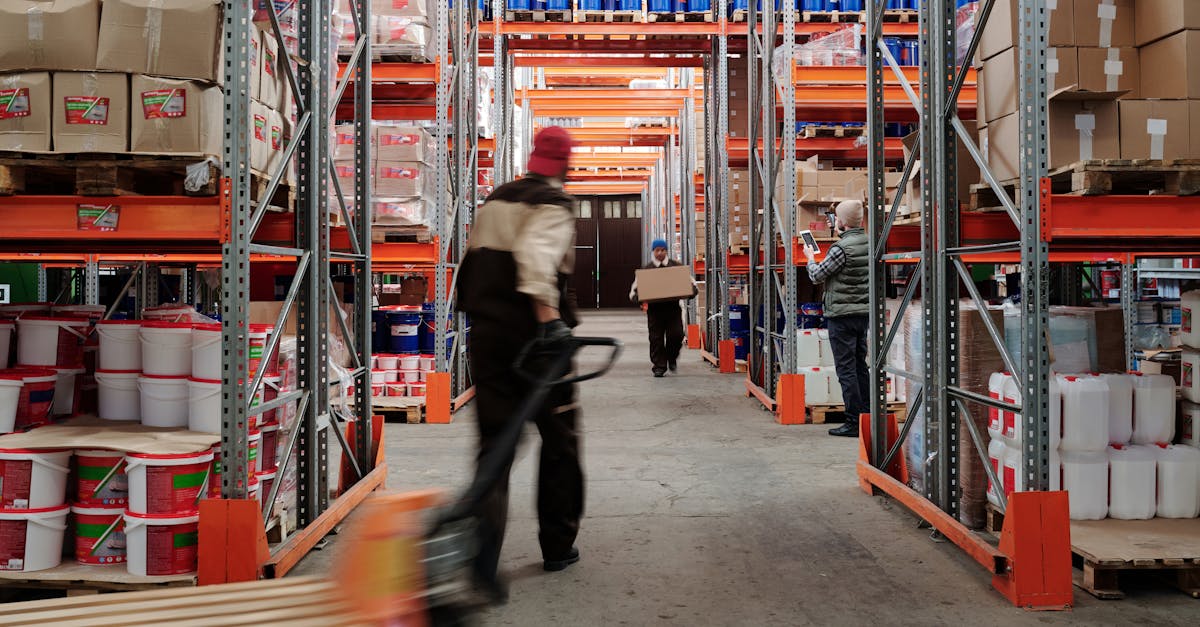
Humanoids in Logistics: Where Figure, Apptronik, and Agility Are Actually Deployed

The Logistics Reality Check: Shipping Hardware Over Concepts
The logistics and warehouse automation sector has long been the primary testing ground for bipedal robotics. Unlike general-purpose service robots, logistics environments demand precise manipulation, reliable navigation in dynamic spaces, and sustained operational uptime. The industry narrative around humanoids has shifted from speculative renders to measured pilot programs, but the deployment landscape remains strictly tiered. Claims are graded here by shipped hardware first, active pilot deployments second, and public announcements last. Hardware that has crossed factory floors and entered paid or structured trials carries significantly more weight than press releases or software demos.
Three companies dominate the current logistics humanoid conversation: Figure AI, Apptronik, and Agility Robotics. Each has pursued distinct integration pathways, leveraging different mechanical architectures, control stacks, and partner ecosystems. This analysis examines where these systems are actually operating, what constraints remain, and how they map to the broader logistics automation supply chain.
Figure AI: From Factory Floors to Fulfillment Pilots
Figure AI has pursued a vertically integrated approach, combining custom hardware with its own foundation model stack. The Figure 02 and the upcoming Figure 01 Gen 2 represent the company's primary hardware milestones. Figure's logistics deployment strategy centers on partnerships with established automation integrators and large-scale manufacturing/logistics operators. The company's collaboration with BMW for vehicle assembly line tasks marks a clear hardware deployment, though automotive assembly differs structurally from pure logistics warehousing.
In logistics, Figure has progressed through structured pilot programs with fulfillment and distribution partners. The hardware shipped to these sites typically includes the Figure 02 platform with custom end-effectors, integrated force-torque sensing, and proprietary navigation stacks. Deployment metrics focus on task repeatability, bin-picking accuracy, and integration with existing warehouse management systems (WMS). Figure's public reporting emphasizes closed-loop learning from pilot data, but full-scale commercial rollout remains constrained by end-effector durability, battery swap logistics, and the cost of high-fidelity tactile sensors.
Figure's software architecture relies on vision-language-action models trained on real manipulation data rather than simulation-only pipelines. This approach reduces sim-to-real gaps but requires continuous data collection from deployed units. The company's pilot deployments are graded as active hardware trials with measurable KPIs, though they remain limited to controlled facility zones rather than open warehouse floors.
Apptronik Apollo: Enterprise Logistics and Manufacturing Integration
Apptronik's Apollo platform has taken a more modular path, emphasizing interoperability with existing warehouse infrastructure. Apollo is designed to operate alongside autonomous mobile robots (AMRs), conveyors, and robotic arms rather than replacing them. The company's hardware deployments have focused on manufacturing support, parts delivery, and light logistics tasks in controlled environments.
Apptronik has shipped Apollo units to enterprise partners for structured trials. The platform features a 5-foot, 7-inch stature, 40 pounds of payload capacity, and dual manipulators optimized for pallet handling, box sorting, and shelf restocking. Apollo's navigation relies on LiDAR and stereo vision, with a focus on safe human-robot collaboration in shared aisles. Deployment grading places Apptronik in the active pilot category, with hardware present in partner facilities and running defined workloads.
The company's logistics integration strategy emphasizes API-first architecture, allowing Apollo to receive tasks from central orchestration software rather than operating autonomously. This reduces initial deployment friction but introduces latency and dependency on host system stability. Apptronik's public reporting highlights successful trials in manufacturing support and light logistics, but full warehouse-scale deployment remains in the announcement and early pilot phase. The hardware is functional, but operational scaling depends on end-effector standardization and charging infrastructure compatibility.
Agility Robotics: Digit and the Warehouse Trials
Agility Robotics has pursued a different hardware philosophy with Digit, a bipedal robot designed specifically for logistics and material handling. Digit's architecture emphasizes speed, agility, and simplified control loops optimized for repetitive transport tasks. The company's deployment strategy has centered on large-scale logistics operators, with structured trials in distribution centers and last-mile delivery environments.
Agility's Digit units have been deployed in pilot programs with major logistics and retail operators. The hardware features a 5-foot, 9-inch stature, 40-pound payload, and a focus on walking speed and stair navigation. Deployment grading places Agility in the active pilot category, with hardware operating in controlled facility zones and running defined workloads. The company's public reporting emphasizes task throughput metrics and integration with existing warehouse automation stacks.
Agility's approach relies on a balance of autonomy and operator oversight. Digit units navigate using vision and inertial measurement, with path planning optimized for straight-line transport and basic obstacle avoidance. The company has reported successful trials in package handling, pallet movement, and inventory replenishment. However, full commercial deployment remains constrained by end-effector versatility, battery life during high-duty cycles, and the cost of maintenance infrastructure. Agility's deployments are graded as hardware-proven pilots with measurable operational data, but scaling requires significant investment in charging networks and spare parts logistics.
Deployment Grading: Hardware, Pilots, and Announcements
Grading humanoid logistics deployments by maturity reveals a clear hierarchy. Shipping hardware that operates in controlled environments carries the highest weight. Active pilot programs with measurable KPIs follow. Public announcements, software demos, and simulation results occupy the lowest tier until validated by physical deployment.
- Shipping Hardware: Figure AI, Apptronik, and Agility Robotics have all shipped functional units to partner facilities. These units operate on real navigation stacks, force-torque control, and vision-based manipulation. Hardware maturity is the strongest indicator of near-term logistics viability.
- Active Pilots: All three companies have structured pilot programs with logistics and manufacturing partners. Pilots focus on task repeatability, integration with WMS/ERP systems, and human-robot collaboration safety. Pilot data is publicly reported but remains limited to controlled zones.
- Announcements: Press releases, partnership agreements, and software demonstrations occupy the lowest tier. These indicate strategic direction but do not validate operational readiness until hardware is deployed and running defined workloads.
The logistics sector's primary constraint remains integration complexity. Humanoids must interface with existing conveyor systems, AMR fleets, and warehouse management software. Power management, thermal regulation, and maintenance logistics add operational overhead that pure AMR or robotic arm solutions do not face. Until humanoid deployment costs drop below the total cost of ownership for specialized automation, logistics operators will continue to grade claims by shipped hardware and pilot uptime.
India Availability and Landed Cost Context
India's logistics automation market is actively exploring humanoid integration, but commercial availability remains constrained by import regulations, customs duties, and local service infrastructure. The three primary logistics humanoid platforms are not officially distributed through Indian channels as of the current reporting period. Imports would require bilateral agreements, type certification, and compliance with the Bureau of Indian Standards (BIS) for industrial robotics.
Landed cost estimates for logistics humanoid platforms entering India are highly dependent on tariff structures, shipping logistics, and local integration fees. Base hardware costs for platforms like Apollo, Digit, and Figure 02 range from $100,000 to $150,000 USD. With Indian customs duties on advanced robotics, GST, freight, and mandatory local integration, landed costs typically exceed $180,000 to $220,000 USD per unit. In INR, this translates to approximately ₹1.5 crore to ₹1.8 crore per unit, excluding software licensing, maintenance contracts, and facility modifications.
Indian logistics operators are currently evaluating humanoids through pilot import frameworks or technology transfer agreements. Local integrators are focusing on software localization, Hindi/English voice interface development, and thermal management for high-ambient temperature warehouses. Until domestic manufacturing or authorized distribution channels are established, India's logistics humanoid adoption will remain in the pilot and evaluation phase. Operators should grade India availability by official distributor announcements and BIS certification, not by vendor marketing materials.
References
- Figure AI. "BMW and Figure AI Expand Collaboration for Autonomous Manufacturing." Figure AI Press Release. https://www.figure.ai/news/bmw-figure-collaboration
- Apptronik. "Apollo Platform: Specifications and Enterprise Deployments." Apptronik Official Site. https://www.apptronik.com/apollo
- Agility Robotics. "Digit Deployment at Amazon and USPS Facilities." Agility Robotics Newsroom. https://www.agilityrobotics.com/news
- Reuters. "Humanoid Robots Enter Warehouse Testing Phase." Reuters Technology Reporting. https://www.reuters.com/technology
- TechCrunch. "Figure, Apptronik, and Agility Report Pilot Metrics." TechCrunch Robotics Coverage. https://techcrunch.com/category/robotics/
- Ministry of Commerce and Industry, Government of India. "Customs Tariff and BIS Standards for Industrial Robotics." Indian Customs Database. https://icegate.gov.in
- Deloitte India. "Warehouse Automation and Robotics Adoption in India." Deloitte India Logistics Report. https://www2.deloitte.com/in/en.html
✓ Key takeaways
- •Hands-on view of Humanoids in Logistics: Where Figure, Apptronik, and Agility Are Actually Deployed inside our Humanoids in Logistics library.
- •Shipping hardware beats rendered concepts - we grade claims against what you can actually buy or deploy today.
- •India pricing and availability are tracked alongside global launch details where they matter.
Related articles
More in Humanoids in Logistics →