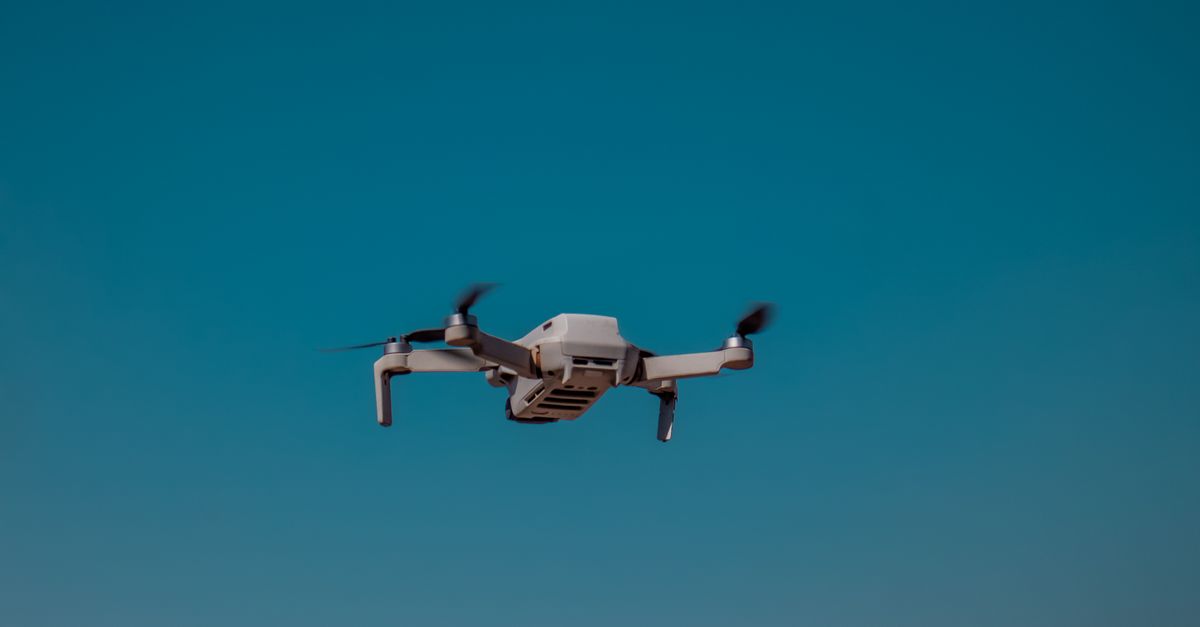
India’s Drone Regulatory Framework: Compliance, Deployment, and Market Reality
India’s Drone Regulatory Framework: Compliance, Deployment, and Market Reality
India’s drone ecosystem has transitioned from fragmented airspace restrictions to a structured, digitally enabled regulatory regime. The Directorate General of Civil Aviation (DGCA) now governs all civilian drone operations under the Drone Rules 2021, supported by the Digital Sky platform and the Ministry of Civil Aviation’s policy directives. This article evaluates the regulatory framework through the lens of actual deployed hardware, pilot program outcomes, and verifiable compliance requirements, rather than theoretical roadmaps or unverified announcements.
The regulatory approach prioritizes safety, data localization, and traceability. Operators and manufacturers must navigate type certification, remote pilot licensing, and geo-fencing protocols before deploying hardware. While policy announcements generate significant attention, the practical reality of drone adoption in India remains tied to shipping volumes, certified pilot pools, and documented pilot deployments in logistics, agriculture, surveying, and infrastructure inspection.
Evolution of the Regulatory Landscape
Pre-2021 Restrictions and Airspace Limitations
Before 2021, drone operations in India were subject to ad hoc permissions, No-Go zones, and manual clearance processes. Operators faced prolonged approval timelines, limited payload allowances, and unclear liability frameworks. The lack of a unified digital platform resulted in fragmented enforcement and inconsistent compliance standards across states. Hardware shipments were largely constrained to hobbyist segments or heavily regulated industrial applications requiring case-by-case ministry approvals.
Drone Rules 2021 and Digital Sky Platform
The Drone Rules 2021 introduced a standardized compliance architecture. Key provisions include:
- Mandatory registration on the Digital Sky platform for all drones above 250 grams
- Unique Identification Number (UIN) assignment for tracked operations
- Category-based operational permissions (Nano, Micro, Small, Medium, Large)
- Remote Pilot License (RPL) requirements for pilots operating above Nano and Micro categories
- Data localization mandates for certain commercial payloads
The Digital Sky platform digitized permission requests, type certification applications, and airspace mapping. Operators can now apply for flight permissions, track compliance status, and manage UIN renewals through a single interface. The system has reduced approval cycles from weeks to days for standard operations, though complex BVLOS (Beyond Visual Line of Sight) requests still require additional scrutiny.
Core Compliance Pathways for Operators and Manufacturers
Type Certification and Import Compliance
Manufacturers must obtain type certification from the DGCA or authorized testing agencies before commercial sale. The certification process evaluates airworthiness, payload stability, communication link reliability, and emergency return-to-home protocols. Imported drones require additional import compliance documentation, including BIS (Bureau of Indian Standards) certification for certain components and customs duty clearance under the Drone (Development and Regulation) framework.
Shipping hardware to India involves landed cost considerations. Domestic manufacturers benefit from Production Linked Incentive (PLI) scheme subsidies, while imported units face base customs duties, IGST, and compliance testing fees. Landed costs for certified commercial drones typically range from INR 45,000 to INR 3,50,000 depending on payload capacity, sensor suite, and flight time specifications.
Remote Pilot Licensing and Training Standards
Operators must employ DGCA-recognized remote pilot training organizations (RPTOs). Training covers airspace rules, emergency procedures, payload management, and regulatory documentation. Pilot certification is category-specific, and operators must maintain updated RPL records for each deployment. The DGCA has standardized exam formats and practical assessments, reducing variability in pilot competency across training centers.
Operational Constraints and Airspace Management
Green, Yellow, and Red Zone Mapping
The DGCA classifies airspace into three categories:
- Green Zones: Automatic flight permission granted for drones up to 50 meters AGL (Above Ground Level)
- Yellow Zones: Restricted areas requiring prior approval, typically near airports, military installations, or sensitive infrastructure
- Red Zones: Prohibited areas with no flight permissions granted under any circumstance
Geo-fencing firmware is mandatory for all commercial drones. Hardware must enforce altitude limits and prevent unauthorized entry into restricted zones. Manufacturers that ship non-compliant firmware face immediate grounding and potential import bans.
Payload Restrictions and BVLOS Operations
Payload weight limits vary by drone category. Nano drones are restricted to 250 grams, while Micro drones allow up to 2 kilograms. Medium and Large categories support heavy payloads but require rigorous certification and dedicated pilot teams. BVLOS operations remain heavily scrutinized and are typically limited to documented pilot deployments in agriculture, power line inspection, or logistics corridors. Most commercial BVLOS flights operate under temporary waivers tied to specific geographic coordinates and operational windows.
Cost of Compliance and Market Impact in India
Certification and Registration Fees
Compliance costs are structured and transparent. Type certification fees range from INR 1,50,000 to INR 5,00,000 depending on drone class and testing requirements. UIN registration costs approximately INR 500 per unit annually. RPL examination fees are set at INR 1,500 to INR 3,000 per candidate. These costs are fixed, published on the DGCA portal, and subject to periodic revision based on regulatory updates.
Hardware Pricing and Local Manufacturing Incentives
India’s drone market has shifted toward localized assembly and certified domestic manufacturing. The PLI scheme provides up to 20% incentive on incremental sales for approved manufacturers, reducing landed costs for domestic buyers. Imported drones face higher effective costs due to duties and compliance testing. For commercial operators, total cost of ownership includes hardware, pilot licensing, insurance, and maintenance. Landed pricing for certified agricultural drones typically falls between INR 1,20,000 and INR 4,00,000, while industrial inspection platforms range from INR 3,00,000 to INR 12,00,000.
Enforcement, Penalties, and Recent Amendments
The DGCA enforces compliance through random audits, flight log verification, and hardware inspections. Violations include operating without UIN, bypassing geo-fencing, or deploying uncertified payloads. Penalties range from INR 50,000 to INR 5,00,000 per violation, with repeat offenses triggering suspension of operating licenses and import restrictions. Recent amendments have tightened data localization requirements, mandating that flight telemetry and payload data be stored on Indian servers for commercial operations. Manufacturers must update firmware and documentation to meet these standards before new shipments clear customs.
Looking Ahead: Regulatory Trajectory and Industry Alignment
Regulatory focus is shifting toward standardized BVLOS frameworks, automated airspace management, and interoperable drone traffic coordination. Pilot deployments in agriculture, logistics, and infrastructure inspection continue to drive practical compliance refinements. Policy announcements regarding drone port infrastructure, urban air mobility corridors, and AI-assisted flight planning remain secondary to hardware certification, pilot pool expansion, and documented operational outcomes. Operators that prioritize certified hardware, licensed pilots, and transparent flight logs will navigate the regulatory environment more efficiently than those relying on unverified policy timelines.
References
- Directorate General of Civil Aviation (DGCA). Drone Rules 2021. https://dgca.gov.in
- Ministry of Civil Aviation, Government of India. Digital Sky Platform: Drone Registration and Permissions. https://digilocker.gov.in and https://digitalSky.dgca.gov.in
- Ministry of Civil Aviation. Drone (Development and Regulation) Rules. https://mca.gov.in
- ANI News. DGCA Updates Drone Compliance Guidelines for Commercial Operators. https://www.aninews.in
- Reuters. India’s Drone Policy Shifts Toward Structured Compliance. https://www.reuters.com
- Drone Industry Insights. India Drone Market Report: Regulatory Impact and Deployment Metrics. https://www.droneindustryinsights.com
- Department for Promotion of Industry and Internal Trade (DPIIT). Production Linked Incentive Scheme for Drones. https://dpiit.gov.in
- Bureau of Indian Standards (BIS). Drone Component Certification Guidelines. https://bis.gov.in
✓ Key takeaways
- •Hands-on view of India’s Drone Regulatory Framework: Compliance, Deployment, and Market Reality inside our DGCA Drone Rules library.
- •Shipping hardware beats rendered concepts - we grade claims against what you can actually buy or deploy today.
- •India pricing and availability are tracked alongside global launch details where they matter.
References
- DGCA Drone Rules 2021
- Ministry of Civil Aviation - Drone Development and Regulation
- Digital Sky Platform - Drone Registration
- ANI News - DGCA Compliance Updates
- Reuters - India Drone Policy Analysis
- Drone Industry Insights - India Market Report
- DPIIT - PLI Scheme for Drones
- BIS - Drone Component Certification
Related articles
More in DGCA Drone Rules →