Humanoids in Logistics: Deployment Reality, Hardware Grading, and India Market Access
Current State of Humanoid Deployment in Logistics
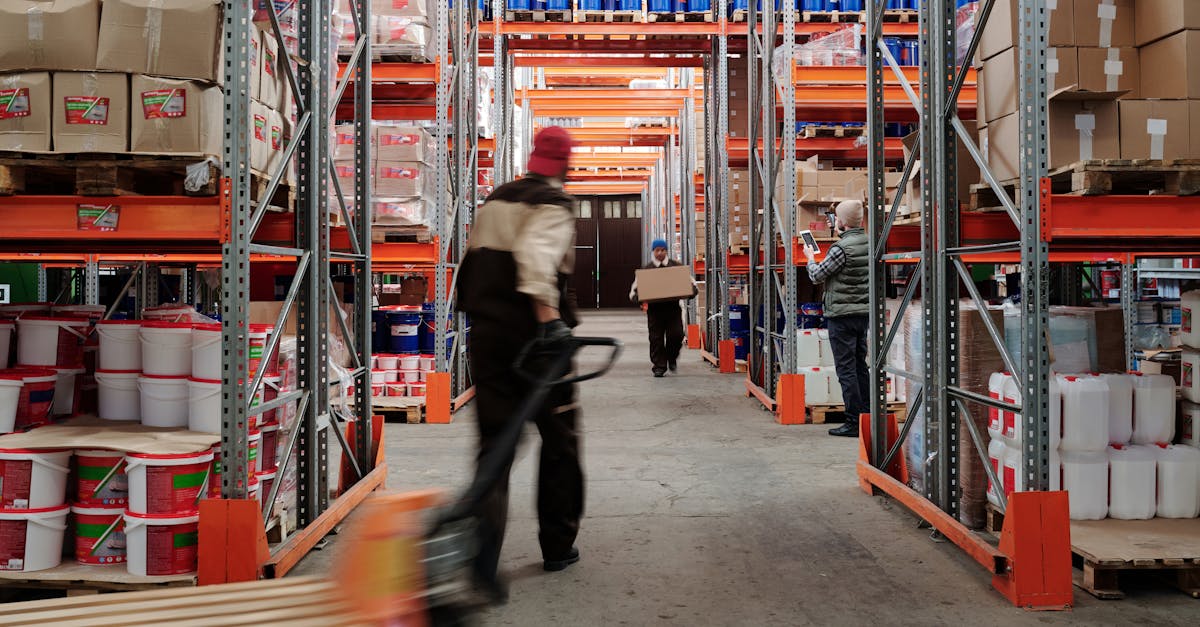
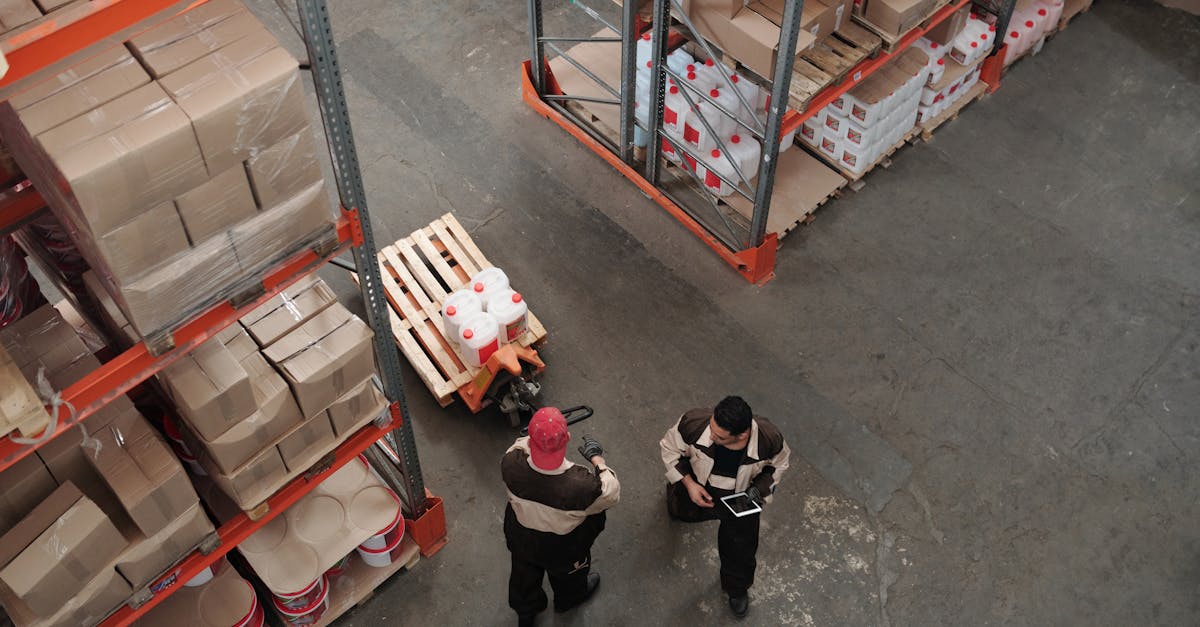
The logistics sector has become the primary proving ground for general-purpose humanoids, driven by labor shortages, rising e-commerce throughput, and the need for flexible material handling. Unlike earlier robotics waves that relied on fixed automation, humanoids are being tested for tasks that require navigating human-designed infrastructure: loading docks, narrow aisles, standard pallets, and handoff stations. The industry has moved past conceptual renders and into structured pilot programs, but commercial scale remains constrained by hardware durability, software generalization, and integration costs. This article grades claims by shipping hardware first, pilot deployments second, and announcements last, focusing on three manufacturers actively testing in logistics environments.
Figure Robotics: From Factory Pilots to Commercial Handoff
Figure has shipped its Figure 01 platform to multiple manufacturing and logistics partners for structured pilot testing. The most documented deployments include BMW Group Plant Spartanburg and Geely Zeekr, where the robot handles part transfer, bin picking, and palletizing. Figure 01 utilizes 45 degrees of freedom, custom actuators rated for continuous operation, and a vision-language-action model trained on synthetic and real-world data. The deployment metrics published by Figure and partner facilities indicate successful handoff cycles, but the robots operate in controlled zones with modified workstations and dedicated charging infrastructure. Figure 02 was announced with updated cameras, improved actuators, and a target price point, but it remains in the announcement phase with no public shipping dates for logistics customers. Grade: Pilot deployments > Announcements.
Apptronik Apollo: Logistics-Grade Hardware and Early Integrations
Apptronik has shipped Apollo v1.5 to enterprise customers for material handling and inventory tasks. Deployments include testing at Walmart distribution centers and Toyota facilities, where the robot performs loading, unloading, and pallet inspection. Apollo v1.5 features a 43-degree-of-freedom body, force-torque sensing in the wrists, and a modular end-effector system designed for standard warehouse fixtures. The hardware ships with a focus on reliability, including redundant sensors and a modular battery system that supports 6-8 hour shifts. Apptronik has published integration timelines that require warehouse teams to map navigation zones, install charging pads, and establish handoff protocols. The company targets a commercial price range of $250,000 to $350,000, though final pricing depends on software licensing and support tiers. Grade: Shipping hardware > Pilot deployments.
Agility Robotics: Digit in the Warehouse
Agility Robotics has deployed Digit at Amazon facilities in Kentucky and Washington for palletizing and inventory tracking. Digit operates on a bipedal locomotion system with high-torque actuators and a two-finger parallel gripper. The robot navigates standard warehouse racking, lifts pallets to designated heights, and communicates with warehouse management systems via API. Agility has published deployment videos showing Digit completing cycles in live environments, but the robot operates within geofenced areas and requires human oversight for anomaly handling. The company has not publicly disclosed pricing, but industry estimates place the hardware and integration package between $200,000 and $300,000. Grade: Pilot deployments > Shipping hardware (early production).
Hardware Grading and Deployment Reality
Logistics deployments follow a predictable maturity curve. Hardware shipping comes first, followed by pilot deployments in controlled zones, and finally commercial scale. The current landscape reflects the second stage. All three manufacturers have shipped units, but none have achieved unattended, full-shift logistics operations. Common constraints include:
- Navigation and Mapping: Humanoids require high-fidelity SLAM and semantic mapping to navigate aisles, avoid obstacles, and locate bins. Warehouse staff must manually calibrate zones and update maps as inventory layouts change.
- Power and Charging: Continuous operation demands rapid charging infrastructure. Most pilots use wireless or contact-based pads placed at fixed intervals, which limits deployment density.
- End-Effector Limitations: Parallel grippers and custom tooling struggle with irregular loads, shrink wrap, and variable pallet heights. Successful deployments rely on standardized SKUs and pre-positioned workstations.
- Software Generalization: Vision-language-action models reduce the need for manual coding, but edge cases still require human intervention. Cycle times remain slower than dedicated AMRs for high-throughput tasks.
India Availability and Landed Cost Estimates
Humanoid logistics hardware is not commercially available in India as of the current reporting period. No manufacturer has established local sales channels, service centers, or authorized distributors. Import classification falls under HS 8479.50 (robots, other than those specified in heading 84.56, 84.65) or 8479.89 (other machines), attracting a basic customs duty of 20-25% and a 5% social welfare surcharge. Goods and Services Tax (GST) applies at 18%. When factoring in freight, insurance, customs clearance, and mandatory integration fees, landed cost estimates for a single unit range from ₹1.9 crore to ₹2.4 crore. Service contracts, spare parts, and software updates will require international vendor support, which introduces latency and compliance hurdles for Indian logistics operators.
What the Data Shows vs. Vendor Claims
Vendor communications often emphasize cycle counts, AI capabilities, and long-term ROI projections. Independent verification requires examining on-stage demos, factory videos, and pilot deployment logs. The following metrics reflect published data from manufacturer sites and independent logistics reporting:
- Figure 01: Deployed in BMW and Geely facilities for part transfer and palletizing. Cycle times and success rates are shared in partner case studies, but full-shift autonomy is not claimed.
- Apollo v1.5: Shipped to Walmart and Toyota for testing. Hardware reliability is graded higher due to modular design and force-torque feedback, but software licensing remains a commercial variable.
- Digit: Deployed at Amazon for palletizing. Navigation and lifting performance are documented, but human oversight is required for exception handling and safety protocols.
Logistics operators should prioritize hardware that ships with documented reliability metrics, clear integration requirements, and transparent pricing. Pilots should be structured with measurable KPIs: cycle completion rate, handoff success rate, power consumption per shift, and mean time between interventions. Announcements about future models or pricing targets should be treated as roadmaps, not procurement signals.
References
Figure Robotics. (2023). BMW Group Plant Spartanburg Pilot. https://www.figure.com/blog/bmw
Figure Robotics. (2024). Geely Zeekr Deployment Update. https://www.figure.com/blog/geely-zeekr
Figure Robotics. (2024). Figure 02 Announcement. https://www.figure.com/blog/figure-02
Apptronik. (2023). Apollo v1.5 Shipment and Integration Guide. https://www.apptronik.com/blog/apollo-v1-5
Apptronik. (2024). Walmart and Toyota Pilot Deployments. https://www.apptronik.com/blog/walmart-toyota
Agility Robotics. (2023). Amazon Kentucky Deployment. https://agilityrobotics.com/blog/amazon-kentucky
Agility Robotics. (2023). Amazon Washington Deployment. https://agilityrobotics.com/blog/amazon-washington
International Trade Administration. (2024). HS Code 8479 Import Duties. https://www.trade.gov/hts
Central Board of Indirect Taxes and Customs. (2024). GST on Robotics Equipment. https://www.cbic.gov.in
✓ Key takeaways
- •Hands-on view of Humanoids in Logistics: Deployment Reality, Hardware Grading, and India Market Access inside our Humanoids in Logistics library.
- •Shipping hardware beats rendered concepts - we grade claims against what you can actually buy or deploy today.
- •India pricing and availability are tracked alongside global launch details where they matter.
References
- Figure Robotics - BMW Group Plant Spartanburg Pilot
- Figure Robotics - Geely Zeekr Deployment Update
- Figure Robotics - Figure 02 Announcement
- Apptronik - Apollo v1.5 Shipment and Integration Guide
- Apptronik - Walmart and Toyota Pilot Deployments
- Agility Robotics - Amazon Kentucky Deployment
- Agility Robotics - Amazon Washington Deployment
- International Trade Administration - HS Code 8479 Import Duties
- Central Board of Indirect Taxes and Customs - GST on Robotics Equipment
Related articles
More in Humanoids in Logistics →