Navigating Humanoid Robot Imports to India: Duties, GST, and Customs Clearance

Importing Humanoid Robots to India: Duties, GST, and Customs Clearance
Bringing humanoid robots into India requires navigating a structured customs framework, accurate tariff classification, and strict regulatory compliance. Unlike consumer electronics or industrial arms, humanoid platforms cross multiple regulatory boundaries because they combine mechanical actuation, onboard computing, wireless communication, and autonomous software stacks. This guide outlines the practical steps, duty structures, and compliance requirements for importing humanoid robots through Indian ports, grounded in current shipping hardware, documented pilot deployments, and official tariff notifications.
Tariff Classification and HS Code Allocation
Humanoid robots do not have a single dedicated HS code under the Harmonized System. Importers must classify the hardware based on its primary function and construction. The most relevant classifications are:
- 8479.50: Robots, whether or not integrated with control systems. This is the standard classification for programmable, multi-degree-of-freedom humanoid platforms.
- 8479.89: Machinery with individual functions not specified elsewhere, often used for specialized or non-standard humanoid configurations.
- 9031.80: Measuring or checking instruments, applicable only when the primary function is precision sensing or calibration rather than mobility/manipulation.
Incorrect classification triggers valuation disputes and delayed clearance. Manufacturers’ technical datasheets, on-stage demonstrations, and factory videos should be cross-referenced with the Central Board of Indirect Taxes and Customs (CBIC) tariff schedule to confirm the correct subheading. The classification dictates the Basic Customs Duty (BCD), Social Welfare Surcharge (SWS), and Integrated GST (IGST) applicable to the shipment.
Customs Duty and GST Structure
Import duties on robotics hardware have been revised periodically under the Indian Finance Act and CBIC notifications. As of the current tariff regime, humanoid robots classified under 8479.50 typically attract:
- Basic Customs Duty (BCD): 10% to 20%, depending on component origin and trade agreements. A 15% rate is commonly applied to non-originating humanoid platforms.
- Social Welfare Surcharge (SWS): 10% of the BCD amount.
- Integrated GST (IGST): 18% on the sum of assessable value, BCD, and SWS. Some R&D-specific imports may qualify for exemption under Section 3(1) of the Customs Act, subject to prior approval from the Ministry of Commerce.
IGST is payable at the time of Bill of Entry filing. Registered businesses can claim Input Tax Credit (ITC) against IGST paid, provided the hardware is used for commercial operations, manufacturing, or authorized research. Unregistered entities or educational institutions without ITC eligibility should factor the full IGST into landed cost calculations. Customs valuation follows the Transaction Value Method under WTO agreements, meaning the commercial invoice price, freight, and insurance (CIF) form the assessable base. Discounts, software licenses, or post-import service fees must be declared separately to avoid valuation discrepancies.
Customs Clearance Process and Documentation
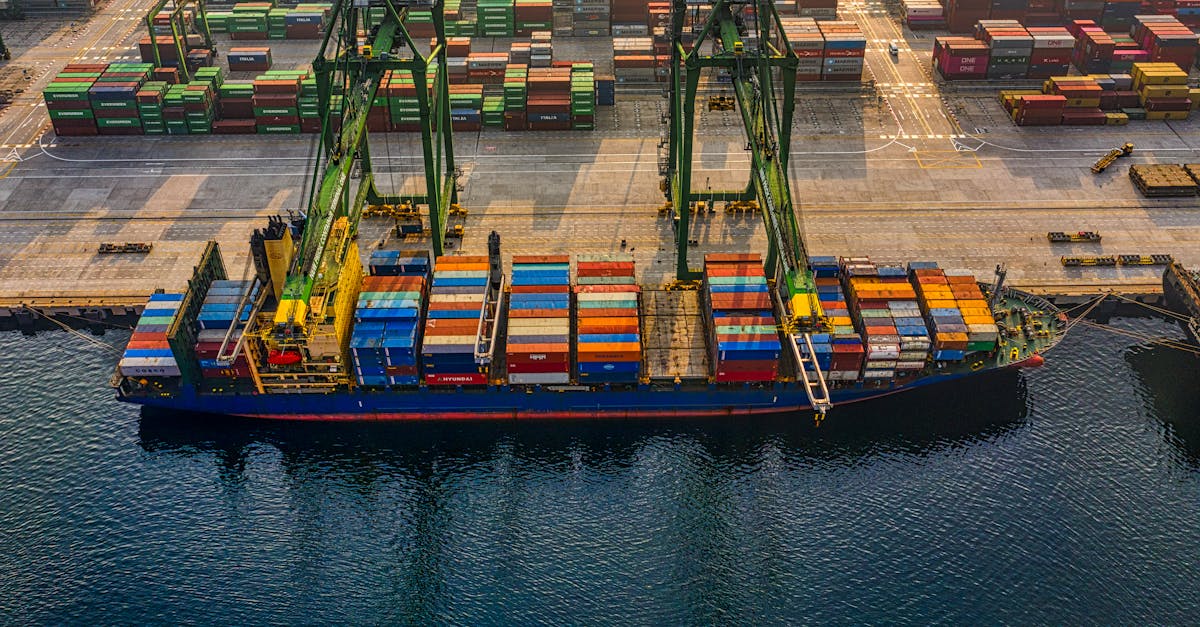
Clearing a humanoid robot through Indian ports requires coordination between the importer, a licensed Customs House Agent (CHA), and port authorities. The standard workflow is:
- IEC and AD Code Registration: An Import Export Code (IEC) from DGFT is mandatory. The AD Code must be registered with the port’s customs office before shipment arrival.
- Pre-Shipment Documentation: Commercial invoice, packing list, certificate of origin, bill of lading/airway bill, manufacturer’s declaration, and technical datasheet. Pilot deployment agreements or purchase orders should be attached to justify commercial intent.
- Bill of Entry Filing: Submitted via the ICEGATE portal. The CHA verifies HS code, duty calculation, and compliance documents. Random inspections are common for robotics hardware.
- Port Inspection and Testing: Customs may inspect actuators, batteries, and control modules. Lithium-ion battery shipments require UN 38.3 certification and IATA/IMO compliance documentation.
- Duty Payment and Release: Upon verification, duties are paid electronically. The robot is cleared for transport to the final facility.
Ports like Mumbai (JNPT), Chennai, Delhi (IGI), and Bengaluru (Kempegowda) handle the majority of robotics imports. Pre-clearance via the ICEGATE system reduces dwell time. Importers should budget for port handling charges, terminal handling, and CHA fees, which vary by volume and port infrastructure.
Regulatory Compliance Beyond Customs
Humanoid robots cross multiple regulatory boundaries. Customs clearance is only one step. Importers must ensure:
- WPC and BIS Certification: Onboard Wi-Fi, Bluetooth, or cellular modules require Wireless Planning and Coordination (WPC) equipment type approval. If the robot uses domestic communication standards, BIS certification under the Wireless (Development and Regulation) Order is mandatory.
- LiDAR and Sensor Compliance
- Electrical Safety: Batteries, chargers, and power supplies must meet BIS standards (IS 616, IS 13252). Importers should retain test reports from accredited labs.
- Data and Software Licensing: If the robot ships with proprietary AI models or cloud-dependent software, importers must verify data localization compliance under the Digital Personal Data Protection Act (DPDP) 2023. Offline-capable firmware reduces regulatory friction.
Non-compliance at any layer results in port detention, penalties, or mandatory re-export. Engaging a CHA with robotics experience and a compliance consultant for telecom/data regulations is standard practice for commercial imports.
India Availability and Approximate Landed Pricing
The humanoid robot market in India remains in a pilot and early commercialization phase. Shipping hardware is limited to specific industrial, research, and defense-adjacent deployments. Announcements and rendered concepts dominate the press cycle, but landed cost calculations must be grounded in actual shipped units.
Brands that have shipped hardware to India or signed pilot deployment agreements include Unitree, Fourier Intelligence, Apptronik, and Sanhe. These platforms are primarily deployed in manufacturing, logistics, and research labs. Tesla Optimus, Figure, and Agility Robotics remain in prototype or limited pilot phases with no widespread commercial shipping to India as of current reporting.
Approximate landed cost estimates for a mid-tier humanoid robot (based on shipped hardware, not announcements):
- Base Hardware Cost: $100,000 to $200,000 USD (₹83 lakh to ₹1.66 crore INR at current exchange rates).
- Customs Duty (BCD + SWS): ~16.5% to 22% of CIF value.
- IGST (18%): Applied on duty-paid value.
- Port, CHA, and Compliance Fees: ₹2 lakh to ₹5 lakh depending on port and documentation complexity.
- Estimated Landed Cost in India: ₹1.1 crore to ₹2.2 crore INR per unit, excluding post-import service contracts, cloud subscriptions, or facility integration.
Pricing varies significantly for educational, R&D, or government procurement channels. PLI schemes and state-level automation incentives may offset costs, but duty exemptions for humanoid platforms are not yet standardized. Importers should request landed cost breakdowns from manufacturers or authorized distributors before committing to pilot deployments.
Practical Steps for Importers
To streamline the import process, follow these operational steps:
- Register for IEC and AD Code at least 30 days before shipment.
- Obtain manufacturer spec sheets, battery test reports, and WPC/BIS compliance certificates.
- Engage a CHA with robotics import experience and verify port-specific inspection protocols.
- File the Bill of Entry with accurate HS code and CIF valuation.
- Budget for IGST, port handling, and post-import compliance (service tax, warranty, and software licensing).
- Maintain documentation for ITC claims and audit trails.
Humanoid robot imports are capital-intensive and compliance-heavy. Grounding decisions in shipped hardware, documented pilot results, and official tariff notifications prevents costly clearance delays and ensures accurate financial planning.
References
- Central Board of Indirect Taxes and Customs (CBIC) Tariff Schedule: https://www.cbic.gov.in/htdocs-cbec-rti/customs/indirect-tariffs/indtariff18-19/
- DGFT IEC Registration Guidelines: https://dgft.gov.in/
- CBIC Customs Valuation Rules (WTO Agreement): https://www.cbic.gov.in/htdocs-cbec-rti/customs/indirect-tariffs/valuation/
- GST Council Notifications on Robotics Hardware: https://www.gstcouncil.gov.in/
- Wireless Planning & Coordination (WPC) Equipment Approval: https://wpc.gov.in/
- Bureau of Indian Standards (BIS) Electrical Safety Certification: https://bis.gov.in/
- Unitree Robotics Official Specifications: https://www.unitree.com/
- Apptronik Official Platform Documentation: https://apptronik.com/
- Fourier Intelligence Official Product Sheets: https://www.fourierintelligence.com/
- Economic Times Reporting on Robotics Imports and PLI Schemes: https://economictimes.indiatimes.com/
✓ Key takeaways
- •Hands-on view of Navigating Humanoid Robot Imports to India: Duties, GST, and Customs Clearance inside our Import & Customs library.
- •Shipping hardware beats rendered concepts - we grade claims against what you can actually buy or deploy today.
- •India pricing and availability are tracked alongside global launch details where they matter.
Related articles
More in Import & Customs →