Measuring the Indian Robotics Market: Shipping Hardware, Pilots, and Real-World Scale

The Actual Scale of India’s Robotics Market
India’s robotics market is frequently discussed in broad macroeconomic terms, but the real scale only becomes visible when we separate shipped hardware from pilot deployments and corporate announcements. The market currently spans multiple verticals, each with distinct adoption curves, pricing structures, and deployment realities. Industrial robotics remains the largest segment by installed base, followed by logistics automation, agricultural machinery with embedded robotics, and a rapidly emerging commercial service sector. Humanoid and embodied AI platforms are still in the pilot and early commercialization phase, with limited shipping volumes and higher landed costs.
According to industry tracking from NASSCOM and the India Brand Equity Foundation (IBEF), the broader automation and robotics ecosystem in India is valued between USD 2.5 billion and USD 3.2 billion annually, with robotics hardware and software contributing roughly 30 to 40 percent of that total. This figure includes industrial arms, mobile robots, automated guided vehicles, collaborative manipulators, and specialized agricultural and service platforms. The growth trajectory is steady rather than exponential, driven by manufacturing expansion, e-commerce fulfillment scaling, and government incentive programs like the Production Linked Incentive (PLI) scheme for electronics and automotive components.
Industrial Robotics: The Foundation
Industrial robotics in India is dominated by traditional articulated arms, SCARA robots, and collaborative manipulators. The installed base is estimated at 18,000 to 22,000 units annually, with major concentrations in automotive, electronics assembly, and heavy engineering. Domestic manufacturers and system integrators account for approximately 45 to 50 percent of the market, while international brands maintain strong presence through local assembly and distribution partners.
- Shipping Hardware: Major vendors ship pre-configured industrial arms directly to Indian manufacturing hubs. Landed costs for standard 6-axis industrial robots range from INR 12 lakh to INR 25 lakh per unit, depending on payload and reach. Collaborative robots typically fall between INR 6 lakh and INR 14 lakh.
- Pilot Deployments: Second-hand and refurbished industrial arms are actively deployed in pilot lines across tier-2 manufacturing clusters, extending the usable hardware lifecycle.
- Announcements: Several global manufacturers have announced India-based assembly facilities, but actual production ramp-up remains incremental.
Logistics and Warehouse Automation
Logistics robotics represents the fastest-growing deployment category in India, driven by e-commerce growth, third-party logistics expansion, and retail supply chain modernization. Mobile robots, including autonomous mobile robots (AMRs) and automated guided vehicles (AGVs), are the primary hardware shipped to fulfillment centers, distribution hubs, and manufacturing warehouses.
- Shipping Hardware: Domestic and international AMR manufacturers ship fleet-ready systems to major logistics parks in Delhi-NCR, Maharashtra, Karnataka, and Tamil Nadu. Landed costs for mid-range AMRs range from INR 15 lakh to INR 35 lakh per unit, with fleet management software licenses adding INR 2 lakh to INR 6 lakh annually.
- Pilot Deployments: Multiple pilot programs are active in cross-docking facilities and last-mile distribution centers, with most transitioning to phased commercial rollouts after 6 to 12 months of operational validation.
- Announcements: Corporate press releases frequently highlight multi-year logistics automation contracts, but actual hardware delivery timelines often extend by 3 to 6 months due to customs clearance, site preparation, and integration requirements.
Agricultural and Field Robotics
Agricultural robotics in India remains fragmented but is gaining traction through government-backed precision farming initiatives and private sector pilot programs. The hardware category includes autonomous tractors, robotic weeders, drone-based spraying systems, and harvesting assist platforms. Market penetration is lower than industrial or logistics segments due to terrain variability, maintenance challenges, and capital constraints among smallholder farmers.
- Shipping Hardware: Domestic manufacturers ship agricultural drones and robotic sprayers directly to state agriculture departments and private farming cooperatives. Landed costs range from INR 4 lakh to INR 12 lakh per unit, with higher-end autonomous field platforms exceeding INR 25 lakh.
- Pilot Deployments: State agriculture universities and private agritech firms run seasonal pilots across Punjab, Haryana, Uttar Pradesh, and Maharashtra. Hardware performance is closely monitored for durability, calibration stability, and operator training requirements.
- Announcements: Several agritech startups have announced national expansion plans, but actual deployment volumes remain concentrated in pilot districts with subsidized procurement programs.
Service and Commercial Robotics
Commercial service robots in India are deployed primarily in hospitality, healthcare, retail, and facility management. The hardware includes delivery robots, cleaning platforms, disinfection units, and customer-facing interactive systems. Adoption is gradual, with procurement decisions heavily influenced by total cost of ownership, floor surface compatibility, and regulatory compliance.
- Shipping Hardware: Domestic and regional manufacturers ship service robots to metropolitan commercial real estate portfolios and hospital networks. Landed costs range from INR 8 lakh to INR 22 lakh per unit, depending on navigation complexity and payload capacity.
- Pilot Deployments: Most commercial deployments begin as 3 to 6 month pilots in controlled environments. Hardware reliability, battery cycle management, and software update frequency are the primary metrics evaluated before contract conversion.
- Announcements: Corporate announcements often highlight large-scale deployment targets, but actual hardware shipments align with phased facility onboarding schedules rather than immediate nationwide rollout.
The Humanoid and Embodied AI Segment
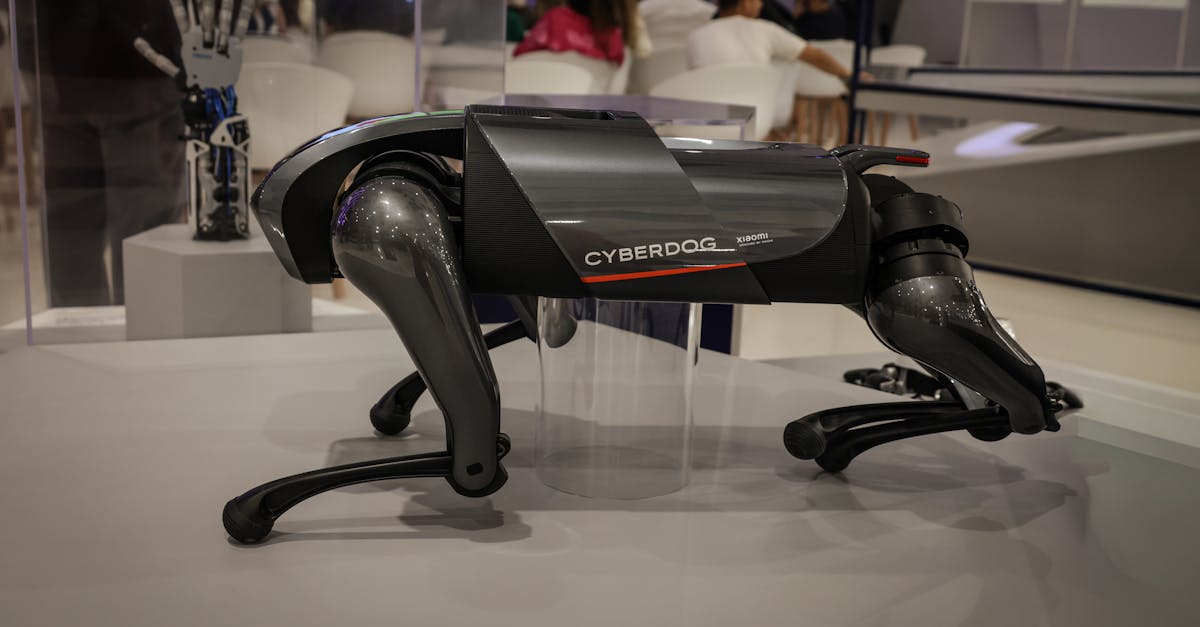
Humanoid robotics in India is currently classified as early-stage commercialization. The segment includes bipedal and quadrupedal platforms designed for manufacturing assistance, logistics handling, and facility inspection. Hardware shipping volumes are low, with most units deployed in controlled pilot environments or research laboratories. Pricing reflects R&D amortization and low-volume manufacturing.
- Shipping Hardware: Limited units of humanoid and advanced mobile manipulator platforms have been shipped to Indian technology parks and manufacturing test facilities. Landed costs range from INR 45 lakh to INR 90 lakh per unit, with software licensing and maintenance contracts adding significant recurring expenses.
- Pilot Deployments: Active pilots are concentrated in automotive assembly validation, electronics manufacturing quality inspection, and warehouse material handling trials. Hardware performance is measured against task completion rates, error correction latency, and operator intervention frequency.
- Announcements: Global and domestic developers frequently announce India market entry, but actual hardware delivery and site integration timelines remain constrained by calibration requirements, safety certification, and specialized maintenance training.
Pricing and India Availability
Robotics hardware availability in India is structured through direct manufacturer distributors, authorized system integrators, and domestic assembly partners. Import duties, GST, and customs clearance timelines influence landed costs. Domestic manufacturing initiatives have reduced lead times for standard industrial arms and AMRs, while specialized service and humanoid platforms still rely on imported components with longer procurement cycles. Approximate INR pricing for shipped hardware in India is as follows:
- Industrial articulated arms: INR 12 lakh to INR 25 lakh
- Collaborative robots: INR 6 lakh to INR 14 lakh
- Mid-range AMRs/AGVs: INR 15 lakh to INR 35 lakh
- Agricultural drones and robotic sprayers: INR 4 lakh to INR 12 lakh
- Commercial service robots: INR 8 lakh to INR 22 lakh
- Humanoid/advanced mobile manipulators: INR 45 lakh to INR 90 lakh
These figures represent landed cost estimates for standard configurations and do not include integration, software licensing, or extended warranty packages. Availability is strongest in Maharashtra, Karnataka, Tamil Nadu, and Delhi-NCR, with secondary distribution networks expanding into Gujarat, Telangana, and West Bengal.
Verifying Claims: Shipping vs. Pilots vs. Announcements
Market sizing accuracy depends on how claims are graded. Shipping hardware provides the most reliable indicator of actual market scale, as it reflects completed procurement, customs clearance, and installation. Pilot deployments indicate emerging adoption but require 6 to 18 months of operational validation before scaling. Corporate announcements represent intent and often overstate near-term deployment volumes. When evaluating India’s robotics market, prioritize verified shipment data, active pilot performance metrics, and manufacturer spec sheets over press release timelines. The market is growing steadily, but scaling requires sustained integration support, operator training, and maintenance infrastructure.
References
- NASSCOM. Robotics and Automation in India
- India Brand Equity Foundation (IBEF). Robotics and Automation Industry in India
- McKinsey & Company. The Future of Automation in India
- Fanuc India. Fanuc India Official Site
- ABB India. ABB Robotics India
- GreyOrange. GreyOrange Robotics Solutions
- Zebra Technologies India. Zebra Robotics and Automation India
- World Economic Forum. India’s Robotics and Automation Landscape
✓ Key takeaways
- •Hands-on view of Measuring the Indian Robotics Market: Shipping Hardware, Pilots, and Real-World Scale inside our India Market Size library.
- •Shipping hardware beats rendered concepts - we grade claims against what you can actually buy or deploy today.
- •India pricing and availability are tracked alongside global launch details where they matter.
Related articles
More in India Market Size →