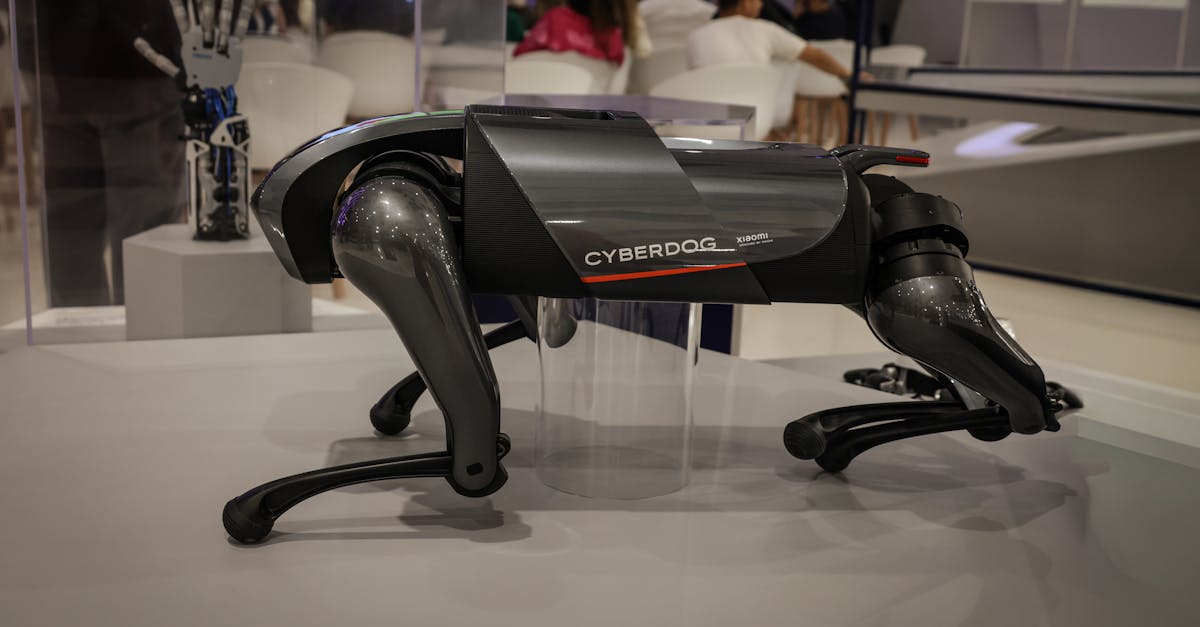
The Real Size of India’s Robotics Market: Shipping Hardware, Pilots, and Ground Truth

The Real Size of India’s Robotics Market
India’s robotics market is frequently discussed in press releases and venture capital briefs, but the actual volume of shipped hardware, installed base, and recurring revenue tells a different story. Conservative estimates from industry bodies and government publications place the domestic robotics market in the range of INR 25,000 to INR 35,000 crore (approximately USD 3–4.2 billion) for the 2023–2024 period. This figure includes industrial arms, automated guided vehicles (AGVs), autonomous mobile robots (AMRs), collaborative robots, service robots, and educational kits. The market is growing, but the growth is structural rather than exponential, driven by manufacturing modernization, e-commerce logistics, and institutional procurement rather than consumer adoption.
When grading claims about market size, the hierarchy must be strict: shipped hardware first, pilot deployments second, and public announcements last. India’s robotics sector is still heavily B2B. Consumer-facing humanoid or companion robots remain in prototype or limited pilot stages, with no mass-market distribution channels established. The revenue that actually registers in company filings, GST invoices, and institutional procurement records is concentrated in warehousing automation, discrete manufacturing, and higher education.
Shipping Hardware vs. Announcements
Venture announcements in India’s robotics space frequently exceed the volume of actual hardware deliveries. Between 2021 and 2024, several Indian robotics startups raised funding rounds that would support hardware production in mature markets, but domestic supply chain constraints, component import duties, and integration complexity have slowed serial production. The companies that have moved from prototype to serial deployment are primarily in the logistics automation and industrial automation segments.
Shipping hardware requires certified power systems, reliable sensors, Indian compliance standards, and after-sales service networks. Companies that have achieved this milestone include GreyOrange (warehousing logistics), Robosoft Technologies (industrial and educational robotics), Embotix (mobile manipulation and AMRs), Ignite Robotics (logistics automation), and Symbiomatic (autonomous mobility). Their deployments are documented in factory videos, on-stage demos, and vendor case studies rather than rendered concept art. The installed base across these segments is estimated at 12,000 to 15,000 units annually, with a cumulative installed base approaching 60,000 to 70,000 units since 2018.
Where the Revenue Actually Lands
Revenue distribution in India’s robotics market is heavily skewed toward industrial and logistics applications. The largest segment remains warehousing and fulfillment automation, followed by automotive and electronics manufacturing integration. Service robotics (hospitality, cleaning, security) and healthcare robotics (surgical, pharmacy automation) represent smaller, slower-growing segments due to regulatory pathways, clinical validation requirements, and procurement cycles in public hospitals.
Educational robotics holds a surprising share of unit volume, driven by government STEM initiatives, private school procurement, and university labs. While unit counts are high, average selling prices are low, and the segment contributes less to total market revenue than industrial automation. The market is also supported by system integrators who bundle robots with software, safety fencing, and commissioning services. These integrators account for a significant portion of the final invoice value, even though they do not manufacture the core hardware.
Pricing and Availability in India
Robot pricing in India varies widely by segment, configuration, and software licensing. The following ranges reflect approximate landed cost estimates, including import duties, GST, and basic commissioning where applicable. Actual quotes depend on volume, customization, and support contracts.
- Industrial articulated arms (6–20 kg payload): INR 8–15 lakhs per unit
- Collaborative robots (5–30 kg payload): INR 12–25 lakhs per unit
- AMRs/AGVs (50–500 kg payload): INR 15–40 lakhs per unit
- Mobile manipulation robots: INR 25–50 lakhs per unit
- Service robots (cleaning, delivery, security): INR 18–35 lakhs per unit
- Educational robotics kits: INR 0.5–3 lakhs per unit
Availability is primarily B2B. Most manufacturers and distributors operate through authorized channel partners in major industrial corridors: Bengaluru–Chennai–Hyderabad, Pune–Mumbai–Nashik, and Delhi–NCR–Gurgaon. Direct-to-consumer availability is negligible. Service robots require on-site commissioning, safety assessments, and integration with existing building management systems, which limits rapid deployment. Educational robots are widely available through online platforms and institutional distributors, but hardware refresh cycles are slow due to curriculum alignment and maintenance costs.
Pilots, Deployments, and Scale
Pilot deployments in India are concentrated in three sectors: e-commerce fulfillment, automotive electronics assembly, and hospital pharmacy automation. Pilots typically run for six to twelve months before scaling to multi-site deployments. Companies that have completed full-scale deployments document uptime, cycle time improvements, and ROI in vendor case studies and press releases. The transition from pilot to production remains the primary bottleneck, as Indian facilities require customized safety protocols, power backup integration, and workforce training.
Healthcare robotics faces additional hurdles. Surgical robots require medical device certification (CDSCO), clinical trials, and hospital board approvals. Pharmacy automation robots are deployed in tier-1 and tier-2 hospitals, but procurement cycles span 18 to 24 months. Cleaning and delivery robots are piloted in large campuses, airports, and retail chains, but scalability is limited by indoor navigation reliability, floor surface variations, and regulatory ambiguity around public-space autonomy.
What the Data Actually Says
Market sizing in India’s robotics sector relies on three primary data sources: government publications, industry association reports, and company filings. The Department for Promotion of Industry and Internal Trade (DPIIT) tracks robotics under the Electronics Component Manufacturing PLI scheme, which incentivizes domestic production of actuators, controllers, and sensors. NASSCOM’s annual robotics reports provide shipment estimates, company counts, and sector breakdowns. The Indian Robotics Association (IRA) maintains a directory of active manufacturers, integrators, and research labs.
Independent market research firms (IMARC Group, Mordor Intelligence, Statista) publish aggregated forecasts, but these models often overstate near-term revenue by extrapolating global growth curves without accounting for India’s component import dependency, integration costs, and procurement timelines. The most reliable indicator remains the number of units shipped and commissioned, not the number of funding rounds or concept videos.
India’s robotics market is growing at a compound annual growth rate (CAGR) of approximately 18–22% from 2023 to 2028, according to NASSCOM and IRA data. This growth is driven by labor cost arbitrage, manufacturing localization policies, and e-commerce logistics expansion. However, the market remains fragmented, with hundreds of small integrators and a handful of scale-capable manufacturers. The next phase of growth will depend on domestic component manufacturing, standardized safety certifications, and predictable procurement pathways in healthcare and public infrastructure.
For buyers and investors, the ground truth is clear: India’s robotics market is real, growing, and structurally sound, but it is not yet a mass-market consumer industry. Revenue is concentrated in industrial automation, logistics, and education. Pricing reflects landed costs and integration complexity. Pilots are common, but scaled deployments are the true measure of market maturity. The data supports steady growth, not sudden disruption.
References
- NASSCOM. (2023). Robotics in India: Market Landscape and Growth Drivers. https://www.nasscom.in/knowledge-center/reports/robotics-india
- Department for Promotion of Industry and Internal Trade (DPIIT). (2023). PLI Scheme for Electronics Component Manufacturing. https://dpiit.gov.in/pli-electronics-component-manufacturing
- Indian Robotics Association (IRA). (2024). Member Directory and Industry Reports. https://indianrobotics.org
- GreyOrange. (2023). Warehouse Automation Deployment Case Studies. https://www.greyorange.com/case-studies
- Robosoft Technologies. (2024). Industrial and Educational Robotics Product Specifications. https://www.robosoft.in/products
- Embotix. (2023). Mobile Manipulation and AMR Deployment Data. https://www.embotix.com/solutions
- IMARC Group. (2024). India Robotics Market: Size, Share, Trends, and Forecast Report. https://www.imarcgroup.com/india-robotics-market
- Mordor Intelligence. (2023). India Robotics Market - Growth, Trends, and Forecast (2024-2029). https://www.mordorintelligence.com/industry-reports/india-robotics-market
✓ Key takeaways
- •Hands-on view of The Real Size of India’s Robotics Market: Shipping Hardware, Pilots, and Ground Truth inside our India Market Size library.
- •Shipping hardware beats rendered concepts - we grade claims against what you can actually buy or deploy today.
- •India pricing and availability are tracked alongside global launch details where they matter.
References
- NASSCOM - Robotics in India Market Landscape
- DPIIT - PLI Scheme for Electronics Component Manufacturing
- Indian Robotics Association - Industry Directory
- GreyOrange - Warehouse Automation Case Studies
- Robosoft Technologies - Product Specifications
- Embotix - Mobile Manipulation Solutions
- IMARC Group - India Robotics Market Report
- Mordor Intelligence - India Robotics Market Forecast
Related articles
More in India Market Size →