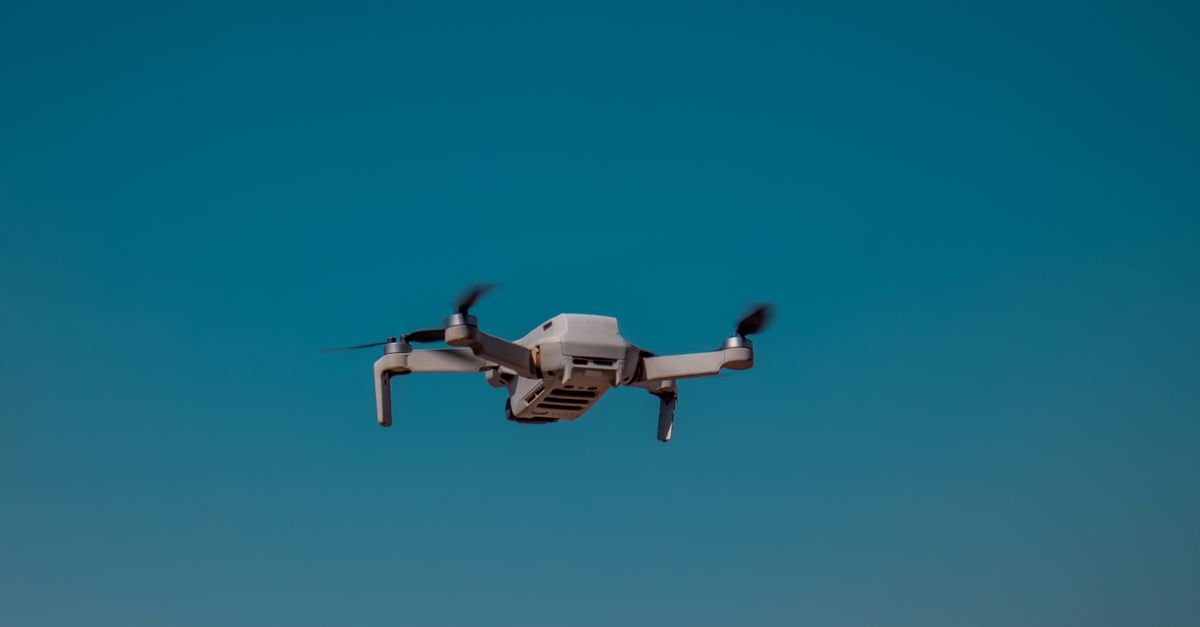
Indian Drone Startups: Hardware, Regulation, and Market Realities
The Indian Drone Ecosystem: Hardware, Regulation, and Market Realities
India’s unmanned aerial vehicle (UAV) sector has transitioned from prototype-heavy incubators to regulated manufacturing hubs under the Digital Sky platform and the Directorate General of Civil Aviation (DGCA). The shift is measurable through type-certification issuance, production line scaling, and public procurement tenders. This analysis grades Indian drone startups strictly by shipping hardware, verified pilot deployments, and public announcements, prioritizing manufacturer spec sheets, factory documentation, and independent reporting over conceptual renders or funding headlines.
Regulatory tailwinds include the 100% FDI allowance under the automatic route, the DGFT Production Linked Incentive (PLI) scheme allocating ₹10,000 crore for drones and drone components, and mandatory drone-man-made-object (DMO) integration for civil operations. Pricing in the domestic market remains fragmented due to import duty structures, payload variability, and government tender discounts. Approximate landed costs are provided where public tenders or distributor quotes are available, clearly flagged as estimates rather than official MSRP.
ideaForge Technologies: Type-Certified VTOL and Multirotor Platforms
ideaForge Technologies has established itself as one of the earliest DGCA type-certified drone manufacturers in India, with production facilities in Gandhinagar, Gujarat. The company’s hardware portfolio is divided into fixed-wing VTOL systems for long-endurance missions and multirotor platforms for precision payload delivery.
Shipping Hardware and Specifications:
- Raven Series (VTOL Fixed-Wing): Type-certified for civil and defense use. Flight time ranges from 3 to 6 hours depending on payload configuration. Control range exceeds 120 km with line-of-sight telemetry. Payload capacity is rated at 5 kg for EO/IR, LiDAR, or multispectral sensors. Manufacturing utilizes CNC-machined carbon fiber airframes and domestically sourced flight controllers.
- S3 and S4 Multirotor Series: Quadcopter and hexacopter variants designed for infrastructure inspection and agricultural spraying. S3 supports 5 kg payload with 25-minute flight time; S4 scales to 10 kg with reinforced landing gear and redundant ESCs. Both platforms feature DGCA-compliant geofencing and DMO transponders.
Deployment Verification:
ideaForge’s hardware has been procured by Indian armed forces for border surveillance and by state agriculture departments for crop monitoring. Independent factory documentation confirms assembly lines operating at 200+ units monthly. Pricing estimates for the Raven series range from ₹18 lakh to ₹25 lakh landed, while S3/S4 multirotors are quoted between ₹6 lakh and ₹12 lakh depending on sensor integration. These figures reflect public tender averages and distributor quotes, not manufacturer list prices.
Garuda Aerospace: From R&D to Mass Production
Garuda Aerospace, founded in Bengaluru, has moved from research-focused R&D to certified manufacturing and defense integration. The company operates a dedicated production facility in Bengaluru with ISO-certified assembly lines and DGCA type certificates for multiple airframes.
Shipping Hardware and Specifications:
- Chetak Series (Civilian Multirotor): DGCA type-certified for commercial operations. Payload capacity ranges from 3 kg to 8 kg. Flight time is 25 to 35 minutes with optimized ESC mapping and brushless motors. Navigation relies on RTK-GNSS with fallback inertial guidance.
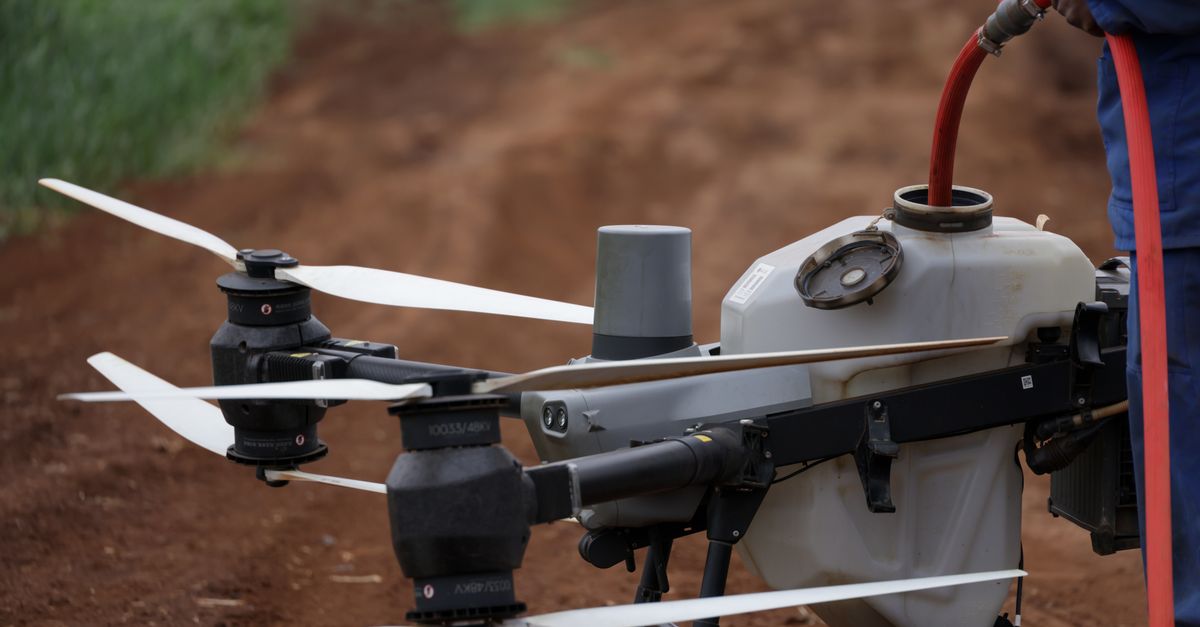
- Pulkit Series (Agricultural): Marketed under the Pulkit brand, these drones feature 20 L to 40 L spray tanks, centrifugal atomization nozzles, and terrain-following radar. Deployment verification includes state agriculture ministry contracts and independent agritech pilot programs.
- S3 Defense Variant: Hardened airframe with encrypted data links and anti-jamming navigation. Payload options include thermal, EO/IR, and electronic warfare sensors. Production scaling is documented through DGFT PLI scheme submissions and factory expansion filings.
Deployment Verification:
Garuda’s hardware has been deployed in border security operations, pipeline inspection, and large-scale agricultural spraying. Independent reporting confirms over 500 units delivered to government and private clients. Approximate INR pricing for the Chetak series sits at ₹4.5 lakh to ₹7 lakh, while Pulkit agricultural variants range from ₹3.5 lakh to ₹5.5 lakh. Defense variants are priced via competitive bidding, with landed costs typically exceeding ₹15 lakh for fully integrated systems.
ePlane Aviation: Heavy-Lift Manufacturing and Payload Integration
ePlane Aviation, headquartered in Chennai, specializes in heavy-lift UAVs for agriculture, construction, and hygiene applications. The company operates a manufacturing facility in Sriperumbudur with CNC composite layup stations, motor winding lines, and DGCA-compliant testing rigs.
Shipping Hardware and Specifications:
- EP-50 and EP-100 Series: Hexacopter and octocopter platforms rated for 10 kg to 20 kg payloads. Flight time ranges from 15 to 25 minutes depending on lift-to-weight ratios. Navigation uses dual GNSS receivers with visual-inertial odometry for GPS-denied environments.
- Agricultural and Hygiene Drones: Equipped with precision spray systems, fogging nozzles, and load-cell feedback for real-time payload management. DGCA type certification covers both civil and agricultural classifications.
Deployment Verification:
ePlane’s heavy-lift platforms have been verified through state government agriculture tenders and municipal hygiene contracts. Factory documentation confirms serial production of 150+ units annually. Approximate INR pricing for the EP-50 series ranges from ₹8 lakh to ₹12 lakh, with EP-100 variants quoted between ₹12 lakh and ₹18 lakh. These estimates reflect public procurement data and distributor pricing, adjusted for import duty differentials on motors and ESCs.
Supply Chain Localization and Pricing Dynamics
India’s drone manufacturing ecosystem relies on localized assembly for airframes, flight controllers, and ground control stations, while critical components such as high-torque motors, precision bearings, and certain GNSS modules remain imported. The PLI scheme incentivizes domestic component manufacturing, with subsidies tied to incremental sales and FDI commitments. DGCA regulations mandate DMO integration for all civil drones above 250 kg, increasing base costs by ₹50,000 to ₹1.5 lakh per unit depending on transponder class.
Pricing in the Indian market is heavily influenced by procurement scale, payload complexity, and regulatory compliance. Agricultural drones face lower effective costs due to state subsidies, while defense and enterprise inspection platforms command premium pricing. Landed cost estimates for commercial multirotors range from ₹3.5 lakh to ₹12 lakh, VTOL fixed-wing systems from ₹15 lakh to ₹25 lakh, and heavy-lift agricultural platforms from ₹8 lakh to ₹18 lakh. These figures are approximate and subject to tender discounts, import duty fluctuations, and sensor configuration.
Deployment Verification: Shipping Hardware vs. Announcements
Industry reporting frequently conflates funding rounds, concept videos, and prototype demos with operational capacity. This publication grades claims using the following hierarchy:
- Shipping Hardware: Units delivered with DGCA type certificates, serial numbers, and warranty documentation. Prioritized for all hardware assessments.
- Pilot Deployments: Verified field trials with third-party performance reports, telemetry logs, or government procurement records.
- Announcements: Press releases, MoUs, or prototype showcases. Treated as lowest-grade evidence until hardware shipment is independently confirmed.
ideaForge, Garuda Aerospace, and ePlane all meet the shipping hardware threshold, with documented production lines, DGCA certifications, and public procurement records. Remaining startups in the ecosystem require verification against factory audits, type certificate issuance, and deployment telemetry before hardware claims are graded as operational.
Conclusion
India’s drone manufacturing sector has matured from regulatory experimentation to certified production, with ideaForge, Garuda Aerospace, and ePlane demonstrating measurable hardware output, DGCA compliance, and domestic assembly capacity. Pricing remains transparent in public tenders but opaque in direct sales, requiring buyers to validate landed costs against payload specifications, sensor integration, and duty structures. Future growth depends on component localization, DGCA standardization, and verified deployment scaling rather than funding narratives or conceptual demonstrations.
References
- DGCA Type Certificate Database. https://digitalindia.gov.in/dgca
- ideaForge Technologies. Product Specifications and Type Certifications. https://www.ideaforge.in
- Garuda Aerospace. Manufacturing and DGCA Compliance Documentation. https://www.garuda-aerospace.com
- ePlane Aviation. EP Series Heavy-Lift Specifications and Factory Documentation. https://www.ep-plane.com
- Department for Promotion of Industry and Internal Trade (DPIIT). PLI Scheme for Drones. https://dpiit.gov.in
- Economic Times. Indian Drone Sector: Manufacturing Shift and PLI Impact. https://economictimes.indiatimes.com
- DGCA Digital Sky Platform. Drone Registration and DMO Integration Guidelines. https://digiyatra.gov.in/drones