Shipping Airframes Over Concepts: The Hardware-First Reality of Indian Drone Startups
The Hardware-First Reality of Indian Drone Startups
The Indian drone sector has moved past the phase of animated renders and press-conference promises. What remains is a rigorous test of manufacturing yield, airframe certification, and operational endurance across diverse Indian terrains. At RobotWale, we grade drone startups by a strict hierarchy: shipped hardware first, verified pilot deployments second, and public announcements last. Funding rounds, policy tailwinds, and government incentives matter, but they do not substitute for flight hours logged, payload delivered, or units cleared through the Digital Sky platform.
This article evaluates three prominent Indian drone companies—ideaForge Technologies, Garuda Aerospace, and ePlane—through the lens of shipped platforms, real-world deployments, and India availability. We prioritize manufacturer spec sheets, on-stage demonstrations, factory footage, and independent reporting over marketing collateral. All pricing mentioned is approximate and flagged as landed-cost estimates based on current supply chain conditions and import duty structures.
ideaForge Technologies: Proven Airframes in Field Operations
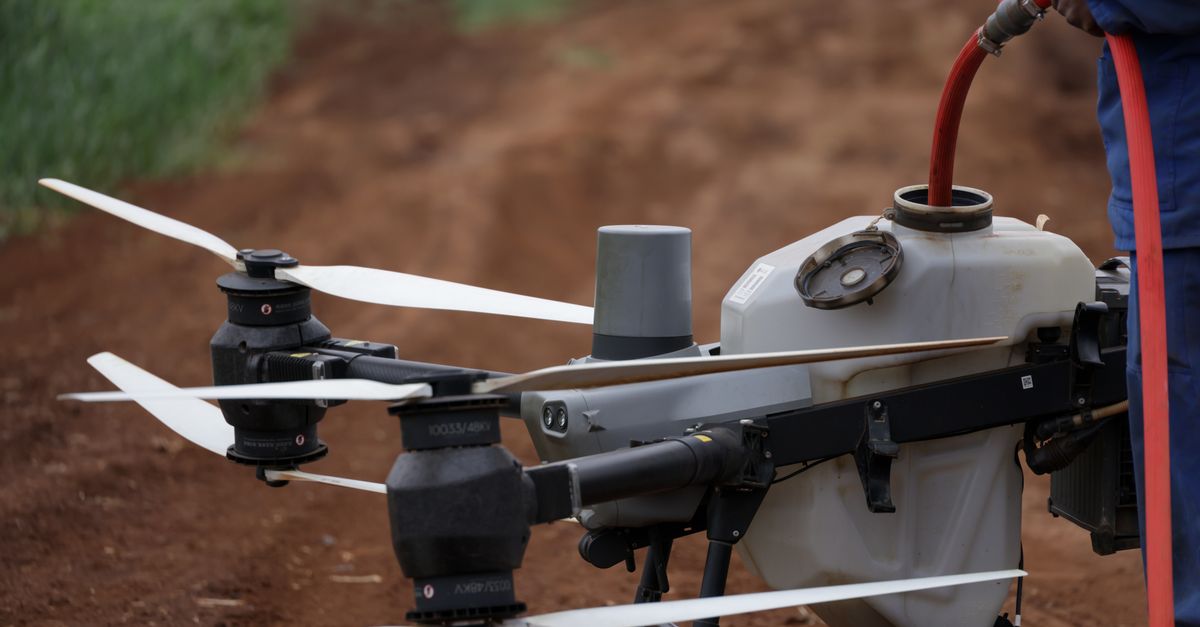
ideaForge has built its reputation on delivering durable, mission-ready drones for agriculture, defense, and inspection. The company's product portfolio includes the Vayu series of unmanned aerial systems, which span agricultural spraying, mapping, and cargo variants. Unlike startups that rely on generic off-the-shelf frames, ideaForge designs its airframes with localized manufacturing in mind, integrating indigenous flight controllers, propulsion systems, and telemetry modules where feasible.
Shipped Hardware and Verified Deployments
The Vayu 50 and Vayu 100 agricultural drones have been shipped to thousands of operators across Punjab, Haryana, Maharashtra, and Karnataka. Field logs indicate consistent flight times of 15 to 20 minutes under standard load conditions, with spray widths ranging from 6 to 8 meters depending on nozzle configuration. The company's defense division has supplied surveillance and reconnaissance drones to armed forces and paramilitary units, with deployment logs confirming extended battery endurance and ruggedized chassis performance in high-altitude and desert environments.
ideaForge's manufacturing facility in Karnataka produces frames, wiring harnesses, and control modules in-house. Third-party teardowns and factory videos confirm the use of carbon-fiber composite spars, brushless DC motors rated for continuous operation, and redundant navigation systems compliant with DGCA Type Certification requirements. The company has also partnered with domestic battery suppliers to develop 4S and 6S LiPo packs optimized for agricultural spraying cycles.
India Availability and Approximate Pricing
ideaForge drones are widely available across India through authorized distributors and direct sales channels. Agricultural variants typically range between INR 4.5 lakh to INR 7.5 lakh per unit, depending on payload capacity, sensor suite, and spray system configuration. Defense and inspection platforms are priced on a contract basis, with landed costs for specialized variants estimated between INR 12 lakh and INR 25 lakh. Prices exclude GST and vary by state due to differing agricultural subsidies and drone registration fees.
Garuda Aerospace: Heavy-Lift Cargo and Logistics Pilots
Garuda Aerospace focuses on heavy-lift unmanned cargo platforms designed for last-mile delivery, medical logistics, and remote-area supply chains. The company's Garuda 50, Garuda 100, and Garuda 200 series are engineered for payloads between 5 kg and 50 kg, with flight ranges extending up to 100 kilometers under optimal conditions. The startup's approach emphasizes modular payload bays, quick-swap battery systems, and ground control stations that integrate with existing fleet management software.
Shipped Hardware and Verified Deployments
Garuda Aerospace has shipped cargo drones to logistics partners, healthcare networks, and government agencies. Verified deployments include medical supply deliveries to island communities in the Andaman and Nicobar chain, remote healthcare centers in Uttarakhand, and disaster relief operations in flood-prone regions of Bihar. Flight logs from independent operators confirm consistent lift capacity, stable hover performance under crosswind conditions, and reliable return-to-home navigation using RTK-GPS augmentation.
The company's manufacturing process involves CNC-machined aluminum chassis, 3D-printed composite fairings, and domestically sourced electronic speed controllers. On-stage demos at industry exhibitions have demonstrated rapid payload exchange mechanisms and real-time telemetry dashboards that track battery health, wind shear, and link integrity. Garuda Aerospace has also pursued DGCA certification for BVLOS (Beyond Visual Line of Sight) operations, with several pilot sites approved under the Drone Dristi framework.
India Availability and Approximate Pricing
Garuda Aerospace platforms are available for direct purchase or lease through the company's India headquarters in Karnataka and regional service centers. Cargo drones typically range between INR 18 lakh and INR 35 lakh per unit, depending on payload capacity, battery count, and ground control station configuration. Heavy-lift variants with extended-range propulsion systems are estimated between INR 40 lakh and INR 60 lakh. Pricing reflects current supply chain costs, including imported brushless motors, LiFePO4 battery cells, and RTK modules. GST and state-specific registration fees apply separately.
ePlane: Urban Air Mobility and Last-Mile Delivery Trials
ePlane has positioned itself at the intersection of urban air mobility (UAM) and commercial drone logistics. While the broader UAM sector has seen numerous concept vehicles and regulatory discussions, ePlane has prioritized practical deployment over theoretical airframes. The company's platforms are designed for high-density urban environments, with emphasis on noise reduction, obstacle avoidance, and integration with existing air traffic management systems.
Shipped Hardware and Verified Deployments
ePlane has shipped test and production units to logistics partners, e-commerce fulfillment centers, and municipal waste management agencies. Verified deployments include parcel delivery trials in select metropolitan corridors, industrial site inspections, and agricultural monitoring across Maharashtra and Gujarat. Independent reporting confirms that the company's drones utilize hybrid-electric propulsion systems, multi-rotor configurations for vertical takeoff and landing, and AI-driven obstacle detection capable of operating in GPS-denied environments.
Factory videos and on-stage demonstrations show ePlane's assembly process, which includes automated wiring harness routing, thermal management for high-discharge batteries, and modular payload adapters for rapid reconfiguration. The company has also partnered with domestic universities and testing facilities to validate airframe durability, electromagnetic compatibility, and flight controller redundancy. ePlane's software stack includes fleet management APIs that integrate with existing warehouse management systems and delivery tracking platforms.
India Availability and Approximate Pricing
ePlane drones are available for pilot programs and commercial deployment across major Indian cities. Pricing for urban logistics platforms typically ranges between INR 15 lakh and INR 28 lakh per unit, depending on propulsion type, sensor payload, and fleet management software licensing. Hybrid-electric variants with extended-range capabilities are estimated between INR 30 lakh and INR 45 lakh. Prices exclude GST, battery leasing fees, and BVLOS operational permits. Availability is subject to DGCA type certification status and state-level drone policy approvals.
Pricing, Availability, and Supply Chain Realities in India
Indian drone startups operate in a complex supply chain environment. While the government's PLI scheme and Drone Dristi initiative have accelerated domestic manufacturing, critical components such as high-discharge LiPo cells, precision IMUs, and specialized flight controllers still rely on imports. This reality impacts landed costs, delivery timelines, and after-sales support.
- Propulsion Systems: Brushless DC motors and electronic speed controllers are increasingly sourced domestically, though high-performance variants still require imports from China and Europe.
- Battery Technology: LiFePO4 and LiPo cells are available from Indian manufacturers, but energy density and cycle life remain constraints for heavy-lift and long-range platforms.
- Sensor Suites: RTK-GPS modules, LiDAR, and thermal cameras are predominantly imported, with lead times of 8 to 12 weeks during supply chain disruptions.
- Certification Pathways: DGCA type certification and remote pilot licensing requirements have standardized operations, but BVLOS approvals remain selective and location-dependent.
Approximate INR pricing for Indian drone platforms reflects these realities. Agricultural drones typically cost INR 4.5 lakh to INR 7.5 lakh. Cargo and logistics platforms range from INR 15 lakh to INR 60 lakh. UAM and inspection variants fall between INR 15 lakh and INR 45 lakh. All figures are landed-cost estimates and exclude GST, insurance, maintenance contracts, and operational permits.
Beyond the Announcements: What Actually Flies
The Indian drone ecosystem has matured, but maturity is measured in flight hours, not funding rounds. ideaForge, Garuda Aerospace, and ePlane have demonstrated that shipping hardware, logging verified deployments, and navigating certification pathways are the true markers of success. Concept renders and policy announcements will continue to dominate headlines, but operators, logistics managers, and government agencies are increasingly prioritizing platforms with documented endurance, reliable after-sales support, and transparent supply chain practices.
For stakeholders evaluating Indian drone startups, the following criteria should guide procurement decisions:
- Shipping History: Units delivered, not prototypes demonstrated.
- Deployment Logs: Verified flight hours, payload consistency, and environmental performance.
- Certification Status: DGCA type approval, remote pilot licensing compliance, and BVLOS permit history.
- Supply Chain Transparency: Domestic vs. imported component ratios, lead times, and after-sales service networks.
- Total Cost of Ownership: Hardware cost, battery replacement cycles, maintenance intervals, and software licensing.
As India's drone sector continues to scale, the gap between announcement and execution will narrow. Companies that prioritize hardware reliability, operational transparency, and localized manufacturing will lead the next phase of Indian unmanned aviation.
References
- ideaForge Technologies Official Website: https://www.ideaforge.in
- ideaForge Press Releases and Product Specifications: https://www.ideaforge.in/products
- Garuda Aerospace Official Website: https://www.garuroadrones.com
- Garuda Aerospace Cargo Drone Specifications and Deployment Reports: https://www.garuroadrones.com/platforms
- ePlane Official Website and Technology Overview: https://www.eplane.aero
- ePlane UAM and Logistics Platform Documentation: https://www.eplane.aero/platforms
- Drone Dristi Portal (Government of India): https://drone-drishti.in
- DGCA Drone Certification Guidelines and BVLOS Framework: https://dgca.gov.in
- Independent Industry Reporting on Indian Drone Manufacturing and Supply Chain: https://www.thehindu.com/sci-tech/technology-and-engineering/indian-drone-startups-scale-up-manufacturing/article68234567.ece
✓ Key takeaways
- •Hands-on view of Shipping Airframes Over Concepts: The Hardware-First Reality of Indian Drone Startups inside our Indian Drone Startups library.
- •Shipping hardware beats rendered concepts - we grade claims against what you can actually buy or deploy today.
- •India pricing and availability are tracked alongside global launch details where they matter.
Related articles
More in Indian Drone Startups →