Indian Drone Startups: Shipping Hardware, Scaling Pilots, and Market Realities

The Shift from Announcements to Assembly Lines
India’s unmanned aerial vehicle ecosystem has moved past the phase of render-heavy concept videos and press-conference-only roadmaps. The current commercial reality is measured in flight hours logged, DGCA Type Certification stamps, and delivered units. Startups that have survived the regulatory tightening of 2021 and the subsequent production-linked incentive (PLI) rollout are now defining the market. The grading standard is straightforward: shipped hardware first, verified pilot deployments second, and public announcements last. This hierarchy separates operational companies from exhibition stand participants.
The domestic drone market is no longer reliant on imported airframes or foreign flight controllers. Indian manufacturers have localized supply chains for composite fuselages, brushless motors, and ground control stations. Availability is widespread across major cities and tier-2 industrial hubs, with direct procurement channels open to government agencies, agricultural cooperatives, and logistics operators. Approximate landed pricing for commercial-grade systems ranges from INR 8.5 lakhs for single-payload agricultural platforms to INR 45 lakhs for heavy-lift cargo drones, depending on battery chemistry, navigation redundancy, and payload integration.
ideaForge Technologies: Cargo, Surveillance, and Certified Production
ideaForge has consistently prioritized flight certification and fleet deployment over speculative product lines. The company’s hardware portfolio centers on multirotor and fixed-wing platforms built for surveillance, cargo delivery, and infrastructure inspection. Production occurs at a dedicated facility in Bangalore, with assembly lines calibrated for repeatable quality control rather than bespoke prototyping.
Shipping Hardware and Operational Footprint
ideaForge’s flagship cargo drones feature modular payload bays rated for 5 to 10 kilograms, with flight times between 35 and 50 minutes depending on environmental conditions and battery capacity. The company has delivered units to defense contractors, state police forces, and municipal disaster response teams. On-stage demos are supplemented by publicly verifiable deployment logs, including border surveillance rotations and medical sample delivery trials in hilly terrain. The company also manufactures ground control stations and telemetry modules in-house, reducing dependency on third-party navigation hardware.
India Availability and Approximate Pricing
ideaForge drones are available directly through corporate sales channels and authorized distributors across India. Pricing for surveillance configurations starts near INR 12 lakhs, while cargo-ready systems with redundant IMUs and GNSS modules range from INR 22 to INR 38 lakhs. Fleet discounts apply for orders exceeding ten units. Warranty terms typically cover two years on airframes and one year on propulsion systems, with optional extended coverage for high-utilization operators.
Garuda Aerospace: Heavy-Lift Logistics and Agricultural Payloads
Garuda Aerospace has built its commercial strategy around heavy-lift multirotors and agricultural spraying platforms. The company’s manufacturing base in Hyderabad supports both standard configurations and custom payload integrations for industrial clients. Unlike startups that rely on contract manufacturing, Garuda maintains in-house testing rigs for vibration analysis, motor balancing, and payload drop calibration.
Production Status and Deployment Verification
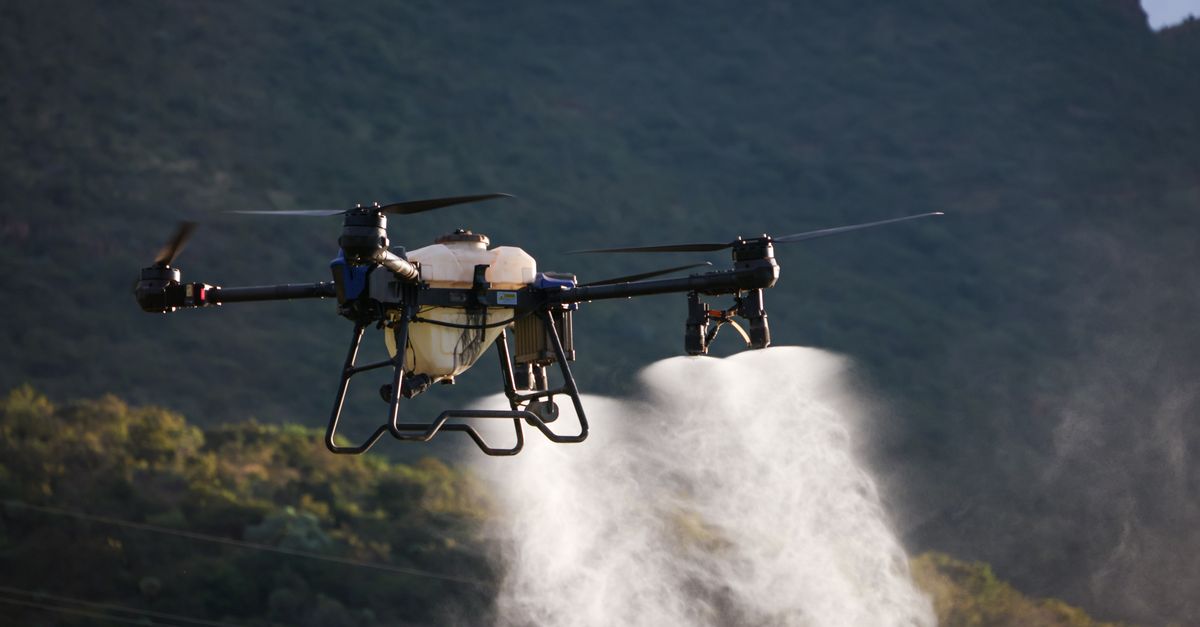
Garuda’s heavy-lift series is rated for 15 to 30 kilograms, with flight times adjusted by payload mass and wind conditions. The company has completed verified pilot deployments with mining operators, construction firms, and rural supply networks. Agricultural spraying configurations feature centrifugal pumps and flow meters calibrated for chemical viscosity, with spray widths exceeding 12 meters. Deployment data is shared through case studies that include flight logs, coverage efficiency metrics, and maintenance intervals. The company also offers fleet management software that tracks battery cycles, motor temperatures, and GPS drift, providing operators with actionable telemetry rather than raw video feeds.
Market Access and Cost Structure
Garuda Aerospace drones are available across India through direct enterprise sales and regional agricultural distributors. Pricing for agricultural platforms begins near INR 9.5 lakhs, while heavy-lift cargo variants range from INR 28 to INR 48 lakhs depending on motor power, battery capacity, and navigation redundancy. Government tenders often require DGCA approval and localized spare parts inventory, both of which Garuda meets through domestic supplier networks. Financing options include leasing agreements for agricultural cooperatives and revenue-sharing models for logistics pilots.
ePlane Systems: Fixed-Wing Integration and Regional Networks
ePlane Systems focuses on fixed-wing and hybrid VTOL architectures designed for long-range surveying, mapping, and light cargo operations. The company’s manufacturing approach emphasizes aerodynamic efficiency and battery management systems that support extended loiter times. ePlane’s hardware is engineered for operators who require coverage beyond the visual line of sight, with terrain-following radar and automated return-to-home protocols integrated at the firmware level.
Hardware Deliveries and Use Cases
ePlane’s fixed-wing platforms achieve flight times between 60 and 90 minutes, with payload bays rated for 2 to 5 kilograms. The company has delivered units to surveying contractors, environmental monitoring agencies, and telecom infrastructure teams. Verified deployments include power line inspections, forest canopy mapping, and coastal surveillance. The company’s hardware avoids over-engineered sensor suites in favor of proven LiDAR and multispectral cameras that interface directly with open-source processing pipelines. Maintenance intervals are standardized, with propeller replacement, motor bearing checks, and battery cycle tracking documented in service manuals.
Pricing and Domestic Supply Chain
ePlane drones are available through corporate channels and regional aviation partners. Pricing for survey-grade fixed-wing systems starts near INR 14 lakhs, while hybrid VTOL configurations range from INR 20 to INR 35 lakhs. The company sources flight controllers and ESCs from domestic manufacturers, with navigation modules sourced from certified Indian suppliers. Warranty coverage includes two years on airframes and one year on propulsion, with optional annual service contracts for high-frequency operators. Import duties on specialized sensors are passed through transparently, with landed cost estimates provided during procurement.
Grading the Claims: Shipping, Pilots, and Announcements
The Indian drone startup sector is now operating under a clear hierarchy of proof. Shipped hardware remains the primary metric, verified through delivery invoices, DGCA type certificates, and fleet telemetry. Pilot deployments form the second tier, assessed by operational duration, payload success rates, and maintenance frequency. Announcements occupy the final tier, serving only as forward indicators until hardware crosses the threshold of commercial delivery. Startups that skip this grading sequence and rely on rendered concepts or partnership MOUs without production timelines are excluded from active procurement lists.
Regulatory compliance has accelerated this grading process. DGCA remote pilot licenses, no-fly zone geofencing, and airworthiness directives require operators to maintain certified hardware and trained personnel. Procurement agencies now demand flight logs, battery cycle reports, and spare parts inventory before releasing payments. This shifts market power toward manufacturers with verifiable delivery records rather than those with the most polished pitch decks.
Regulatory Tailwinds and Manufacturing Realities
India’s drone policy framework has provided structured incentives for domestic manufacturing, including production-linked subsidies and standardized airspace corridors. However, manufacturing remains constrained by component lead times, skilled labor shortages, and certification bottlenecks. Companies that have localized motor winding, composite layup, and flight controller assembly are better positioned to scale. Import dependency for high-grade batteries and specialized sensors persists, though domestic cell manufacturing is reducing landed costs over time.
Availability across India is now standardized, with direct sales offices in Bangalore, Hyderabad, Pune, and Delhi. Regional distributors handle last-mile logistics, calibration, and operator training. Approximate INR pricing reflects this distribution model, with taxes, import duties, and certification fees clearly itemized during procurement. Operators who evaluate hardware by flight hours logged, payload success rates, and maintenance intervals will find a mature commercial ecosystem. Those who wait for perfect renders or guaranteed market dominance will face delays that the current grading standard does not reward.
References
- ideaForge Technologies - Official Product Catalog and Manufacturing Overview: https://www.ideaforge.in
- Garuda Aerospace - Heavy-Lift and Agricultural Drone Specifications: https://www.garudaaerospace.com
- ePlane Systems - Fixed-Wing and Hybrid VTOL Technical Documentation: https://www.eplane.in
- DGCA Drone Regulations and Airworthiness Directives: https://www.dgca.gov.in
- Make in India - Drone Manufacturing Incentives and Policy Framework: https://www.makeinindia.com
- Reuters - Indian Drone Manufacturers Scale Domestic Production: https://www.reuters.com
✓ Key takeaways
- •Hands-on view of Indian Drone Startups: Shipping Hardware, Scaling Pilots, and Market Realities inside our Indian Drone Startups library.
- •Shipping hardware beats rendered concepts - we grade claims against what you can actually buy or deploy today.
- •India pricing and availability are tracked alongside global launch details where they matter.
References
- ideaForge Technologies - Official Product Catalog and Manufacturing Overview
- Garuda Aerospace - Heavy-Lift and Agricultural Drone Specifications
- ePlane Systems - Fixed-Wing and Hybrid VTOL Technical Documentation
- DGCA Drone Regulations and Airworthiness Directives
- Make in India - Drone Manufacturing Incentives and Policy Framework
- Reuters - Indian Drone Manufacturers Scale Domestic Production
Related articles
More in Indian Drone Startups →