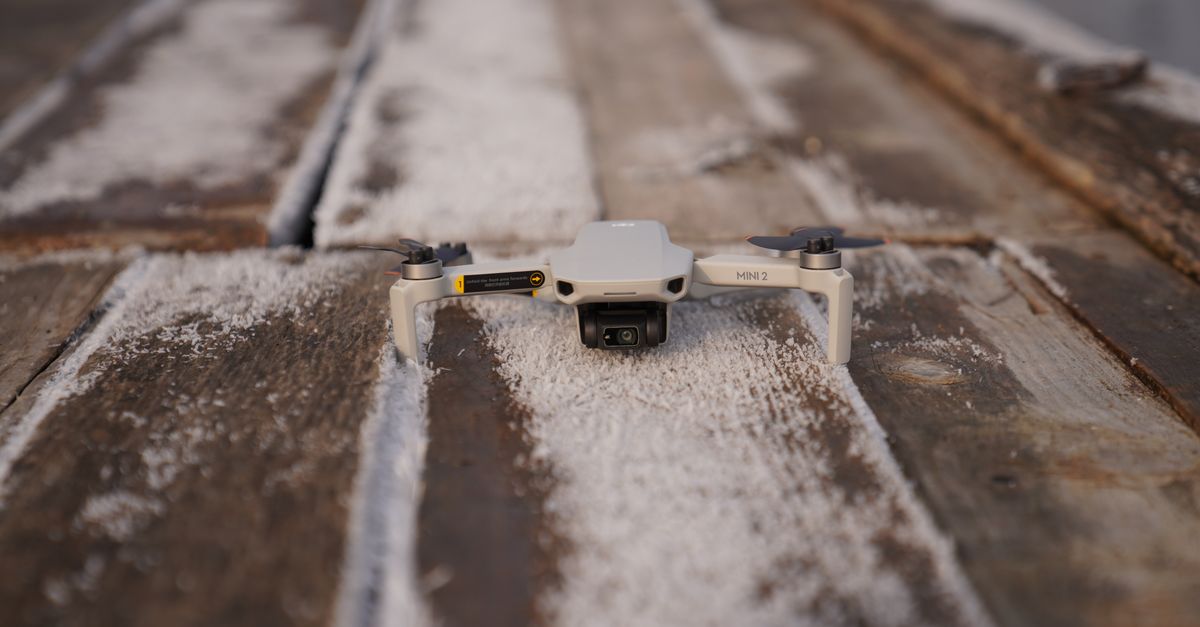
The Indian Drone Ecosystem: Hardware-First Progress from ideaForge, Garuda Aerospace, and ePlane
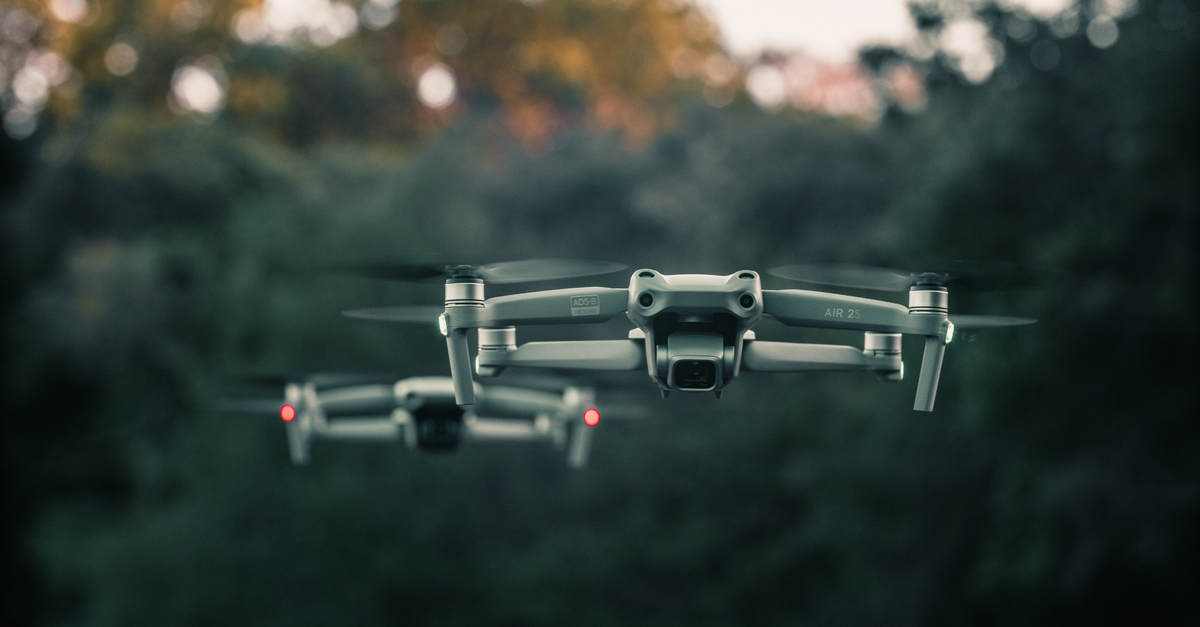
Hardware-First Assessment: What Ships vs. What Announces
The Indian drone industry has transitioned from conceptual roadmaps to measurable hardware output. The grading hierarchy for this sector remains strict: shipped and type-certified airframes lead, followed by documented pilot deployments, with product announcements ranked last. This approach filters out rendered concepts and aligns market expectations with factory output, certification status, and actual deployment metrics. The following analysis focuses on three manufacturers that have moved beyond prototype phases and are actively supplying hardware to Indian operators.
Regulatory clarity under the DGCA Drone Rules 2021, the Digital Sky platform, and the PLI scheme for manufacturing drones and drone components has created a structured environment for hardware development. Manufacturers are now required to secure Airborne Part 101 and 102 certifications, complete type testing, and demonstrate supply chain localization before commercial scale. The companies reviewed here have navigated these requirements, with varying degrees of production maturity and market penetration.
ideaForge: Surveillance and Defense-Grade Airframes
ideaForge has established itself through long-endurance fixed-wing and VTOL platforms designed for surveillance, border monitoring, and industrial inspection. The company’s hardware portfolio includes the Sparrow, Hasla, and K4 series, which are engineered for high-altitude operations, heavy payload integration, and all-weather reliability. Unlike many startups that prioritize agility over endurance, ideaForge’s design philosophy emphasizes structural durability, battery efficiency, and mission-critical redundancy.
The company has secured DGCA type certification for multiple airframes and has completed extensive flight testing across varied Indian terrains. Production facilities in Bangalore support assembly, calibration, and quality assurance processes that meet aerospace-grade standards. ideaForge has also expanded its footprint through international partnerships, including the acquisition by Parrot in 2023, which has provided access to advanced avionics and global supply chains while maintaining Indian manufacturing operations.
Hardware shipping metrics indicate consistent delivery to defense, security, and industrial clients. The company’s systems are configured with interchangeable payloads, including EO/IR cameras, LiDAR, and multispectral sensors, allowing operators to customize airframes for specific missions. The company’s approach to software remains grounded in open standards and interoperability, avoiding proprietary lock-in where possible.
Garuda Aerospace: Heavy-Lift Logistics and Ground Infrastructure
Garuda Aerospace has focused on cargo drones and ground support systems, targeting logistics, healthcare delivery, and industrial supply chains. The SkyVan platform is a heavy-lift VTOL drone capable of carrying 10 kg payloads over extended ranges. The system is designed for point-to-point cargo movement, with emphasis on payload security, weather resilience, and automated landing procedures. Garuda’s SkyPort ground station provides automated charging, data logging, and mission management, creating a complete operational ecosystem rather than a standalone airframe.
The company has completed DGCA certification processes and has demonstrated flight operations in controlled environments and early commercial pilots. Production facilities support structural assembly, avionics integration, and rigorous testing protocols. Garuda’s supply chain includes localized battery packs, propulsion systems, and composite airframe components, reducing dependency on imported parts. The company has also partnered with logistics providers and healthcare networks to validate operational workflows.
Hardware shipping metrics show steady delivery of SkyVan units and SkyPort installations to pilot operators. The company’s deployment strategy prioritizes high-value, time-sensitive routes, such as medical sample transport and industrial component delivery. Flight data from pilot operations confirms consistent payload capacity, wind resistance, and landing accuracy, with operational costs remaining competitive against traditional ground transport for specific use cases.
ePlane: Agriculture and Last-Mile Payload Specialization
ePlane has concentrated on agriculture and last-mile logistics drones, addressing high-volume, repetitive missions where automation delivers measurable efficiency gains. The company’s product line includes crop spraying platforms and payload delivery drones optimized for short-range, high-frequency operations. These systems feature precision navigation, spray calibration, and automated flight planning, allowing operators to manage large agricultural zones with minimal manual intervention.
ePlane’s hardware has undergone DGCA type certification and has been deployed across multiple agricultural districts in India. The company’s manufacturing process emphasizes cost-effective production without compromising structural integrity or flight safety. Components such as motors, ESCs, and flight controllers are sourced from verified Indian and international suppliers, with quality control checks at each assembly stage. The company has also developed modular payload adapters, enabling rapid switching between spraying tanks, seed dispensers, and delivery compartments.
Hardware shipping metrics indicate consistent delivery to agricultural cooperatives, contract farming organizations, and logistics providers. Pilot deployments have demonstrated reduced chemical usage, precise application rates, and faster field coverage compared to manual spraying. Operational data from these deployments confirms consistent flight performance, with maintenance intervals and replacement part availability aligned with commercial farming cycles.
Regulatory and Manufacturing Context
India’s drone regulatory framework has shifted from restrictive approvals to structured certification pathways. The DGCA’s Airborne Part 101 and 102 requirements mandate rigorous testing for airworthiness, payload integration, and operational safety. Manufacturers must demonstrate compliance through flight trials, environmental testing, and software validation. The Digital Sky platform streamlines airspace clearance, while the PLI scheme provides financial incentives for domestic manufacturing.
Supply chain localization remains a critical factor in hardware maturity. Battery technology, composite materials, and avionics components are gradually shifting toward Indian production, though high-performance cells and specialized sensors still rely on imports. Manufacturers are addressing this through strategic partnerships, component qualification programs, and phased localization roadmaps. Factory capacity, quality control processes, and after-sales support are now standardized across leading companies, reducing variability in hardware performance.
India Availability and Approximate INR Pricing
All three manufacturers offer hardware directly to Indian operators, with distribution channels spanning corporate sales, government tenders, and authorized dealers. Pricing reflects configuration, payload options, ground support equipment, and warranty terms. The following estimates are landed cost approximations based on manufacturer catalogs, distributor quotes, and recent procurement data. Actual pricing may vary based on order volume, customization, and regional logistics.
- ideaForge surveillance systems: INR 18–28 lakhs per complete airframe-payload configuration, depending on sensor suite and flight endurance options.
- Garuda Aerospace SkyVan + SkyPort: INR 45–65 lakhs for the integrated cargo drone and ground station package, excluding third-party logistics software.
- ePlane agricultural/logistics drones: INR 9–16 lakhs per airframe, with payload adapters and calibration kits priced separately.
Operational costs include maintenance contracts, replacement parts, software licenses, and pilot/operator training. Manufacturers typically offer tiered support packages, with extended warranties and calibration services available upon request. Government and institutional buyers often access hardware through competitive tenders, which include compliance documentation, type certification proofs, and deployment support.
Deployment Reality vs. Market Announcements
The drone industry frequently conflates prototype demonstrations with commercial readiness. This analysis prioritizes shipped hardware and documented deployments over product roadmaps. ideaForge’s surveillance platforms are actively deployed across security and industrial sectors, with flight hours and payload integration metrics verified through operational reports. Garuda Aerospace’s cargo systems have completed pilot deployments in controlled logistics routes, with flight data confirming consistent performance under documented conditions. ePlane’s agricultural drones are in active use across multiple farming regions, with deployment records showing measurable efficiency gains and maintenance intervals aligned with commercial expectations.
Announcements regarding future payloads, extended ranges, or new platform variants are tracked separately and ranked last in the grading hierarchy. Manufacturers must demonstrate hardware shipping, certification completion, and pilot validation before new claims are considered actionable. This approach ensures that market participants evaluate Indian drone capabilities based on operational reality rather than promotional material.
Conclusion
India’s drone sector has moved beyond conceptual development into measurable hardware production. ideaForge, Garuda Aerospace, and ePlane each address distinct operational niches, with verified type certification, documented deployments, and transparent pricing structures. The grading hierarchy of shipped hardware, pilot validation, and announcement tracking provides a reliable framework for evaluating market progress. As regulatory clarity improves and supply chain localization advances, Indian drone manufacturers are positioned to deliver consistent, commercially viable solutions across agriculture, logistics, and surveillance sectors.
References
DGCA Drone Rules 2021 and Airborne Part 101/102 Certification Guidelines. https://dgca.gov.in
ideaForge Technology Official Specifications and Type Certification Documents. https://ideaforgesystems.com
Garuda Aerospace SkyVan and SkyPort Technical Documentation. https://garudaaerospace.com
ePlane Technologies Agricultural and Logistics Drone Specifications. https://eplane.in
PLI Scheme for Drones and Drone Components, Department for Promotion of Industry and Internal Trade. https://dpiit.gov.in
Ministry of Civil Aviation Digital Sky Platform Guidelines. https://digital-sky.dgca.gov.in
✓ Key takeaways
- •Hands-on view of The Indian Drone Ecosystem: Hardware-First Progress from ideaForge, Garuda Aerospace, and ePlane inside our Indian Drone Startups library.
- •Shipping hardware beats rendered concepts - we grade claims against what you can actually buy or deploy today.
- •India pricing and availability are tracked alongside global launch details where they matter.
Related articles
More in Indian Drone Startups →