Infrastructure Inspection Drones: ideaForge and Skydio in Commercial Deployment

The Current State of Inspection Drone Hardware
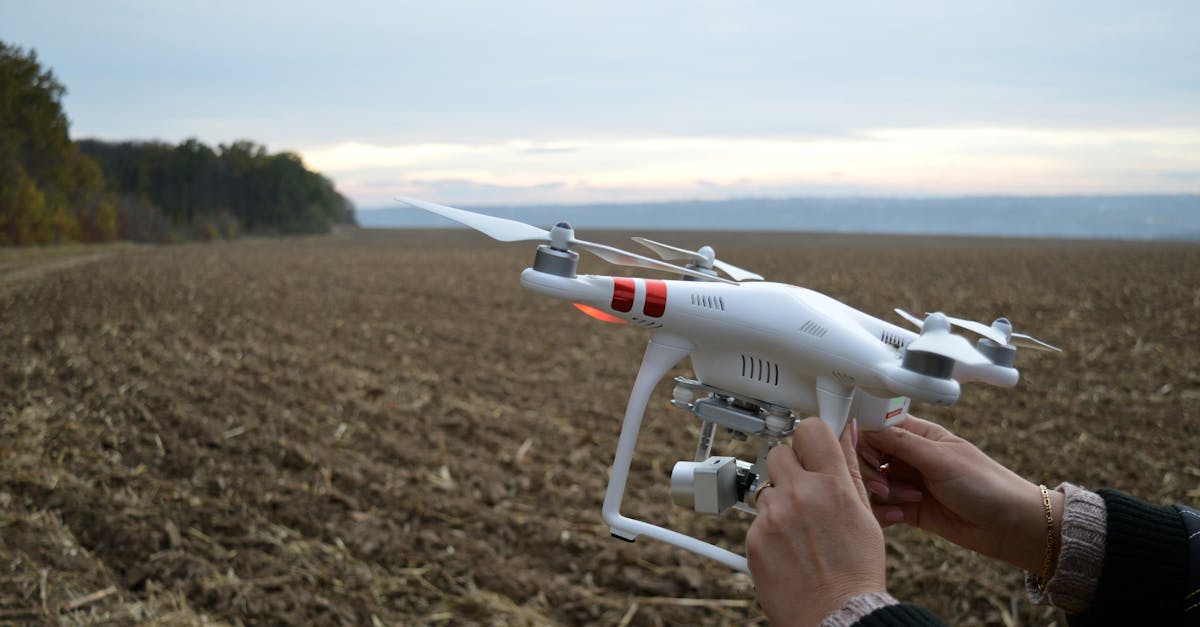
The commercial inspection drone sector has transitioned from prototype demonstrations to certified airframes capable of repeated field deployment. Infrastructure monitoring relies on stabilized gimbal cameras, thermal imaging payloads, LiDAR scanners, and RTK positioning modules. Hardware maturity in this segment is measured by flight hours logged, maintenance cycles, and regulatory certification, not by promotional renderings or software roadmaps. Claims regarding autonomous inspection capabilities must be graded by three tiers: shipping hardware with verified flight logs, pilot deployments with operator reports, and manufacturer announcements lacking independent validation.
Infrastructure operators require drones that maintain stable hover in wind gusts, operate within DGCA airspace restrictions, and deliver geotagged data compatible with existing GIS and asset management platforms. The market now distinguishes between general-purpose survey platforms and dedicated inspection systems optimized for power lines, bridges, solar farms, and industrial complexes. Procurement decisions depend on payload compatibility, autonomy reliability, service network coverage, and total cost of ownership.
ideaForge: Indian Manufacturing and Regulatory Alignment
Hardware Specifications and Shipping Status
ideaForge Technologies has been manufacturing inspection drones in India for over a decade, with the Tejas series representing its primary commercial line. The Tejas Pro and Tejas Raptor variants are shipping hardware units that have logged thousands of flight hours across Indian utility and infrastructure sectors. The airframes use carbon-fiber composite construction, brushless motors, and dual-battery systems rated for 25 to 35 minutes of operational flight time depending on payload weight. Maximum takeoff weight ranges between 4.5 kg and 5.5 kg, allowing integration of enterprise-grade zoom cameras, thermal sensors, and compact LiDAR modules.
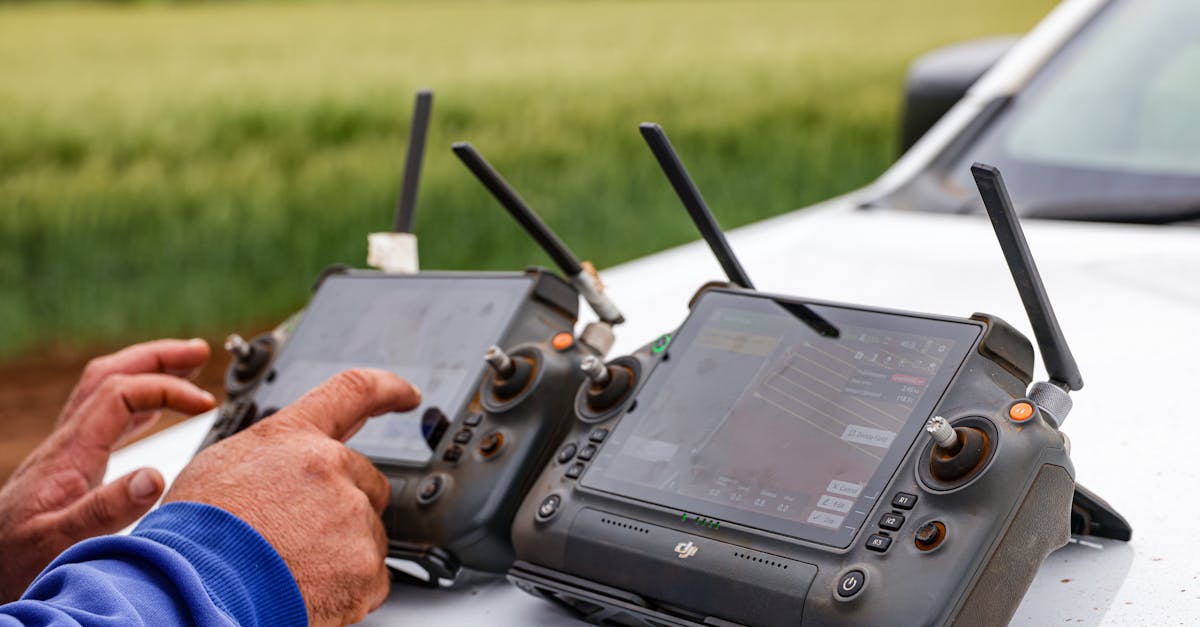
ideaForge hardware ships with a ground control station, dual-battery charger, and RTK base station support. The company maintains a direct service network across major Indian cities, with documented maintenance turnaround times and spare parts availability. Flight autonomy features include GPS-RTK positioning, automated mission planning, and return-to-home protocols. Obstacle avoidance relies on downward-facing sensors and pilot input rather than full 3D environment mapping. The airframes are DGCA type-certified and comply with Indian airspace classification requirements for commercial operations.
India Availability and Landed Cost Estimates
ideaForge inspection drones are available directly through the manufacturer and authorized distributors in India. Standard kits typically range from ₹15 lakhs to ₹22 lakhs for the airframe, controller, batteries, and base software license. Additional payloads such as thermal cameras or LiDAR scanners add ₹3 lakhs to ₹8 lakhs depending on resolution and scanning radius. Software subscriptions for data processing and fleet management are billed annually. Landed cost estimates for operators include import duties on sensor components, GST, and logistics, which can increase baseline pricing by 12 to 18 percent. Service contracts, pilot training, and insurance are separate line items.
Skydio: Autonomous Navigation and Global Deployments
Hardware Specifications and Deployment Track Record
Skydio has shipped the X2D and X10D inspection drones to commercial operators in the United States and select international markets. The hardware relies on a distributed camera array and edge-computing modules to enable autonomous obstacle avoidance and dynamic path planning. Maximum flight time is rated between 27 and 32 minutes, with a maximum takeoff weight near 3.9 kg. The airframe supports enterprise payloads including 4K zoom cameras and thermal sensors, though payload integration is more constrained compared to modular Indian platforms.
Skydio deployment evidence includes documented flights in power line inspection, bridge assessment, and solar farm monitoring. The company has published operator manuals, flight logs, and safety reports from US-based utility partners. Autonomy grading for Skydio hardware falls into the shipping and pilot deployment tiers, with verified flight operations in controlled and semi-controlled environments. The system requires line-of-sight or visual observer support in most jurisdictions, and full beyond-visual-line-of-sight (BVLOS) approval remains limited to specific regulatory waivers. Manufacturer claims regarding autonomous inspection workflows are supported by pilot data but not yet validated by independent third-party audits.
International Availability and Import Considerations
Skydio inspection drones are not directly sold in India due to import restrictions, DGCA payload regulations, and domestic manufacturing incentives. Indian operators can procure units through authorized international distributors, but landed costs increase significantly. The base unit price ranges from $16,000 to $20,000 USD, which converts to approximately ₹13.5 lakhs to ₹17 lakhs at current exchange rates. Import duties, IGST, customs clearance, and freight add 25 to 35 percent to the baseline cost. Service support requires third-party technicians or direct manufacturer dispatch, which extends maintenance windows. Operators must secure DGCA UAS operator permits and remote pilot certificates before deployment, and payload restrictions apply to thermal and LiDAR modules.
Technical Comparison for Infrastructure Applications
Flight Autonomy and Payload Integration
ideaForge hardware prioritizes modular payload integration and regulatory alignment with Indian standards. Operators can swap zoom, thermal, and LiDAR modules with minimal recalibration. Flight autonomy relies on GPS-RTK positioning and automated waypoint navigation, requiring pilot oversight for obstacle clearance. Skydio hardware emphasizes autonomous obstacle avoidance through multi-camera depth sensing and edge processing. The system reduces pilot workload during complex inspections but limits payload customization and increases maintenance complexity. Both platforms deliver geotagged imagery and structured data, but workflow compatibility depends on the operator’s existing GIS and asset management stack.
Data Processing and Compliance
Inspection drone data requires structured processing to generate actionable asset reports. ideaForge offers cloud and on-premise processing options compatible with Indian data localization requirements. Skydio provides proprietary software suites for 3D reconstruction and defect tagging, though export controls and data routing may affect Indian compliance. DGCA regulations mandate flight logging, payload registration, and operator certification. Both manufacturers provide telemetry logs and compliance documentation, but Indian operators must verify data storage locations and software licensing terms before procurement.
Procurement Realities for Indian Operators
Infrastructure firms evaluating inspection drones should grade claims by verified shipping hardware, pilot deployment records, and independent operator reports. Procurement checklists must include DGCA compliance documentation, payload compatibility matrices, service network coverage, and total cost of ownership calculations. Landed cost estimates should account for import duties, GST, insurance, training, and annual software subscriptions. Operators should request flight demonstration logs, maintenance records, and warranty terms before finalizing contracts. The Indian market favors domestically manufactured airframes with certified supply chains, while international platforms remain viable for specialized use cases where import and compliance costs are justified.
References
- ideaForge Technologies. Tejas Series Specifications and Certification Documentation. https://www.ideaforgedrones.com/tejas-series
- ideaForge Technologies. Commercial Deployment and Service Network Information. https://www.ideaforgedrones.com/commercial
- Skydio. X2D/X10D Inspection Drone Product Specifications and Operator Manuals. https://www.skydio.com/x2d
- Skydio. Commercial Deployment Reports and Flight Log Summaries. https://www.skydio.com/industries
- Directorate General of Civil Aviation (DGCA). UAS Operator Permit and Remote Pilot Certificate Guidelines. https://dgca.gov.in
- Ministry of Civil Aviation, India. Drone Rules 2021 and Airspace Classification Advisory. https://mca.gov.in
- Independent industry procurement guides and operator reports on inspection drone deployment in Indian infrastructure sectors.
✓ Key takeaways
- •Hands-on view of Infrastructure Inspection Drones: ideaForge and Skydio in Commercial Deployment inside our Inspection Drones library.
- •Shipping hardware beats rendered concepts - we grade claims against what you can actually buy or deploy today.
- •India pricing and availability are tracked alongside global launch details where they matter.
References
- ideaForge Technologies. Tejas Series Specifications and Certification Documentation.
- ideaForge Technologies. Commercial Deployment and Service Network Information.
- Skydio. X2D/X10D Inspection Drone Product Specifications and Operator Manuals.
- Skydio. Commercial Deployment Reports and Flight Log Summaries.
- Directorate General of Civil Aviation (DGCA). UAS Operator Permit and Remote Pilot Certificate Guidelines.
- Ministry of Civil Aviation, India. Drone Rules 2021 and Airspace Classification Advisory.
Related articles
More in Inspection Drones →