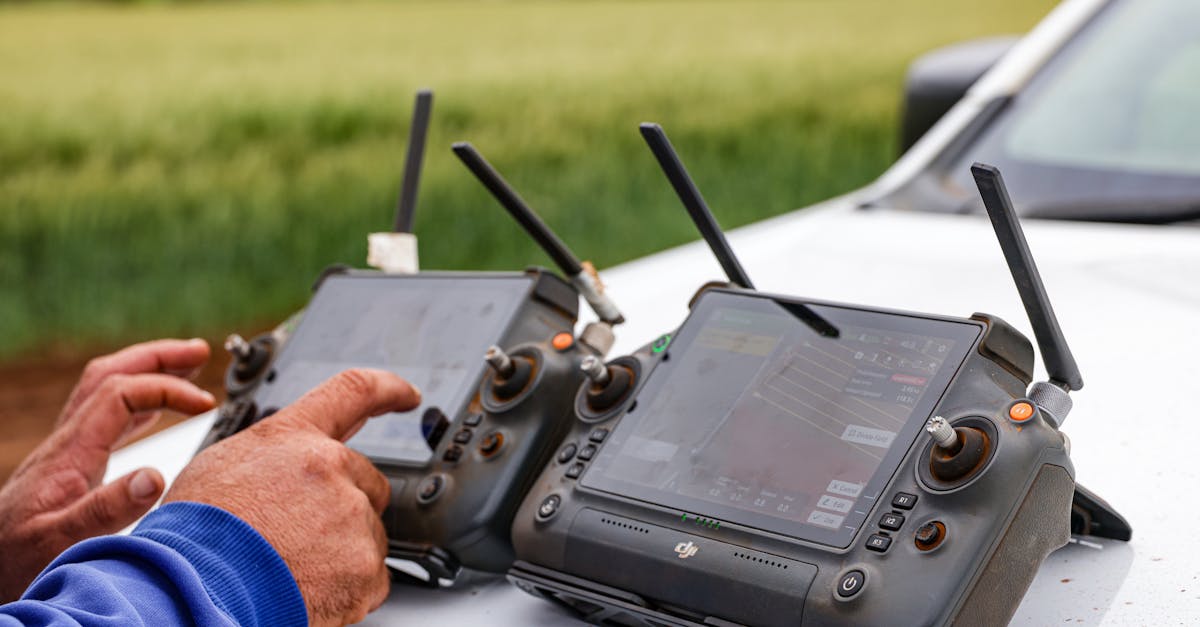
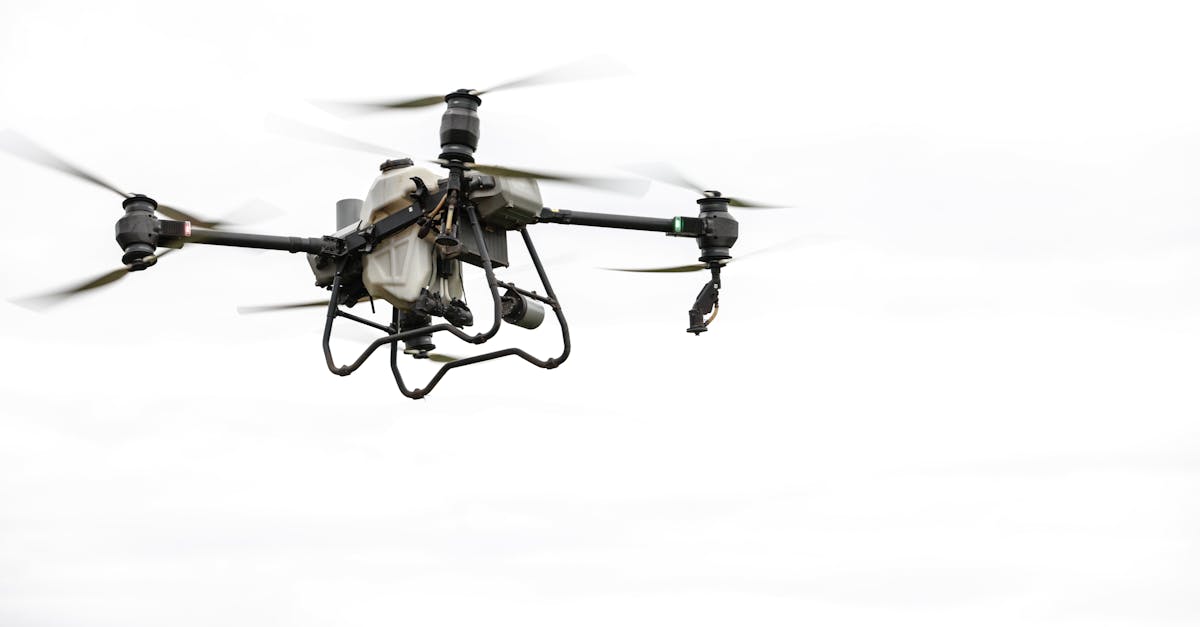
Infrastructure Inspection Drones: ideaForge and Skydio in the Field
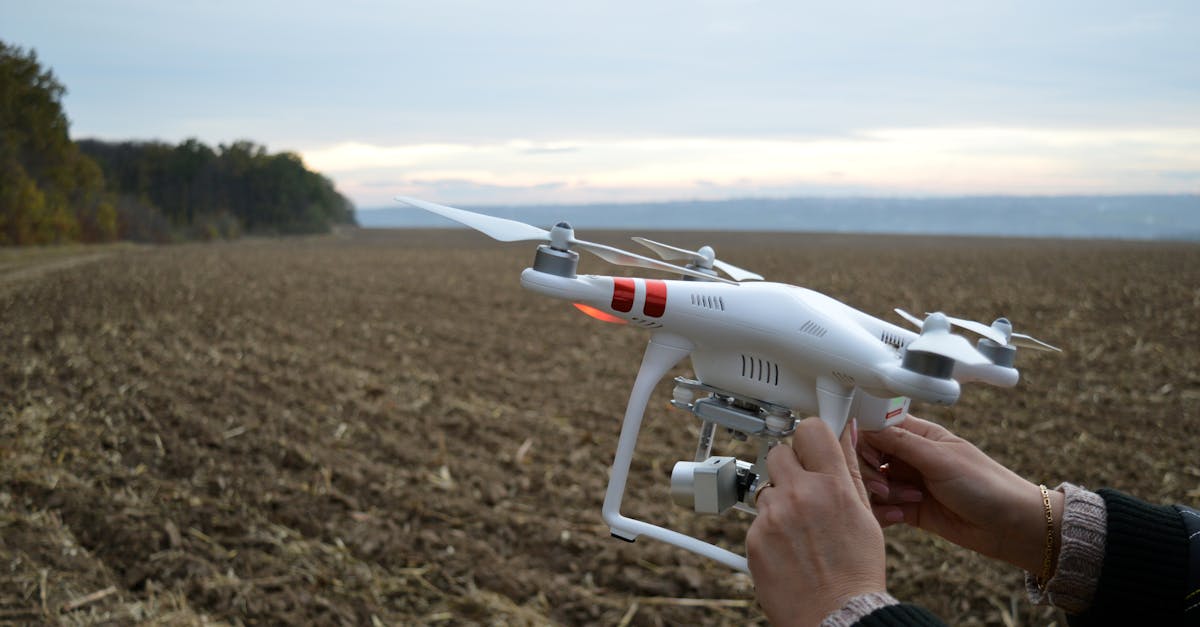
The Hardware-First Reality of Inspection Drones
Infrastructure inspection has moved past the phase of concept demonstrations and into operational workflows. The market now distinguishes between companies that ship certified airframes with validated payloads, those running pilot programs, and those issuing press releases about future capabilities. When evaluating drones for power lines, bridges, solar arrays, and industrial assets, the hierarchy remains clear: shipping hardware takes precedence, followed by documented pilot deployments, and finally, announced partnerships or roadmap items.
Two manufacturers consistently appear in procurement discussions for infrastructure inspection: ideaForge, an Indian aerospace and drone company with a focus on defense and commercial airframes, and Skydio, a U.S.-based developer of autonomous flight platforms. Both offer hardware that can be configured for inspection, but their operational profiles, compliance pathways, and deployment realities differ significantly. This article grades their current market position by hardware status, field data, and India-specific availability.
Grading Claims: Shipping Platforms, Pilots, and Announcements
Procurement teams and infrastructure operators must separate verified deployments from marketing timelines. The grading framework applied here follows a strict sequence:
- Shipping Hardware: Airframes that are manufactured, delivered, and supported with published spec sheets, certification documentation, and available service networks.
- Pilot Deployments: Documented field trials with measurable outcomes, including flight hours, payload accuracy, and operational constraints recorded by third parties or client reports.
- Announcements: Press releases, partnership MOUs, or roadmap disclosures that have not yet translated into delivered units or audited field data.
Infrastructure inspection relies on stable airframes, calibrated sensors, and predictable flight controllers. Autonomous features, while valuable, do not compensate for airframe reliability or payload integration gaps. The following sections evaluate ideaForge and Skydio against this hierarchy.
ideaForge: Indian Manufacturing and Payload Flexibility
Shipping Hardware and Field Deployments
ideaForge manufactures fixed-wing and multirotor platforms domestically in India. Their commercial inspection offerings typically build on the Puma and Chetak airframe families, which are certified for heavy lift and long-endurance missions. The company ships hardware with documented specifications, including payload bays, weather sealing, and flight controller redundancy. These platforms are not inspection-specific by default; they require integration with EO/IR cameras, LiDAR scanners, or gas sensors to meet infrastructure inspection standards. This modularity is a practical advantage for operators who maintain mixed fleets.
Field deployments of ideaForge platforms for inspection are documented through government and utility partnerships. Independent reporting and press releases confirm that Indian state electricity boards and municipal infrastructure agencies have integrated ideaForge airframes into survey workflows. The hardware supports manual and semi-autonomous flight modes, with payload data logged directly to ground control stations. Reliability metrics from utility pilots indicate strong performance in high-wind corridors and hot climates, consistent with India’s operational environment. However, inspection workflows still require trained pilots and manual waypoint planning for complex assets.
India Availability and Approximate INR Pricing
ideaForge platforms are available through direct procurement and authorized Indian distributors. Landed cost estimates for commercial inspection configurations typically range from ₹18,00,000 to ₹35,00,000, depending on airframe variant, payload selection, and ground control software licensing. These figures are approximate and exclude third-party sensor costs, which can add ₹2,00,000 to ₹12,00,000. Compliance with the DGCA Remote Pilot Certificate and airspace authorization frameworks is mandatory for Indian operators.
Skydio: Autonomous Flight and Inspection Workflows
Shipping Hardware and Pilot Data
Skydio ships autonomous inspection drones with a focus on computer vision-based navigation. The X2D and X10 variants are production hardware, supported by published spec sheets, battery logistics, and enterprise software suites. The X2D is a compact multirotor designed for tight spaces, while the X10 is a fixed-wing platform optimized for long-range corridor surveys. Both units feature obstacle avoidance, GPS-denied navigation, and automated flight path generation for inspection tasks.
Pilot deployments of Skydio hardware are documented across North American and European infrastructure sectors. Independent reporting and vendor whitepapers show that utility and bridge inspection teams use Skydio platforms for repetitive surveys, with flight data processed through automated mapping and defect detection pipelines. The autonomous flight stack reduces manual piloting but introduces dependencies on environmental conditions, including wind limits, lighting requirements, and RF interference. Pilot data indicates that inspection accuracy improves with calibrated payloads and structured data validation workflows. Skydio’s hardware ships globally, but export controls and localization requirements affect deployment timelines in certain regions.
India Availability and Approximate INR Pricing
Skydio platforms are available in India through authorized distributors and enterprise partners. Landed cost estimates for inspection-configured units range from ₹22,00,000 to ₹42,00,000, excluding payload integration and software licensing fees. These figures are approximate and subject to currency fluctuations, import duties, and distributor margins. Indian operators must navigate DGCA registration, remote pilot certification, and potential export control compliance for U.S.-origin autonomous systems. Support networks in India are limited to partner service centers, which affects turnaround times for maintenance and firmware updates.
Infrastructure Inspection: What the Data Shows
Power Lines and Bridges
Infrastructure inspection for power transmission corridors and bridge structures requires stable flight performance, high-resolution imaging, and reliable data continuity. ideaForge platforms provide long-endurance fixed-wing options suitable for linear asset surveys, with payload flexibility for thermal and optical inspection. Skydio platforms offer autonomous corridor mapping, reducing pilot workload for repetitive routes. Independent field data indicates that both systems achieve sub-meter positional accuracy when calibrated with ground control points. Bridge inspection workflows benefit from Skydio’s obstacle avoidance in confined spaces, while ideaForge’s fixed-wing variants cover longer spans with fewer battery swaps. Payload selection dictates inspection quality: EO/IR cameras capture surface defects and thermal anomalies, while LiDAR adds structural point clouds for deformation analysis.
Solar and Industrial Assets
Solar farm inspection relies on consistent flight paths, high-resolution imaging, and rapid data processing. ideaForge platforms support large-area coverage with fixed-wing endurance, while Skydio’s autonomous flight generates dense orthomosaics for panel-level defect detection. Industrial facility inspection requires indoor and outdoor capability, GPS-denied navigation, and strict safety protocols. Skydio’s vision-based navigation performs reliably in structured industrial environments, whereas ideaForge platforms require careful sensor integration for indoor operations. Independent reporting confirms that inspection workflows succeed when operators pair hardware with validated data pipelines, rather than relying on autonomous features alone. Maintenance scheduling, thermal imaging calibration, and LiDAR registration remain the primary determinants of inspection accuracy.
Sourcing and Compliance in India
Infrastructure operators in India must align drone procurement with regulatory and operational requirements. The DGCA mandates Remote Pilot Certificates, UIN registration, and airspace approvals for commercial flights. Inspection payloads must meet calibration standards, and data storage must comply with local data protection guidelines. ideaForge platforms offer domestic manufacturing, simplified compliance pathways, and localized support. Skydio platforms provide mature autonomous workflows but require distributor navigation, import documentation, and export control verification. Both systems are viable for infrastructure inspection when operators prioritize shipping hardware, validate pilot deployments, and budget for payload integration and ground control software.
References
- ideaForge Official Website and Product Specifications: https://www.ideaforgedrones.com/
- ideaForge Press Release on Commercial Drone Deployments: https://www.ideaforgedrones.com/news
- Skydio Official Product Pages and Technical Specifications: https://www.skydio.com/
- Skydio Enterprise Solutions and Deployment Reports: https://www.skydio.com/enterprise
- DGCA Drone Rules and Remote Pilot Certification Guidelines: https://dgca.gov.in/
- Independent Reporting on Drone Inspection Workflows: https://www.droneindustryinsights.com/
✓ Key takeaways
- •Hands-on view of Infrastructure Inspection Drones: ideaForge and Skydio in the Field inside our Inspection Drones library.
- •Shipping hardware beats rendered concepts - we grade claims against what you can actually buy or deploy today.
- •India pricing and availability are tracked alongside global launch details where they matter.
References
- ideaForge Official Website and Product Specifications
- ideaForge Press Release on Commercial Drone Deployments
- Skydio Official Product Pages and Technical Specifications
- Skydio Enterprise Solutions and Deployment Reports
- DGCA Drone Rules and Remote Pilot Certification Guidelines
- Independent Reporting on Drone Inspection Workflows
Related articles
More in Inspection Drones →