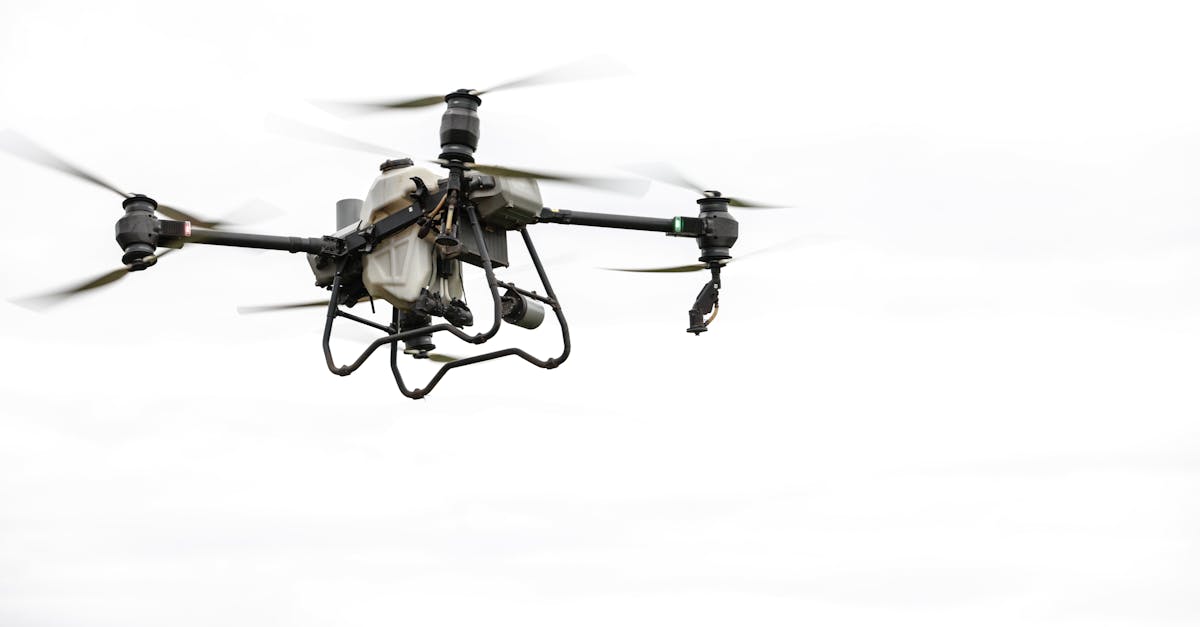
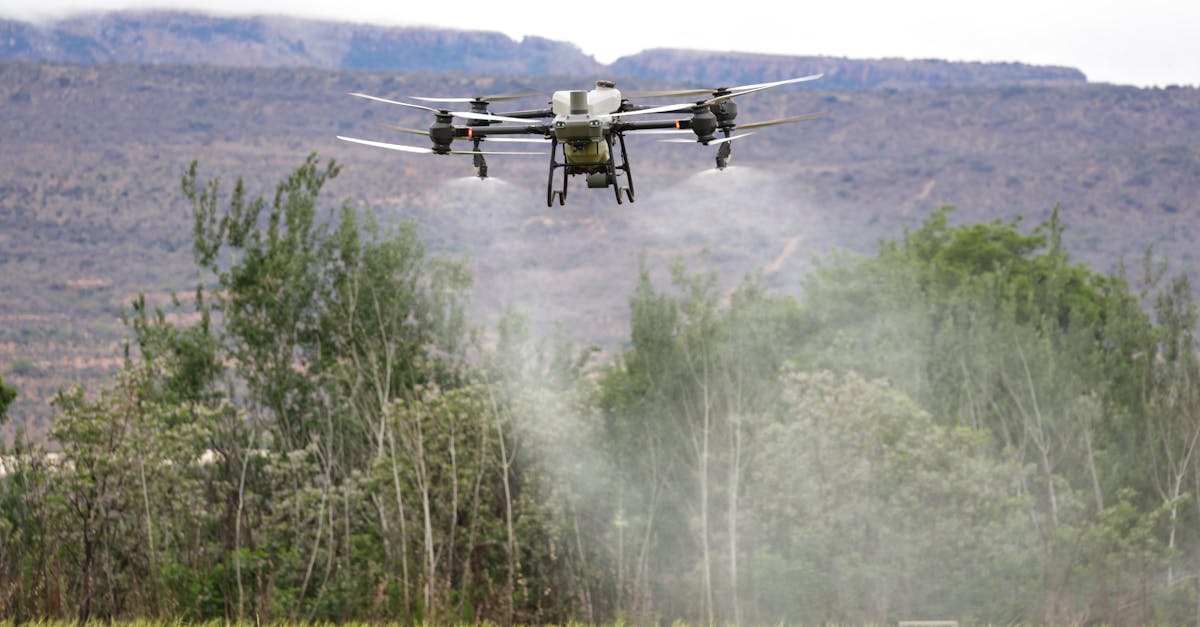
Inspection Drones in India: ideaForge, Skydio, and the Hardware Reality
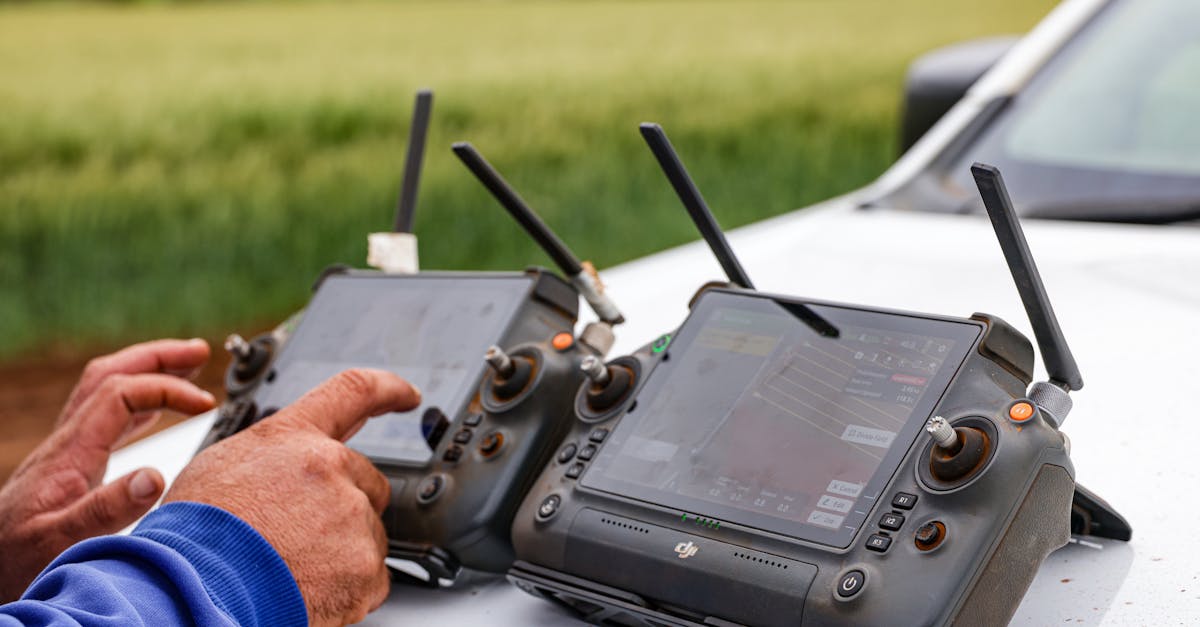
The State of Inspection Drones in India and Globally
Inspection drones have transitioned from experimental tools to standard operational assets across power grids, renewable energy farms, civil infrastructure, and heavy industry. The core value proposition remains unchanged: replace manned access with aerial data capture to reduce downtime, eliminate fall hazards, and improve measurement accuracy. Unlike consumer or delivery drones, inspection platforms prioritize sensor payloads, flight stability, data security, and regulatory compliance over speed or range.
India’s inspection drone market has grown alongside its renewable energy expansion and aging transmission networks. The Directorate General of Civil Aviation (DGCA) drone framework has standardized type certification, operator licensing, and no-fly zone protocols, forcing vendors to align hardware and software with domestic data localization and airspace rules. Global platforms face additional constraints around export controls, software update routing, and on-ground service networks.
This article grades inspection drone claims strictly by deployment tier: shipped and fielded hardware first, documented pilot programs second, and manufacturer announcements last. We focus on two established players with contrasting market positions: ideaForge, which dominates Indian utility deployments, and Skydio, which leads in autonomous navigation but faces import and data sovereignty hurdles in India.
Grading Claims: Shipping Hardware vs. Pilots vs. Announcements
The inspection drone sector suffers from specification inflation. Marketing materials frequently conflate lab results with field performance, and software features are often listed as hardware capabilities. RobotWale grades claims using a strict hierarchy:
- Shipping Hardware: Units delivered, type-certified, and actively logging flight hours for commercial inspection work. This tier reflects manufacturing maturity, supply chain stability, and real-world reliability.
- Pilot Deployments: Time-bound trials with utilities or contractors. Pilots reveal integration challenges, payload compatibility, and operator training requirements but do not guarantee commercial scale.
- Announcements: Product roadmaps, partnership press releases, or conference demos. These are noted for market direction but carry the lowest reliability weight until hardware ships and logs field data.
Inspection drone procurement should be driven by tier-one hardware availability, supported by tier-two pilot data, and treated as tier-three announcements unless independently verified.
ideaForge: India’s Dominant Inspection Platform
ideaForge Technology Solutions has established itself as the baseline inspection drone provider for Indian utilities. The company’s PowerPac series and Raptor fixed-wing platforms are explicitly designed for high-wind, high-temperature, and GPS-denied environments common across Indian transmission corridors and industrial sites.
Hardware and Deployments
The PowerPac 250 and 300 multirotor platforms ship with interchangeable electro-optical/infrared (EO/IR) gimbals, LiDAR scanners, and hyperspectral sensors. ideaForge’s fixed-wing Raptor series handles long-span grid inspections, solar farm mapping, and pipeline surveys. The company’s hardware is DGCA type-certified, and its software stack supports offline mission planning, encrypted data transfer, and domestic cloud hosting.
ideaForge inspection drones are actively deployed across:
- Power Grid Corporation of India transmission line inspections
- NTPC thermal and renewable plant asset surveys
- TATA Power distribution network fault localization
- State electricity boards for pole and insulator condition monitoring
These deployments are documented in manufacturer press releases, utility procurement notices, and independent industry reports. ideaForge’s hardware ships in volume, with field service centers in major Indian cities and documented flight hour tracking through its fleet management portal.
India Availability and Pricing
ideaForge PowerPac 250/300 inspection drones are available directly through Indian distributors and authorized system integrators. Base configurations with EO/IR payloads range from INR 28 lakh to INR 38 lakh. LiDAR or hyperspectral upgrades add INR 6 lakh to INR 12 lakh. Fixed-wing Raptor systems start near INR 35 lakh and scale upward based on wing span, endurance modules, and sensor payloads. All pricing reflects landed costs in India, including GST, and excludes training, spares, and annual maintenance contracts.
Skydio: Global Leader in Autonomous Inspection
Skydio has built its reputation on autonomous flight technology, specifically visual-inertial SLAM (Simultaneous Localization and Mapping) that enables obstacle avoidance and waypoint navigation without GPS. The Skydio X2D and X10D platforms are widely used in North American energy, construction, and civil infrastructure sectors.
Autonomous Navigation and Data Capture
Skydio’s core differentiator is its autonomous inspection workflow. The drones use multi-directional cameras to map surroundings in real time, allowing them to follow complex asset geometries, maintain safe distances, and recover from signal loss. The X2D supports 53-minute flight times with 20MP optical and 12MP thermal cameras. The X10D extends endurance to 53 minutes with a 20x optical zoom and 4K/60fps video capture, targeting large-scale infrastructure surveys.
Skydio’s software ecosystem includes Skydio Autonomy, which handles automated inspection routing, and Skydio Cloud for data management. Independent testing by industry analysts has confirmed reliable autonomous navigation in dense environments, though performance degrades in heavy rain, dust storms, or extreme thermal gradients.
India Availability and Pricing
Skydio inspection drones are not officially distributed in India due to export control classifications, data routing requirements, and on-ground service limitations. Indian enterprises must import them as commercial equipment, navigate DGCA type certification for foreign hardware, and configure data storage to comply with Indian sovereignty rules. Imported units typically cost USD 30,000 to USD 45,000 before customs. With Indian import duties, GST, and logistics, landed costs approximate INR 30 lakh to INR 40 lakh. Availability is limited to select private contractors and multinational EPC firms with existing compliance frameworks.
Infrastructure Inspection Use Cases
Inspection drones address specific operational gaps across infrastructure sectors. The following use cases reflect documented field deployments rather than conceptual applications.
Power Transmission and Distribution
Transmission line inspections require high-resolution imaging, thermal anomaly detection, and insulator fault localization. ideaForge platforms log thousands of flight hours across Indian grids, capturing corona discharge, polymer degradation, and hardware fatigue. Skydio’s autonomous navigation reduces pilot workload on long linear corridors, though Indian operators must validate GPS-denied performance under monsoon conditions.
Solar and Wind Farms
Renewable energy assets demand rapid panel-level defect mapping and turbine blade inspection. Multirotor platforms carry EO/IR payloads to identify hotspots, microcracks, and coating failures. Fixed-wing drones handle farm-scale topography and foundation surveys. Both platforms require payload calibration for varying light conditions and wind shear.
Bridges and Civil Infrastructure
Civil inspections focus on crack detection, concrete spalling, and expansion joint wear. Close-proximity autonomous flight is critical, as operators must maintain safe distances while capturing sub-millimeter defects. LiDAR integration enables 3D point clouds for structural modeling. Regulatory approvals for bridge inspections require no-fly zone waivers and visual observer protocols.
Oil, Gas, and Industrial Facilities
Heavy industry inspections prioritize explosion-proof certifications, thermal imaging for leak detection, and encrypted data chains. ideaForge’s industrial variants meet standard safety protocols, while Skydio units require additional hardware modifications for hazardous zone compliance. Both platforms face stricter maintenance intervals due to chemical exposure and particulate ingress.
Regulatory and Operational Realities in India
Indian inspection drone operations are governed by DGCA type certification, Remote Pilot License (RPL) requirements, and the Drone Rules 2021. Operators must register aircraft on the Digital Drone Mantralaya portal, obtain no-fly zone permissions, and maintain flight logs. Data localization rules require inspection imagery to be stored on Indian servers, which impacts foreign software vendors that rely on cloud processing.
Field operations also face practical constraints:
- Maintenance ecosystems favor domestic platforms due to spare parts availability and technician training
- Monsoon humidity and dust reduce sensor accuracy and require frequent calibration
- Utility procurement cycles prioritize type-certified hardware with documented flight hours over software roadmaps
- Imported platforms face extended certification timelines and limited on-site service coverage
Operators should align drone selection with utility procurement guidelines, DGCA compliance pathways, and long-term maintenance contracts. Software features should be evaluated only after hardware reliability is confirmed.
What to Watch: Shipping Hardware vs. Paper Specs
The inspection drone market continues to attract vendors announcing advanced autonomy, AI defect detection, and swarm coordination. RobotWale’s grading methodology remains clear: hardware ships first, pilots validate second, announcements provide direction but carry the lowest reliability weight. Indian utilities and EPC contractors should prioritize platforms with documented flight hours, type certification, and domestic service networks. Foreign platforms must demonstrate compliance with DGCA rules, data localization, and on-ground maintenance before procurement.
Inspection drone selection should be driven by operational requirements, not marketing specifications. Focus on sensor accuracy, flight stability, data security, and maintenance costs. Verify claims against shipped units, not roadmaps. The infrastructure sector rewards reliability, not novelty.
References
- ideaForge PowerPac Product Specifications: https://www.ideaforge.in/powerpac
- ideaForge Raptor Fixed-Wing Platform: https://www.ideaforge.in/raptor
- Skydio X2D Technical Sheet: https://www.skydio.com/products/skydio-x2d
- Skydio X10D Technical Sheet: https://www.skydio.com/products/skydio-x10d
- DGCA Drone Rules 2021 and Type Certification Framework: https://draonmantralaya.gov.in/
- NTPC Infrastructure Inspection Drone Deployment Report: https://www.ntpc.co.in
- TATA Power Distribution Network Asset Inspection Initiative: https://www.tatapower.com
- IEEE Spectrum: Autonomous Inspection Drones in Utility Infrastructure: https://spectrum.ieee.org
✓ Key takeaways
- •Hands-on view of Inspection Drones in India: ideaForge, Skydio, and the Hardware Reality inside our Inspection Drones library.
- •Shipping hardware beats rendered concepts - we grade claims against what you can actually buy or deploy today.
- •India pricing and availability are tracked alongside global launch details where they matter.
Related articles
More in Inspection Drones →