Infrastructure Inspection Drones in India: Shipping Reality vs. Spec Sheet Claims

From Concept to Concrete: The Infrastructure Inspection Drone Market
The drone industry has moved past the era of conceptual renderings. In the infrastructure sector, where safety and asset integrity are paramount, the metric of success is not marketing spend but flight hours logged and components shipped. For Indian infrastructure operators—managing power transmission lines, solar farms, and civil engineering projects—the choice of drone is dictated by regulatory compliance, payload reliability, and supply chain stability.
This analysis focuses on two distinct market players: ideaForge Technology Ltd., a domestic manufacturer with a focus on tactical and inspection hardware, and Skydio, a US-based leader in autonomous flight systems. While both offer compelling value propositions, the reality of operating these systems in India involves navigating DGCA regulations, import duties, and maintenance logistics.
Hardware Reality: Payloads That Ship
Infrastructure inspection requires specific sensor suites beyond basic FPV cameras. The primary hardware requirements for a viable inspection drone include thermal imaging for electrical faults, high-zoom optical sensors for bolt-level inspection, and obstacle avoidance systems for close-proximity work.
At the shipping-hardware grade, we look at units currently in the supply chain. Spec sheets often list maximum flight times under ideal lab conditions. Real-world performance depends on battery chemistry, environmental temperature, and payload weight. We prioritize manufacturer spec sheets over third-party reviews when they conflict.
Key hardware metrics include:
- Thermal Resolution: Minimum 160x120 pixels for effective power line detection.
- Optical Zoom: 3x to 20x optical zoom for infrastructure asset identification.
- Flight Time: Real-world endurance typically 80-90% of rated spec.
- Connectivity: C2 Link range and latency under high-interference environments.
ideaForge: The Domestic Infrastructure Play
ideaForge Technology Ltd. has established a footprint in the Indian market through its Netra series. The company operates out of Bengaluru and focuses on making drones compatible with Indian regulatory frameworks, which simplifies the import and registration process.
Shipping Status: Shipped. The Netra range is actively deployed in Indian defense and civil infrastructure sectors.
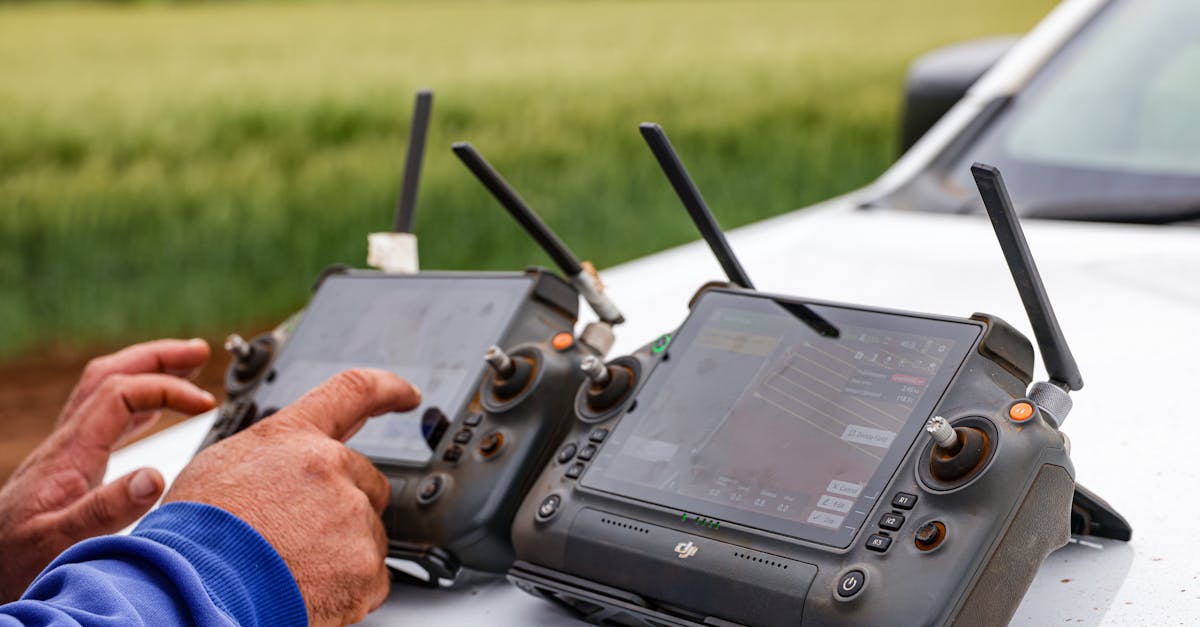
Hardware Focus: The Netra-80 and Netra IR variants are designed for long-endurance missions. The thermal imaging capabilities are critical for detecting hotspots in electrical substations and solar panels. Unlike consumer drones, these units utilize ruggedized frames to withstand dust and moderate wind conditions common in Indian construction zones.
India Availability: Fully available through domestic channels. This reduces customs delays and ensures local serviceability.
Approximate Pricing: The Netra series typically ranges from ₹15,00,000 to ₹35,00,000 depending on the payload configuration. This landed cost includes the airframe, controller, and standard battery packs. High-end thermal pods may increase the cost by an additional 15-20%.
Operational Reality: ideaForge drones are known for their compatibility with DGCA registration systems (Digital Sky Platform). For infrastructure firms, this reduces administrative overhead. However, proprietary controllers mean operators must be trained on the specific flight interface, which differs from standard consumer drones.
Skydio: Autonomy and Autonomous Deployment
Skydio, based in San Francisco, is a global competitor known for its Skydio X2 and X2D models. Their value proposition is autonomous flight capability, specifically in GPS-denied or complex environments.
Shipping Status: Shipped. The X2 and X2D have been in production for several years.
Hardware Focus: The X2D features a 360-degree obstacle avoidance system and a 12x optical zoom camera. It is designed to fly autonomously around assets, mapping them in 3D. This reduces the skill level required for the pilot, shifting focus to mission planning.
India Availability: This is the critical differentiator. Skydio does not manufacture in India. Importing these units requires navigating DGCA import permissions and potential export control restrictions (EAR) due to their autonomous nature.
Approximate Pricing: The Skydio X2D retails for approximately $15,000 USD. With Indian import duties (IGST at 18% plus Customs Duty at 10-20% depending on classification), the landed cost in India can exceed ₹15,00,000 to ₹18,00,000. This price point often excludes specialized maintenance contracts required for high-utilization fleets.
Operational Reality: While the autonomy is robust, the supply chain is offshore. Repairs often require shipping units back to the US or to a regional hub, leading to downtime. For continuous infrastructure monitoring, this logistics lag is a significant risk factor.
Infrastructure Use Cases: Power, Solar, and Civil
The drone market is not monolithic. Different infrastructure sectors have different pain points.
Power Transmission Lines: Thermal imaging is non-negotiable. Conductors heat up due to overload or loose connections. ideaForge's thermal payload is optimized for this. Skydio offers precision but at a higher logistical cost.
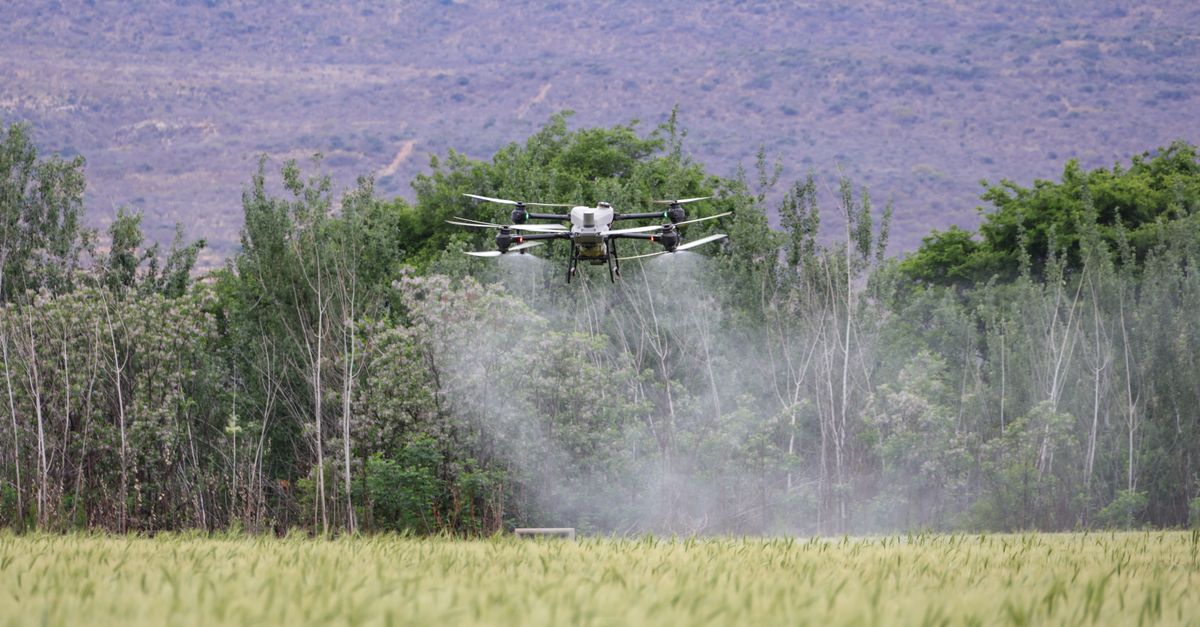
Solar PV Farms: Hotspot detection is the primary requirement. Both systems can perform this, but the net cost per acre is lower with locally serviced hardware. ideaForge units are favored for large-scale solar parks in Rajasthan and Telangana due to service availability.
Civil Engineering & Bridges: Visual inspection of concrete cracks requires high-resolution cameras and close-proximity flight. Autonomous flight (Skydio) reduces risk here by keeping the pilot further away, but line-of-sight regulations in India still require a pilot to be present and ready to intervene.
Regulatory and Economic Reality in India
Operating drones in India is governed by the Digital Sky Platform (DSP) and the Drone Rules, 2021. Importing drones requires specific NOCs from the DGCA.
Import Duties: The government has increased import duties on drones and components to boost Make in India. This artificially inflates the landed cost of foreign hardware like Skydio.
Insurance: Third-party insurance is mandatory. For commercial inspection, liability coverage is higher. This adds 5-8% to the annual operational cost.
Maintenance: For imported drones, spare parts availability is a major concern. Manufacturers often require a minimum annual spend to maintain service contracts. Local manufacturers like ideaForge typically offer lower maintenance thresholds.
Conclusion: Shipping Units Define the Market
The inspection drone market in India is maturing. The shift from hype to hardware is evident in the deployment of ideaForge units in power corridors and the cautious adoption of Skydio units in specialized pilot projects.
For infrastructure owners, the decision matrix is clear. If the focus is on cost-efficiency, local serviceability, and regulatory speed, domestic options like ideaForge offer a lower total cost of ownership. If the focus is on extreme autonomy in complex environments and budget is secondary, Skydio offers proven technology, albeit with supply chain risks.
As of 2024, the trend favors hardware that ships and stays in the country. Pilots should verify serial numbers and export compliance before procurement to avoid regulatory bottlenecks.
✓ Key takeaways
- •Hands-on view of Infrastructure Inspection Drones in India: Shipping Reality vs. Spec Sheet Claims inside our Inspection Drones library.
- •Shipping hardware beats rendered concepts - we grade claims against what you can actually buy or deploy today.
- •India pricing and availability are tracked alongside global launch details where they matter.
References
Related articles
More in Inspection Drones →