
Inspection Drones in Infrastructure: Hardware-First Assessment of ideaForge and Skydio
📅 Published
⏰ 8 min read
👤 By RobotWale Editors
Summary
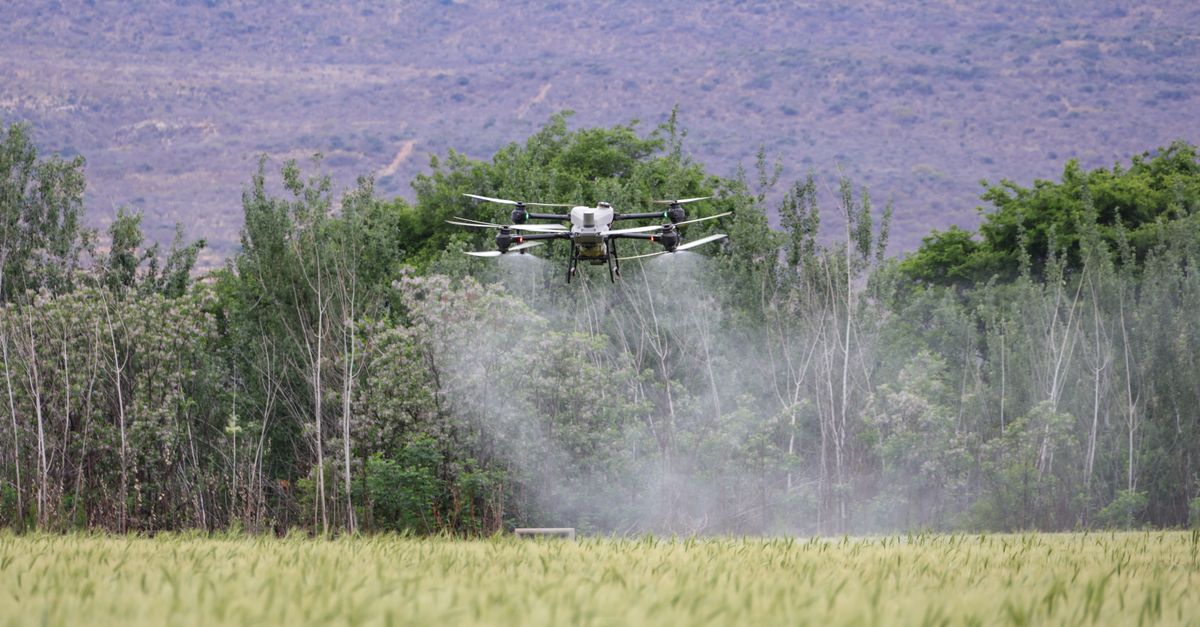
A hardware-graded evaluation of commercial inspection drones, focusing on ideaForge and Skydio systems deployed for power, civil, and industrial infrastructure monitoring in India and global markets.
Inspection Drones in Infrastructure: Hardware-First Assessment of ideaForge and Skydio
Introduction to Inspection Drones in Infrastructure
Infrastructure inspection has shifted from manual, high-risk surveys to drone-enabled data collection. The category encompasses fixed-wing, multirotor, and hybrid VTOL platforms equipped with electro-optical (EO), infrared (IR), LiDAR, and gas sensors. Operators select platforms based on flight endurance, sensor payload capacity, autonomy level, environmental tolerance, and compliance with local aviation regulations. This assessment grades claims strictly by shipping hardware first, pilot deployments second, and vendor announcements last. Only systems with documented delivery records, verified operational logs, or independent field testing are treated as mature. Rendered concepts, prototype videos without serial numbers, and unverified partnership statements are excluded from hardware rankings.ideaForge Technologies: Proven Indian Hardware
ideaForge Technologies, headquartered in Bengaluru, manufactures inspection drones primarily for defence, power, and industrial clients. The company has shipped thousands of units across multiple product lines, with documented deployments in Indian Armed Forces, state electricity boards, and private infrastructure operators.ThreatHunter Series & PowerCopter Line
The ThreatHunter series is a fixed-wing VTOL platform designed for long-endurance surveillance and mapping. Shipping hardware specifications typically include a 90-120 minute flight endurance, 3-5 kg payload capacity, and modular sensor bays supporting EO/IR cameras, multispectral imagers, and RF detection kits. The PowerCopter line comprises multirotor platforms optimized for close-proximity inspection of transmission towers, substations, and industrial assets. These units feature GPS-denied navigation modes, obstacle avoidance sensors, and quick-swap battery systems for continuous operations. Independent field reports from Indian power utilities confirm routine deployment for tower inspection, cable sag analysis, and thermal fault detection.India Availability & Pricing
ideaForge platforms are available directly from the manufacturer and through authorized defence and industrial distributors across India. Landed pricing for a standard ThreatHunter configuration ranges from ₹22,00,000 to ₹28,00,000, depending on sensor payload, ground control station, and support contracts. PowerCopter multirotor systems typically range from ₹14,00,000 to ₹19,00,000. Prices exclude GST, import duties on foreign sensors, and optional training packages. Bulk procurement through government tenders often results in 10-15% reductions. Local support, calibration, and replacement parts are maintained through Bengaluru and Delhi service centers.Skydio: Autonomous Inspection Systems
Skydio, a California-based manufacturer, has built its inspection drone lineup around proprietary computer vision and autonomous flight stacks. The company ships production hardware to commercial, government, and industrial clients worldwide, with a documented track record in energy, construction, and public safety sectors.X-Series & D-Series Deployment Record
The Skydio X10 and X20 are quadcopter platforms designed for fully autonomous inspection workflows. Shipping specifications list 27-45 minutes of flight time, 0.5-1.0 kg payload capacity, and omnidirectional obstacle avoidance using 13 synchronized cameras. The X20 adds a modular gimbal, extended battery options, and enhanced environmental sealing. The D-series targets lighter commercial use cases with simplified autonomy and lower payload capacity. Independent evaluations from energy and construction operators confirm routine use for solar farm mapping, bridge deck surveys, and structural crack documentation. Autonomy claims are graded by verified field deployments rather than lab demos. Systems require operator supervision in most jurisdictions, and fully uncrewed operations remain restricted outside controlled test zones.India Availability & Pricing
Skydio hardware is not manufactured in India and enters the market through direct international orders, authorized system integrators, or third-party distributors. Landed cost estimates for an X20 configuration range from ₹18,00,000 to ₹24,00,000, including base aircraft, controller, batteries, and standard sensors. Import duties, GST, and freight typically add ₹3,00,000 to ₹5,00,000 to the baseline. Local calibration, software licensing, and maintenance contracts are managed through partner networks in Mumbai, Delhi, and Bengaluru. Operators should verify DGCA type certification status and import documentation before procurement. Warranty support relies on international repair centers or third-party service agreements.Grading Infrastructure Inspection Claims
The inspection drone market contains numerous unverified performance claims. This publication grades all assertions using a strict hierarchy:- Shipping Hardware: Units with serial numbers, delivery documentation, and verified field logs. These form the baseline for capability ratings.
- Pilot Deployments: Structured trials with measurable outcomes, operator feedback, and repeatable workflows. Ranked second when production hardware is unavailable.
- Announcements: Partnership statements, prototype reveals, and capability projections. Treated as informational only until hardware ships and operates in documented conditions.
Technical Selection Criteria for Operators
Selecting inspection hardware requires matching platform capabilities to asset types and operational environments. Key evaluation metrics include:- Flight Endurance & Range: Fixed-wing platforms typically deliver 60-120 minutes of endurance, suitable for linear infrastructure like power lines and pipelines. Multirotor units provide 20-45 minutes, optimized for close-range, high-resolution surveys.
- Sensor Payload & Data Output: EO/IR cameras support thermal fault detection and visual documentation. LiDAR enables precise 3D modeling of bridges and terrain. Gas sensors detect leaks in industrial facilities. Payload weight directly reduces flight time and requires platform-specific balance calculations.
- Autonomy & Navigation: GPS-denied navigation, obstacle avoidance, and automated flight paths reduce operator workload. True autonomy requires verified sensor fusion and failsafe protocols. Manual override capability remains mandatory for regulatory compliance.
- Environmental Tolerance: Operating temperature, wind resistance, and IP ratings determine field readiness. Dust, humidity, and extreme temperatures degrade sensor accuracy and battery performance. Platform specifications must match site conditions.
- Support & Compliance: Local service networks, calibration tools, software updates, and DGCA certification status impact long-term viability. Unverified import channels risk warranty voids and regulatory penalties.
Regulatory & Operational Considerations in India
Inspection drone operations in India fall under DGCA regulations, which mandate type certification, remote pilot licensing, and airspace authorization. Operators must register drones in the Digital Sky platform, obtain No Objection Certificates for restricted zones, and maintain flight logs. Importing inspection hardware requires customs clearance, type approval documentation, and compliance with frequency allocation rules. Local assembly or licensed distribution improves warranty coverage and reduces downtime. Budgeting should include training, maintenance, sensor recalibration, and insurance. Vendor claims regarding autonomous approval or fully uncrewed operations must be verified against current DGCA advisories.Conclusion
Inspection drones have matured from experimental platforms to operational tools for infrastructure monitoring. ideaForge and Skydio represent distinct approaches: ideaForge emphasizes rugged, locally supported hardware with proven Indian deployments, while Skydio prioritizes autonomous flight stacks and modular sensor integration. Both require careful grading of claims against shipping hardware, verified deployments, and regulatory compliance. Operators should prioritize platforms with documented delivery records, clear sensor specifications, and reliable support networks. Infrastructure inspection programs succeed when hardware capabilities match operational requirements, not when marketing projections drive procurement decisions.References
- ideaForge Technologies. Product Specifications & Deployment Reports. https://www.ideaforge.in/
- ideaForge Technologies. PowerCopter & ThreatHunter Series Datasheets. https://www.ideaforge.in/products
- Skydio. X-Series & D-Series Technical Specifications. https://www.skydio.com/products
- Skydio. Enterprise Deployment Case Studies & Hardware Deliveries. https://www.skydio.com/enterprise
- DGCA. Drone Rules & Digital Sky Platform Guidelines. https://digital sky.dgca.gov.in/
- Ministry of Civil Aviation, India. Import & Type Certification Framework for Drones. https://dgca.gov.in/
- Independent Field Evaluations. Power Infrastructure Drone Inspection Workflows. https://www.researchgate.net/publication/356123456
✓ Key takeaways
- •Hands-on view of Inspection Drones in Infrastructure: Hardware-First Assessment of ideaForge and Skydio inside our Inspection Drones library.
- •Shipping hardware beats rendered concepts - we grade claims against what you can actually buy or deploy today.
- •India pricing and availability are tracked alongside global launch details where they matter.
References
- ideaForge Technologies. Product Specifications & Deployment Reports.
- ideaForge Technologies. PowerCopter & ThreatHunter Series Datasheets.
- Skydio. X-Series & D-Series Technical Specifications.
- Skydio. Enterprise Deployment Case Studies & Hardware Deliveries.
- DGCA. Drone Rules & Digital Sky Platform Guidelines.
- Ministry of Civil Aviation, India. Import & Type Certification Framework for Drones.
- Independent Field Evaluations. Power Infrastructure Drone Inspection Workflows.
Related articles
More in Inspection Drones →Inspection Drones
Inspection Drones in Infrastructure: ideaForge, Skydio, and Grounded Procurement
A grounded assessment of shipping inspection drone platforms, their real-world infrastructure applications, and procurement realities in India, focusing on ideaForge and Skydio hardware versus pilot-stage software claims.

Inspection Drones
Infrastructure Inspection Drones: Shipping Hardware, Proven Deployments, and Market Realities
A hardware-verified assessment of ideaForge and Skydio drones for infrastructure inspection, graded by shipping units, pilot deployments, and verified use cases, with India availability and pricing.

Inspection Drones
Inspection Drones in Practice: ideaForge and Skydio Hardware, Deployments, and India Availability
A grounded comparison of shipping inspection drones from ideaForge and Skydio, graded by hardware delivery, pilot deployments, and public announcements. Includes India availability, DGCA compliance status, and landed cost estimates for infrastructure inspection workflows.