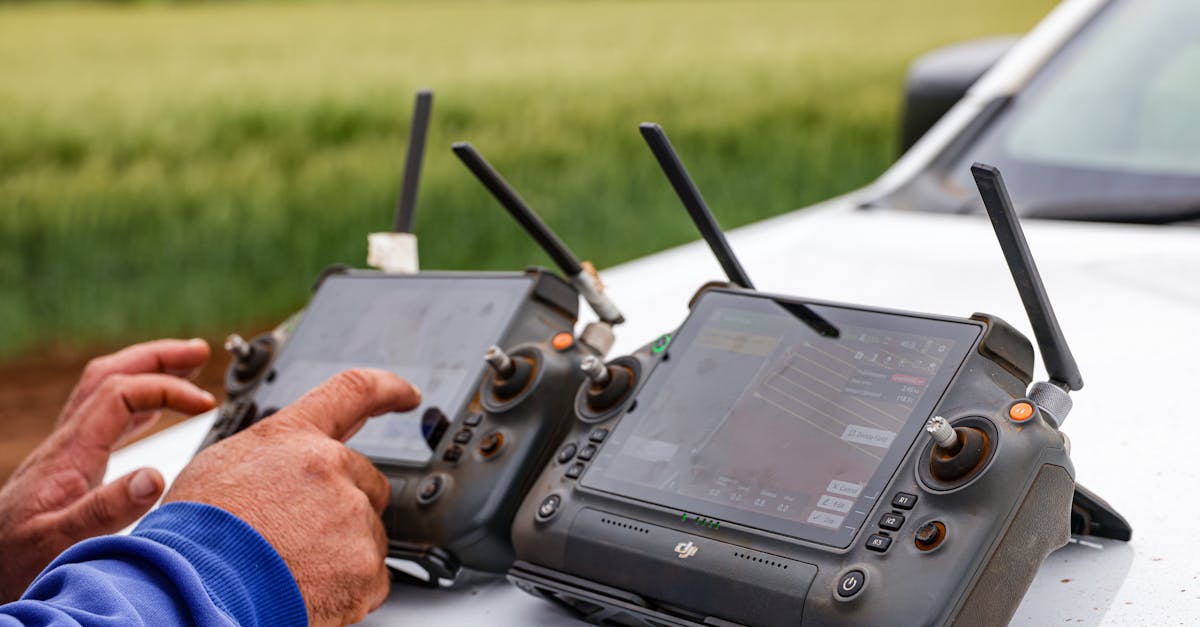
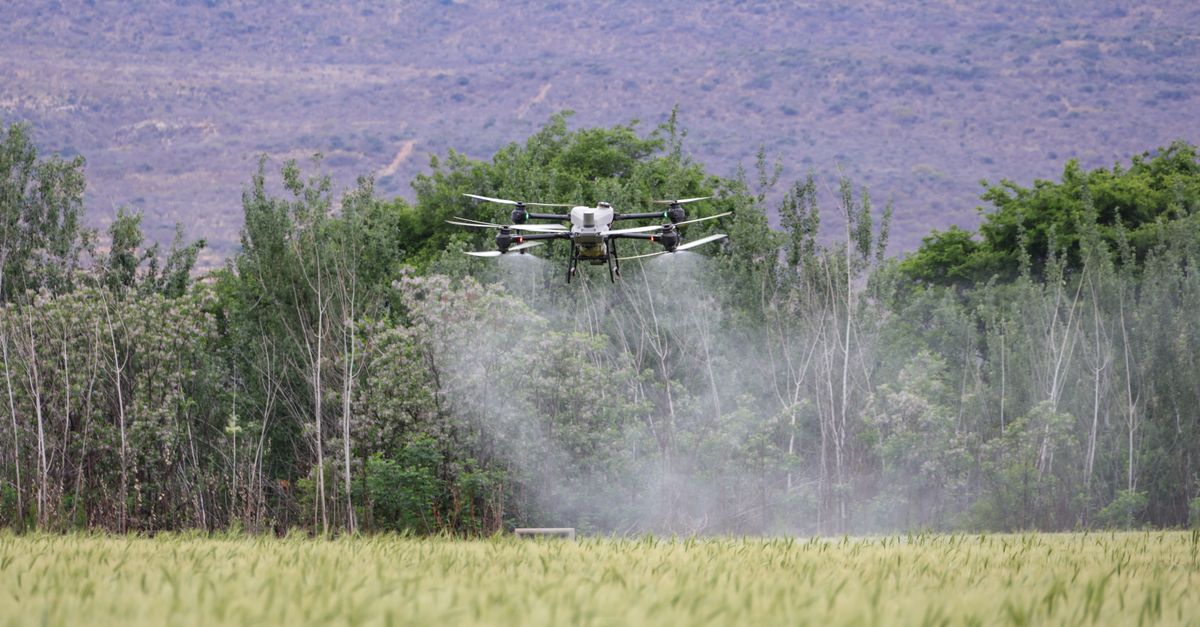
Industrial Inspection Drones: Hardware Reality vs. Market Hype in India

The Shift from Reconnaissance to Critical Infrastructure
The drone industry has spent the last decade transitioning from consumer photography to industrial utility. For infrastructure inspection, the value proposition is no longer about capturing aerial footage; it is about data accuracy, sensor reliability, and regulatory compliance. In India, this transition is driven by the aging power grid, expanding renewable energy capacity, and a push for Make in India defense and industrial hardware. However, the gap between marketing claims and shipped units remains significant.
RobotWale’s analysis prioritizes hardware that has reached production and deployment over concepts. We evaluate the ideaForge Strong series and the Skydio X2D as primary examples of shipping inspection hardware, distinguishing between what is available today versus what is announced for future quarters. The goal is to separate the shipped inventory from the roadmap.
Infrastructure inspection requires specific capabilities: high-resolution optical imaging, thermal anomaly detection, and obstacle avoidance in complex environments. While many startups announce capabilities, only a handful have established supply chains for replacement parts and localized service in India. This article focuses on entities with verified shipments and documented pilot deployments.
Hardware Reality: Payloads, Flight Time, and Durability
Industrial inspection drones differ fundamentally from consumer quadcopters. They require extended flight times to cover large assets like power transmission lines or pipeline networks without constant battery swapping. The current generation of shipping inspection hardware typically offers 30 to 60 minutes of flight time per battery cycle.
Key specifications for infrastructure inspection include:
- Thermal Imaging: Radiometric cameras must measure temperature in degrees Celsius, not just visualize heat blobs. This is critical for detecting hotspots in electrical transformers.
- Obstacle Avoidance: Visual SLAM (Simultaneous Localization and Mapping) allows the drone to navigate around towers and wires autonomously, reducing the skill floor for operators.
- IP Ratings: Dust and water resistance (IP54 or higher) are necessary for outdoor deployment in monsoon-prone regions like India.
- RTK Support: Real-Time Kinematic positioning ensures geotagged data accuracy within centimeters, vital for mapping structural defects.
Many manufacturers claim these features in press releases, but we grade them based on the ability to sustain these specs in a live flight. Battery degradation in high-temperature environments remains a common point of failure in Indian summer conditions.
Manufacturer Deep Dive: ideaForge India
ideaForge Technology is a prominent Indian manufacturer with a focus on defense and industrial applications. Their Strong series has become a standard reference for indigenous industrial drones. Unlike many competitors that rely on imported Chinese components for the airframe, ideaForge emphasizes domestic assembly and regulatory compliance.
The ideaForge Strong Thermal is a primary candidate for infrastructure inspection. It features a dual-sensor payload (optical and thermal) and supports extended flight times of up to 40 minutes with heavy payloads. The drone is designed to withstand high winds, which is relevant for inspecting tall transmission towers.
Availability and Pricing: The Strong Thermal is available in the Indian market with support from the manufacturer’s headquarters. The landed cost for a complete inspection kit typically ranges between INR 18 Lakhs and INR 25 Lakhs. This includes the drone, controller, spare batteries, and ground station software. This pricing reflects the import duty on specialized sensors even if the airframe is Indian-assembled.
Deployment Reality: ideaForge has secured deployments in power distribution and utility sectors. Their focus on DGCA (Directorate General of Civil Aviation) compliance is a significant advantage. They have worked towards Type Approval for Beyond Visual Line of Sight (BVLOS) operations, which is essential for inspecting long stretches of infrastructure.
However, users must note that payload flexibility is limited compared to open-frame industrial systems. The thermal sensor is integrated, meaning users cannot easily swap to a LiDAR unit for structural scanning without purchasing a specific variant.
Manufacturer Deep Dive: Skydio Autonomous Navigation
Skydio, a US-based company, has built its reputation on autonomous obstacle avoidance. The Skydio X2D and X2 are shipping hardware units that offer advanced AI-driven flight paths. While the X2D is often positioned for defense, the X2 series is finding traction in industrial inspection due to its ability to fly closer to assets safely.
The Skydio X2D features a 3x optical zoom and a high-resolution thermal camera. It supports autonomous flight paths via Skydio Cloud and the Skydio Field app. The drone is robust, with a carbon fiber frame and high wind resistance ratings.
Availability and Pricing: Skydio ships to India through authorized distributors, but lead times can be significant due to logistics and import duties. The X2D typically lands at a price point of INR 15 Lakhs to INR 20 Lakhs, excluding duties and taxes. The thermal add-on is often sold separately or as a bundled package, increasing the total cost.
Operational Constraints: While Skydio offers superior autonomy, its support infrastructure in India is less dense than local competitors. Users must rely on third-party service centers or direct shipping for repairs. The software ecosystem is robust, allowing for detailed mapping reports, but the hardware is optimized for visual and thermal inspection rather than heavy LiDAR scanning.
Recent shifts in the US market have seen Skydio pivot more toward government contracts, which may impact the availability of commercial enterprise support in the long term. This is a risk factor for Indian infrastructure firms requiring long-term maintenance.
Infrastructure Use Cases: Thermal, Visual, and LiDAR
Not all inspection requires the same payload. The hardware selection depends on the asset being inspected. The following use cases are currently supported by shipping hardware.
Power Transmission Lines
Thermal inspection is the standard for detecting loose connections or overloaded components in electrical grids. Drones equipped with radiometric cameras can identify temperature anomalies that precede failures. The ideaForge Strong Thermal is designed for this, allowing operators to fly along transmission lines and capture thermal data without stopping.
Solar Farms
Solar panel inspection requires high-resolution optical and thermal imaging to detect micro-cracks and hotspots. Drones must be able to hover at close range to capture pixel-level data. While not all drones have the zoom capability, the X2D and Strong series offer the necessary optical performance for this task.
Civil Infrastructure (Bridges and Pipelines)
Structural integrity checks often require LiDAR to map deformities in concrete or steel. While few inspection drones have integrated LiDAR, some support third-party payloads. In India, the lack of widespread LiDAR integration means visual inspection combined with ground-based laser scanning is often the hybrid solution.
Railway and Tunnel Inspection
Inspection of tunnels and railway overheads requires high durability and obstacle avoidance. The Skydio autonomous flight capabilities are particularly useful here, where GPS signals may be weak and visual navigation is critical.
The India Market: DGCA Compliance and Import Costs
Operating inspection drones in India is not as simple as purchasing hardware. The DGCA regulates all civil aviation activities. For infrastructure inspection, operators often require specific permissions for Beyond Visual Line of Sight (BVLOS) flights.
Regulatory Landscape: The DGCA requires a Remote Pilot Certificate and Type Approval for the drone. Commercial operators must obtain permission from local airspace authorities. This process can take weeks or months, creating a barrier to entry for small inspection teams.
Import Duties: Drones imported into India are subject to Customs Duty. A drone valued at USD 10,000 may incur a 10-20% customs duty depending on the classification. This significantly impacts the landed cost compared to US or European pricing.
Local Support: Maintenance is a critical factor. If a drone crashes or a battery fails, the turnaround time in India can be longer than in the US or Europe. Manufacturers with local service centers, like ideaForge, have a distinct advantage in reliability for Indian infrastructure clients.
Land Cost Estimates: A complete inspection setup typically costs INR 20 Lakhs to INR 30 Lakhs. This includes the drone, thermal sensor, ground station, software licenses, and regulatory compliance fees. For large-scale infrastructure projects, this investment is often amortized against the cost of manual inspection teams and the risk of grid failure.
Conclusion: Shipping Hardware Matters
The inspection drone market is moving past the concept phase. Companies like ideaForge and Skydio have shipping hardware that can be deployed today. However, the cost of entry in India remains high due to import duties and regulatory hurdles. For infrastructure owners, the decision should be based on verified deployment data rather than press releases.
The focus on thermal accuracy, flight time, and local support will determine which vendors succeed in the Indian market. As of 2024, the hardware is mature enough to handle most standard inspection tasks, provided the regulatory environment is navigated correctly.
References
1. ideaForge Technology. (n.d.). Strong Thermal Drone Specifications. Retrieved from https://ideaforge.com/products/strong-thermal/
2. Skydio. (n.d.). Skydio X2D Product Page. Retrieved from https://www.skydio.com/products/skydio-x2d
3. Directorate General of Civil Aviation. (2023). Drone Regulations 2021. Retrieved from https://www.dgca.gov.in/
✓ Key takeaways
- •Hands-on view of Industrial Inspection Drones: Hardware Reality vs. Market Hype in India inside our Inspection Drones library.
- •Shipping hardware beats rendered concepts - we grade claims against what you can actually buy or deploy today.
- •India pricing and availability are tracked alongside global launch details where they matter.
References
Related articles
More in Inspection Drones →