Inspection Drones: ideaForge, Skydio, and the Reality of Infrastructure Monitoring
The Shift from Surveillance to Verification
In the rapidly evolving landscape of unmanned aerial systems (UAS), the narrative has shifted decisively from recreational photography to mission-critical enterprise operations. Among these, inspection drones have emerged as the most commercially viable segment, particularly within India’s expanding infrastructure sector. The promise is clear: replace dangerous human climbing with autonomous or semi-autonomous aerial data collection. However, the reality often diverges from marketing brochures. At RobotWale, we grade claims by shipping hardware first, pilot deployments second, and announcements last. This analysis focuses on two distinct market players: India-based ideaForge and US-based Skydio, examining their utility for infrastructure inspection against the backdrop of current regulatory and economic realities.
ideaForge: The Domestic Contender
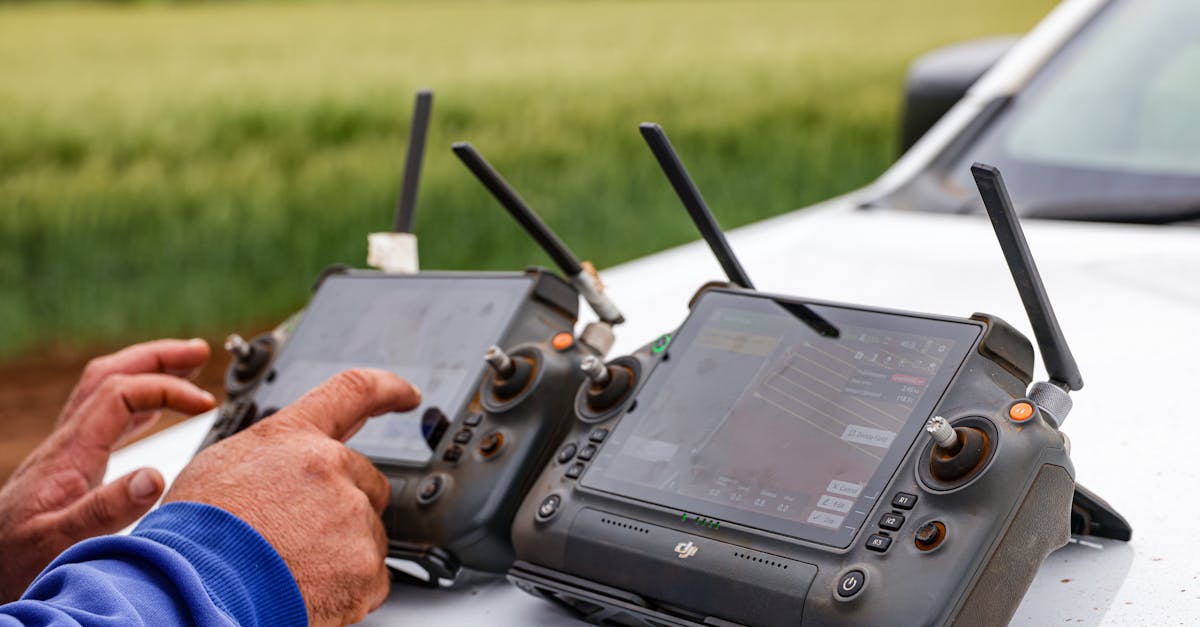
ideaForge Technology, headquartered in Bangalore, represents the strongest case for localized deployment in India. Unlike many global competitors that treat India as an afterthought in their supply chain, ideaForge leverages its domestic manufacturing base to navigate DGCA (Directorate General of Civil Aviation) import duties and regulatory hurdles. Their flagship product for inspection, the Neo XA, is a quadcopter designed for surveillance but frequently repurposed for infrastructure checks.
The Neo XA offers a payload capacity of approximately 100 grams for thermal or standard cameras, though this limits the size of high-end sensors it can carry. For thermal inspection of electrical substations or power lines, the drone relies on a third-party thermal add-on module rather than an integrated sensor, which is a critical distinction. This modular approach reduces weight but increases setup time in the field. Battery life is rated at approximately 30 minutes under optimal conditions, which translates to roughly 15 minutes of active flight time when carrying a payload. For large-scale infrastructure projects, such as a 50-kilometer transmission line, this necessitates frequent landings and battery swaps, impacting operational efficiency.
Regarding availability, the Neo XA is widely available in the Indian market. Pricing for the unit, including a standard camera payload, typically ranges between ₹3.5 lakhs and ₹4.5 lakhs (INR), depending on the configuration and dealer margins. When thermal payloads are included, the landed cost can approach ₹6 lakhs. While this is higher than consumer-grade alternatives like the DJI Mavic series, it remains competitive within the enterprise sector given the lack of import duties on domestic manufacturing. The company claims a transmission range of up to 7 kilometers, though real-world line-of-sight (LOS) operations in India often cap this at 2-3 kilometers due to signal interference in urban environments.
Skydio: Autonomy and the Import Barrier
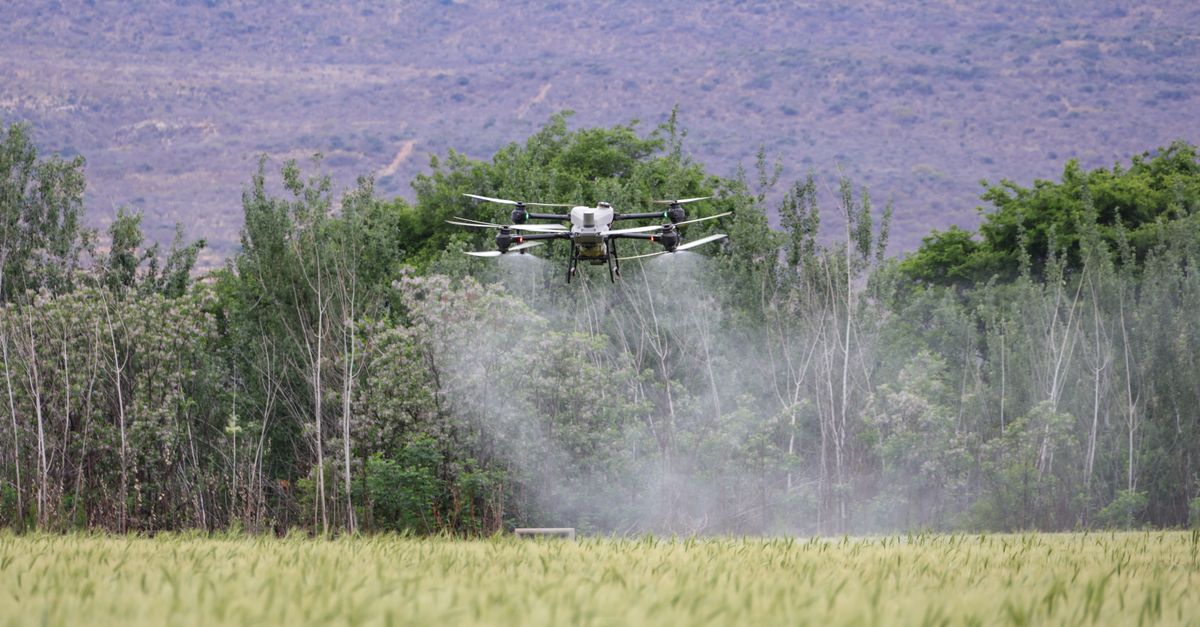
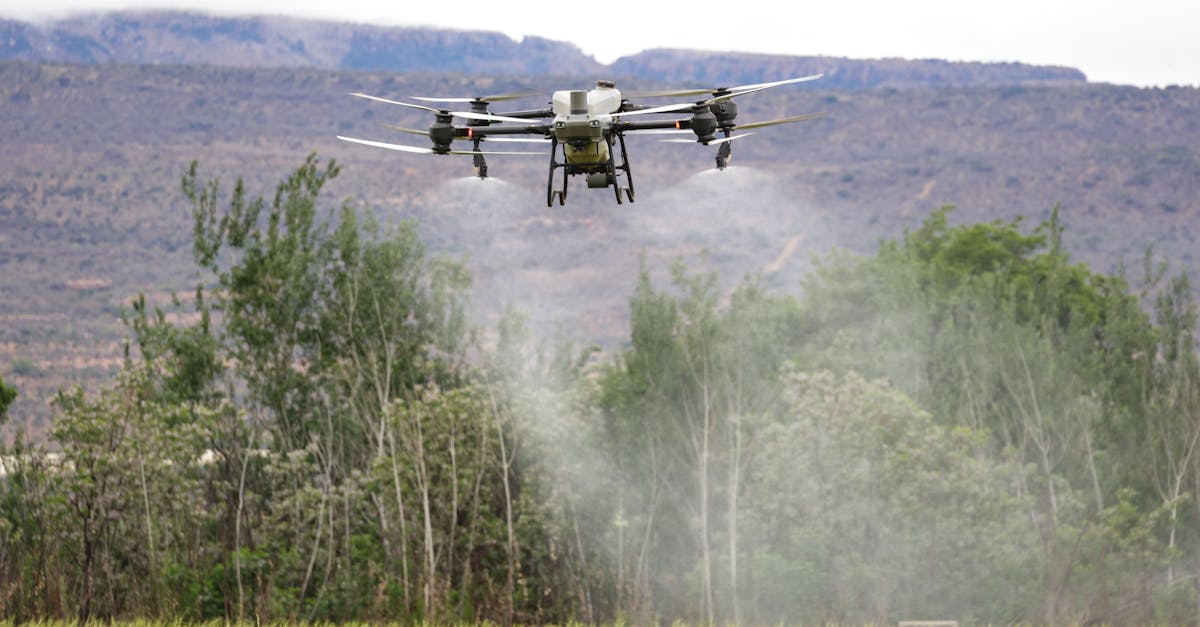
Skydio, a California-based manufacturer, represents a different value proposition: advanced autonomous flight capabilities. The Skydio X2 is a quadcopter designed for industrial inspection with a focus on obstacle avoidance. Unlike the manual control emphasis of many regional drones, the X2 utilizes AI-driven navigation to fly through complex environments, such as dense solar farms or bridge understructures, without constant pilot intervention.
The hardware specifications are robust. The X2 features a 6-axis gimbal with a 48MP 360-degree panoramic camera and a 20x optical zoom. This allows for high-resolution inspection of structural cracks or thermal anomalies from a safe distance. However, the availability of this hardware in India presents a significant hurdle. Skydio’s primary markets are North America and Europe. Export controls and the complexity of importing high-end drones with advanced autonomy algorithms into India often require extensive licensing or result in prohibitively high costs. The unit price in the US hovers around $9,000 to $10,000. With India’s import duties on drones (often exceeding 100% on specific high-tech categories), the landed cost would likely exceed ₹15 lakhs, placing it out of reach for many mid-sized Indian contractors.
Furthermore, while Skydio offers superior autonomy, the data processing is often localized to the controller rather than the drone itself, requiring a robust internet or 4G/5G connection for cloud processing in some configurations. In India, where connectivity in remote infrastructure zones (like hill stations or rural power lines) is spotty, this dependency can render the system less reliable than a locally controlled alternative. While the technology is superior on paper, the ecosystem support in India remains limited compared to domestic options.
Infrastructure Inspection Applications
Despite the hardware differences, the application of these drones in infrastructure inspection follows a similar framework. The primary use cases currently validated in the field include thermal imaging for electrical faults, visual inspection for structural degradation, and mapping for construction progress.
Thermal Imaging: Power transmission lines and substations generate heat when anomalies occur. Both ideaForge (with add-ons) and Skydio can detect these thermal hotspots. However, for this to be actionable, the drone must maintain a stable hover near high-voltage equipment. The regulatory environment in India restricts flight near critical infrastructure without specific NOCs (No Objection Certificates). Therefore, the drone’s capability is often secondary to the legal clearance.
Visual Inspection: For bridges and solar farms, visual clarity is paramount. The Skydio X2’s 20x optical zoom offers a tangible advantage here, allowing inspectors to zoom in on specific cracks from a distance. The ideaForge Neo XA, while capable of 30x digital zoom, suffers from image degradation at higher magnifications. For a 100 MW solar plant, a fleet of drones is often deployed to cover the area in a single shift. The battery cycle time becomes the bottleneck; with 30-minute flights, a single pilot might manage 10 hectares per day, whereas a specialized heavy-lift drone might manage double that.
Pipelines and Energy: Inspecting pipelines for leaks is another growing sector. Thermal cameras are essential here to detect gas leaks or heat signatures associated with corrosion. Neither drone is a dedicated pipeline inspection tool, but both are adaptable. The limitation remains the flight time and the inability to operate in heavy wind conditions, which are common near open infrastructure sites.
Market Reality: Pricing and ROI
The decision to adopt inspection drones over traditional manual methods rests on Return on Investment (ROI). Let’s look at the numbers. A manual inspection of a 100km power line might require a team of 10 technicians, safety harnesses, and 3-5 days of work. The cost here includes labor, logistics, and safety risks. Using a drone reduces the team to one or two certified pilots.
However, the drone cost must be amortized. Taking the ideaForge Neo XA at ₹5 lakhs and the Skydio X2 at ₹18 lakhs (fully imported), the ROI varies significantly. For a mid-sized Indian contractor, the ₹5 lakh entry point is viable, provided the equipment is utilized across multiple projects. The Skydio X2, at nearly ₹20 lakhs, requires a higher utilization rate to justify the expense. This is why we see more adoption of domestic options like ideaForge or DJI in the Indian power sector.
Operational costs must also be factored in. Batteries degrade over time. A typical LiPo battery cycle life is around 300-500 cycles. For a fleet of 5 drones, this means replacing batteries annually at an additional cost of ₹50,000 to ₹100,000. Training is another hidden cost. DGCA regulations now require Remote Pilot Certification for commercial operations in India. This course costs approximately ₹15,000 per person and takes several weeks. Therefore, the cost of flying an inspection drone is not just the hardware, but the compliance ecosystem surrounding it.
Regulatory Constraints in India
The regulatory landscape for drones in India, governed by the DGCA, remains a gatekeeper for widespread adoption. The Digital Sky Platform requires registration of every drone and every pilot. For inspection work, especially near infrastructure, the “No Permission No Takeoff” (NPNT) protocol is mandatory. This adds a layer of administrative friction to what is marketed as a "quick deployment" solution.
Additionally, Beyond Visual Line of Sight (BVLOS) operations are heavily restricted. While the Skydio X2 is marketed for autonomous flight, BVLOS requires specific waivers from the DGCA. Most infrastructure inspection currently happens within VLOS (Visual Line of Sight) limits, which restricts the drone to 120 meters from the operator. This limits the scale of data collection per flight. If the drone must fly 1 kilometer away to safely inspect a line, it cannot legally do so without a waiver. This constraint effectively caps the efficiency of even the most advanced autonomous hardware.
Furthermore, the prohibition on importing drones with certain AI capabilities has slowed the entry of specialized inspection models. While the government pushes for drone manufacturing in India (PLI Scheme), the import restrictions on high-tech components create a lag between global innovation and local availability. This is why the ideaForge model, with its domestic assembly, has a competitive edge in the current market structure.
Conclusion: The Ground Truth
Inspection drones are not a silver bullet. They are a tool that requires specific hardware, regulatory compliance, and operational planning to deliver value. In India, the choice between ideaForge and Skydio depends on the balance between autonomy and cost. The ideaForge Neo XA offers a pragmatic, cost-effective solution for standard thermal and visual inspections, with a clear supply chain and lower regulatory friction. The Skydio X2 offers superior autonomy and imaging but comes with a price tag and import barrier that may not make financial sense for most Indian infrastructure projects today.
For investors and operators, the focus should be on hardware that is currently shipping and supported by a local service network. Speculative hardware announcements or concepts that have not flown in India should be ignored until they appear on the ground. As the PLI scheme matures and regulatory frameworks for BVLOS evolve, the landscape will shift. Until then, the grounded reality favors robust, locally supported hardware over high-tech imports with limited service support.
References
- ideaForge Technology Official Website. "Neo XA Specifications." https://www.ideaforge.com/products/neo-xa
- Skydio Official Website. "Skydio X2 Product Page." https://www.skydio.com/products/skydio-x2
- Digital Sky Platform (DGCA). "UAS Registration and Pilot Certification." https://www.dgca.gov.in
- Ministry of Civil Aviation. "Drone Rules 2021." https://www.ministryofcivilaviation.gov.in
✓ Key takeaways
- •Hands-on view of Inspection Drones: ideaForge, Skydio, and the Reality of Infrastructure Monitoring inside our Inspection Drones library.
- •Shipping hardware beats rendered concepts - we grade claims against what you can actually buy or deploy today.
- •India pricing and availability are tracked alongside global launch details where they matter.
References
Related articles
More in Inspection Drones →