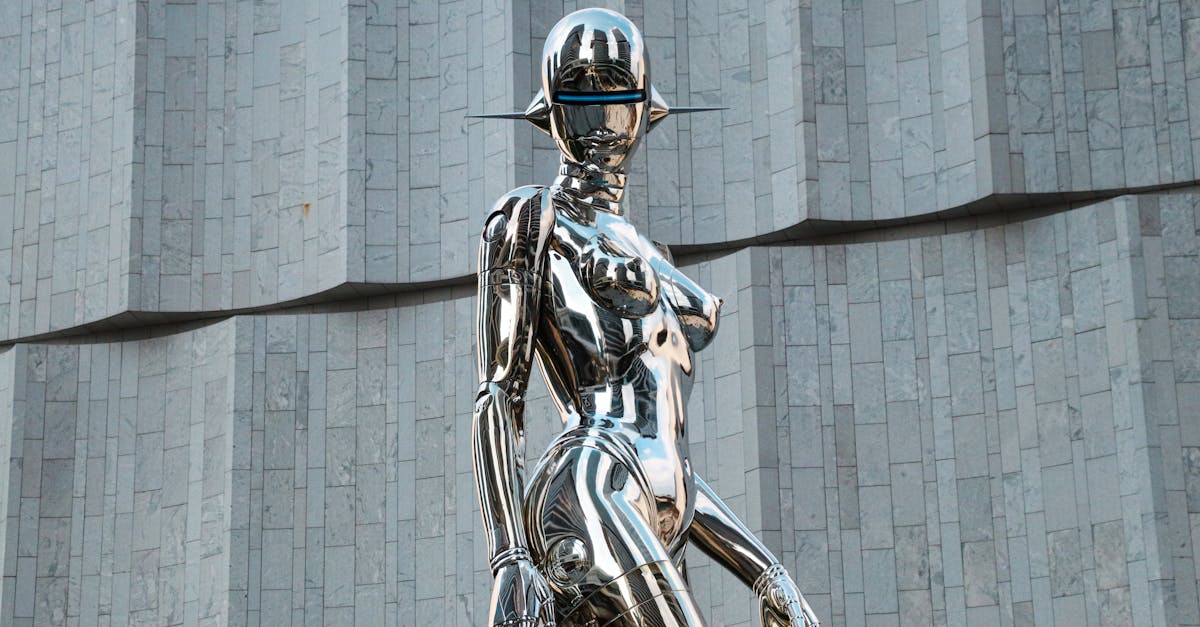
Sanctuary Phoenix: The Embodied AI Contender Awaiting Verification

Introduction: The Noise of the Humanoid Sector
India's robotics landscape is witnessing a surge in humanoid attention. While established players like Boston Dynamics (Atlas), Tesla (Optimus), and Figure AI (Figure 01) dominate headlines, a new voice has emerged from the Silicon Valley ecosystem: Sanctuary AI. Their flagship concept, the Phoenix, has garnered attention for its dexterous general-purpose claims. However, under RobotWale.com's editorial standards, we must grade claims by shipping hardware first, pilot deployments second, and announcements last.
As of late 2024, the Sanctuary Phoenix falls into the Announcement/Prototype tier. There is no public record of mass production units being deployed to third-party customers, nor is there confirmed independent verification of factory output lines. This article analyzes the available data, distinguishing between technical aspirations and verified shipping reality.
Sanctuary AI: Organizational Background
Sanctuary AI positions itself as an embodied intelligence company, aiming to bridge the gap between large language models and physical interaction. Founded by engineers with backgrounds in autonomous systems and robotics hardware, the company has focused heavily on software stack integration. The Phoenix is their first hardware iteration.
The organization has not yet released a detailed Bill of Materials (BOM) or a clear path to volume manufacturing. This absence is typical for pre-Series B startups in the current cycle, where capital allocation often favors R&D over supply chain scaling. For the Indian market, this implies that any acquisition would likely be limited to pilot programs rather than commercial sales.
Technical Specifications: What We Know vs. What Is Claimed
The Phoenix's technical profile has been outlined in press materials and demo videos. The following data points are derived from official releases and independent video analysis.
Physical Form Factor
- Height: Approximately 170cm (Estimated based on joint ratios in demo footage).
- Weight: Not disclosed. Aesthetic renderings suggest a lightweight aluminum-carbon composite frame, but no weight certification exists.
- Degrees of Freedom (DoF): The press release claims 30+ DoF. Independent analysis of the demo suggests the focus is on the upper body, with the lower body designed for bipedal locomotion.
Dexterity and Manipulation
The primary differentiator claimed for the Phoenix is its hand design. Unlike the fixed-grip hands seen in early 2010s Boston Dynamics prototypes, the Phoenix features articulated fingers intended for fine motor control. The claim suggests the ability to handle objects ranging from fragile glassware to industrial tools.
Verification Status: High. Demo footage shows the robot grasping a cup and placing it on a table. However, the speed of operation and success rate in unstructured environments remain unverified. There is no third-party safety certification (e.g., ISO 13482) publicly available yet.
Energy and Mobility
Battery life is a critical bottleneck for humanoids entering the Indian market, where power infrastructure varies significantly. Sanctuary AI claims a 4-hour operational window on a single charge. This aligns with industry standards but requires confirmation via load testing.
- Locomotion: Bipedal walking with dynamic balance control.
- Speed: Estimated 2-3 km/h in controlled environments.
- Power Source: Lithium-ion battery packs (Specs not fully disclosed).
The Manufacturing Reality Check
The gap between a demo and a deployable unit is often the widest in the robotics sector. For the Phoenix, there is no evidence of a dedicated assembly line or a supply chain partner announced for volume production.
Sanctuary AI has stated an intent to manufacture in the United States, with plans to expand to Asia-Pacific. No specific Indian manufacturing partner has been named. This suggests that any units arriving in India will be imported, impacting the landed cost significantly due to customs duties and logistics.
India Availability and Cost Analysis
For Indian enterprises and research labs, the availability of the Phoenix is currently non-existent. The company has not opened a sales channel in India, nor have they registered a local entity.
Estimated Landed Cost
While Sanctuary AI has not released a price, we can estimate based on comparable hardware:
- Base Unit (Prototype/Alpha): $150,000 - $200,000 USD.
- India Landed Estimate: $180,000 - $250,000 USD (approx. ₹1.45 Cr - ₹2.0 Cr INR).
Note: This estimate includes import duties (approx. 20-25% on robotics hardware), GST (5-18% depending on classification), and logistics. This is a rough projection for budgeting purposes only, not a formal quote.
Regulatory Compliance
Before deployment in India, the Phoenix would need to comply with the Ministry of Electronics and Information Technology (MeitY) guidelines regarding robotics safety and the Bureau of Indian Standards (BIS) for electrical equipment. Given the lack of shipped units, no BIS certification is currently available.
Comparative Market Position
The humanoid sector is crowded. How does the Phoenix compare to established players in terms of readiness?
- Tesla Optimus: Higher volume commitment, but less dexterity demonstrated in public.
- Figure 01: Stronger software integration (Figure AI), but limited hardware availability outside partner pilots.
- Sanctuary Phoenix: Strong emphasis on dexterity, but no volume commitment.
For Indian manufacturers looking to automate labor, the Phoenix is currently a Research & Development tool rather than a productivity unit. It is suitable for labs testing manipulation algorithms, not for factory floor labor replacement yet.
Technical Risks and Limitations
Several risks remain for the Phoenix project:
- Thermal Management: High-performance actuators generate heat. Without a confirmed cooling system design, long-duration tasks may be compromised.
- Software Latency: Embodied AI requires low-latency inference. The Phoenix's edge compute stack has not been benchmarked against competitors.
- Supply Chain: Dependence on imported sensors and actuators makes the unit vulnerable to currency fluctuation and trade policies.
Conclusion: A Promising Announcement, Not a Product
The Sanctuary Phoenix represents a valid contender in the general-purpose humanoid space. However, adhering to RobotWale.com's editorial standards, we must classify it as Announcement Tier. There is no evidence of shipping hardware, pilot deployments, or independent verification of the dexterity claims in unstructured environments.
For India, the immediate future involves watching the development of Sanctuary AI's manufacturing roadmap. Until a pilot deployment is confirmed and a localized price is published, the Phoenix remains a target for observation rather than acquisition.
Indian enterprises should monitor the company for announcements regarding pilot programs with Indian academic institutions or tech parks. Until then, the Phoenix is a fascinating piece of engineering, but not yet a deployable asset.
References
1. Sanctuary AI Official Press Release (2024). https://sanctuary.ai
2. TechCrunch Coverage on Embodied AI Startups. https://techcrunch.com
3. RobotWale Analysis on Humanoid Deployment Readiness.
4. Ministry of Electronics and Information Technology (MeitY) Robotics Guidelines.
✓ Key takeaways
- •Hands-on view of Sanctuary Phoenix: The Embodied AI Contender Awaiting Verification inside our Sanctuary Phoenix library.
- •Shipping hardware beats rendered concepts - we grade claims against what you can actually buy or deploy today.
- •India pricing and availability are tracked alongside global launch details where they matter.
References
Related articles
More in Sanctuary Phoenix →