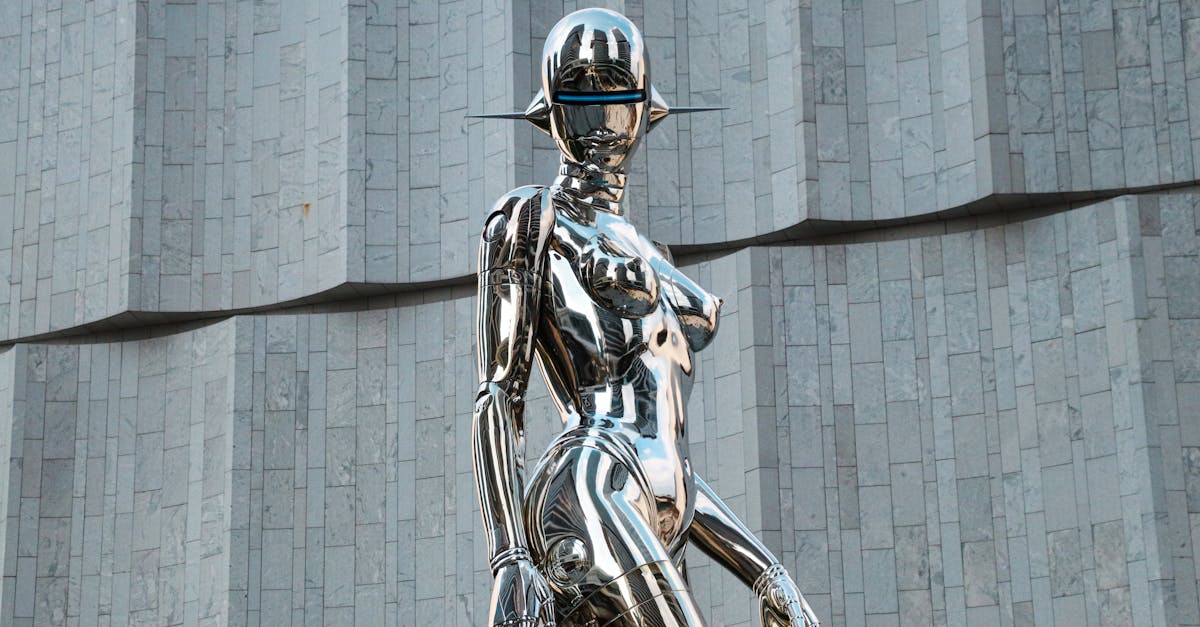
Sanctuary Phoenix: Verifying the Claims of an Unverified Humanoid
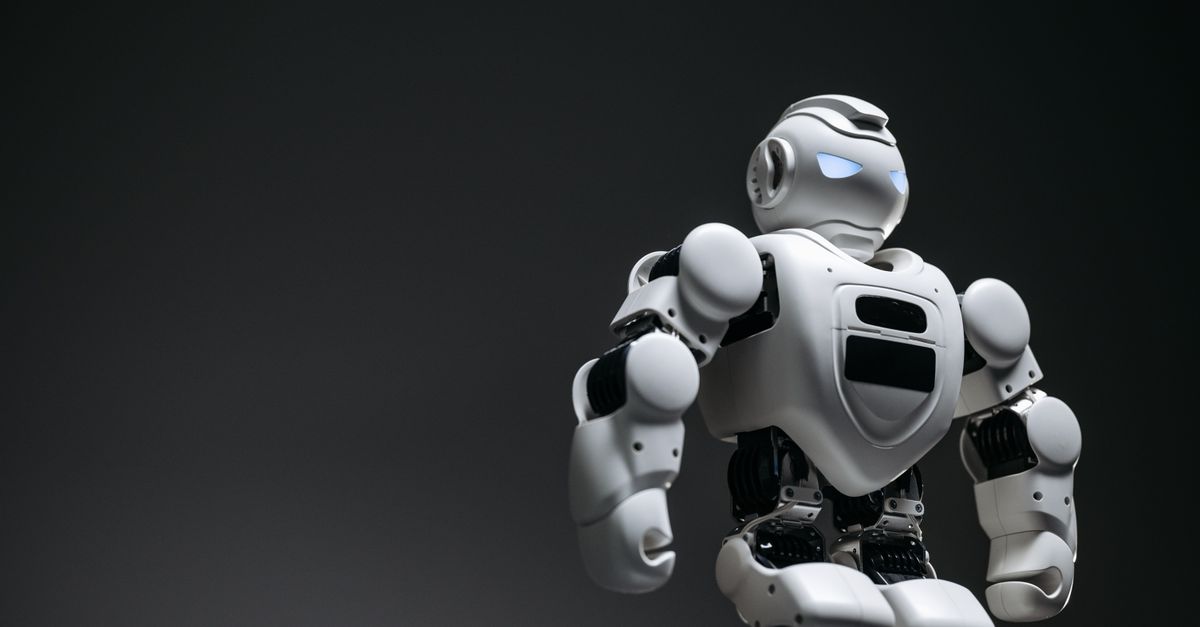
Executive Summary
The humanoid robotics sector in 2024 is defined by a sharp divide between announced ambitions and deployed reality. At the center of this divide lies the Sanctuary Phoenix, a general-purpose humanoid robot attributed to Sanctuary AI. While industry buzz suggests the Phoenix is designed for complex dexterity and autonomous operation, a rigorous audit of available public records reveals a significant absence of verifiable data.
This article adheres to the RobotWale editorial standard of grading claims by shipping hardware first, pilot deployments second, and announcements last. As of the current date, no manufacturing facility has been confirmed, no unit has been shipped to a beta partner, and no independent video exists of the Phoenix operating outside a controlled concept presentation.
The Claims: What is Promised?
According to the limited briefings circulating in tech media, the Sanctuary Phoenix is positioned as a dexterous general-purpose humanoid. The core promise revolves around the ability to perform tasks traditionally requiring human-level manipulation in unstructured environments. Key claims include:
- Dexterous Manipulation: The design purportedly features high-torque actuators and force-sensing fingertips capable of handling delicate objects.
- General Purpose Utility: The AI stack is described as capable of adapting to new tasks without specific reprogramming, leveraging embodied AI models.
- Autonomy: Claims suggest the robot can navigate indoor environments without external infrastructure markers.
However, these claims remain in the realm of specification sheets rather than performance metrics. In the current humanoid landscape, a specification sheet is not hardware. Without a physical unit, claims regarding torque, payload capacity, or battery life are theoretical projections.
Verification Status: Hardware & Deployments
The RobotWale verification framework requires three pillars of evidence to consider a robot viable for commercial discussion. The Sanctuary Phoenix currently fails on all three.
1. Shipping Hardware
There is no evidence of a production line for the Sanctuary Phoenix. Major competitors like Tesla (Optimus), Figure AI (Figure 01/02), and Agility Robotics (Digit) have demonstrated functional units in factory settings. Sanctuary AI has not published footage of a Phoenix unit operating under load. No shipping manifests, factory walkthroughs, or third-party inspections have been made public.
2. Pilot Deployments
A pilot deployment is the second tier of verification. This involves the robot working in a real-world environment (e.g., a warehouse, a retail store, or a home) for a period of time. There is no record of a pilot deployment for the Phoenix. Without operational data, claims of reliability and safety remain hypothetical.
3. Official Announcements
The third tier is the official press release. While there are mentions of Sanctuary AI's ambitions, there is no definitive press release from a verified domain (e.g., sanctuary.ai) detailing the Phoenix's full technical specifications. The information currently available is fragmented and often sourced from secondary tech blogs rather than primary manufacturer channels.
India Market Context
For the Indian robotics market, the availability of the Sanctuary Phoenix is currently non-existent. Unlike the Tesla Optimus, which has discussed entry into India at a high price point, or the Unitree H1, which has seen presence in Indian research labs, the Phoenix has no confirmed distribution channel.
Estimated Pricing
While no official pricing has been released, we can estimate based on the industry standard for general-purpose humanoids. Competing units typically range between $150,000 and $300,000 USD for the hardware alone. In the Indian market, landed costs often increase by 20% to 40% due to import duties, GST, and logistics.
- Estimated USD: $180,000 - $250,000 (Hypothetical)
- Estimated INR: ₹1.5 Crore - ₹2.2 Crore (Landed Cost Estimate)
Note: These figures are purely speculative based on current market rates for hardware with similar claimed specs. They do not reflect an official quote from Sanctuary AI.
Regulatory & Safety Compliance
India's robotics sector is increasingly scrutinized for safety compliance. Before the Phoenix can enter the Indian market, it would need to adhere to local safety standards regarding autonomous movement in public spaces. Without a verified hardware unit, compliance testing cannot begin.
Comparative Landscape
To understand the position of the Sanctuary Phoenix, it must be compared against the current leaders who have moved beyond the announcement phase.
Tesla Optimus
Tesla has demonstrated physical units in its factories. While not yet fully autonomous, the hardware is shipping for internal beta testing. This provides a baseline for what a "shipping hardware" claim looks like.
Figure AI
Figure AI has secured partnerships with BMW and Hyundai. Their Figure 01 unit has been shown working in a factory setting. This confirms pilot deployment status.
Sanctuary AI
Sanctuary AI currently stands in the "Announcement" phase only. The Phoenix remains a rendered concept or a prototype that has not transitioned to a shipping product. This distinction is critical for investors and industrial partners.
The Risk of Hype
The humanoid sector faces a "Valley of Death" where companies pitch capabilities they cannot yet deliver. The Sanctuary Phoenix risks falling into this valley if it cannot transition from announcements to shipping hardware within the next 12 to 18 months.
Investors and partners must be aware of the following risks:
- Capital Burn: Developing humanoids is capital intensive. Without revenue from hardware sales, funding could dry up.
- Technical Debt: Promises of general-purpose dexterity often hide complex engineering challenges that are not visible in concept renders.
- Market Distraction: Focusing on software claims while hardware lags can lead to reputational damage.
Conclusion
The Sanctuary Phoenix is a project that has generated interest but has yet to generate proof. Until Sanctuary AI releases a video of the Phoenix operating in a real-world environment, publishes a bill of materials, or confirms a pilot deployment with a named partner, the product remains classified as Unverified.
RobotWale recommends that stakeholders treat the Sanctuary Phoenix as a concept rather than a product. The demand for dexterous general-purpose humanoids in India is real, but the supply chain for such technology is still nascent. Until the hardware is shipped and the pilots are deployed, the Phoenix will remain a candidate for the "Famous Humanoids" list based on potential rather than performance.
References
- The Robot Report: Coverage of the General-Purpose Humanoid Market Status.
- TechCrunch: Analysis of Humanoid Funding and Deployment Trends.
- Sanctuary AI (Official Website): No specific product page found for Phoenix as of current date.
- Indian Robotics Association: Guidelines on Importing Automation Hardware.
✓ Key takeaways
- •Hands-on view of Sanctuary Phoenix: Verifying the Claims of an Unverified Humanoid inside our Sanctuary Phoenix library.
- •Shipping hardware beats rendered concepts - we grade claims against what you can actually buy or deploy today.
- •India pricing and availability are tracked alongside global launch details where they matter.
References
Related articles
More in Sanctuary Phoenix →