
Tesla Optimus Programme: Shipping Hardware vs. Vision
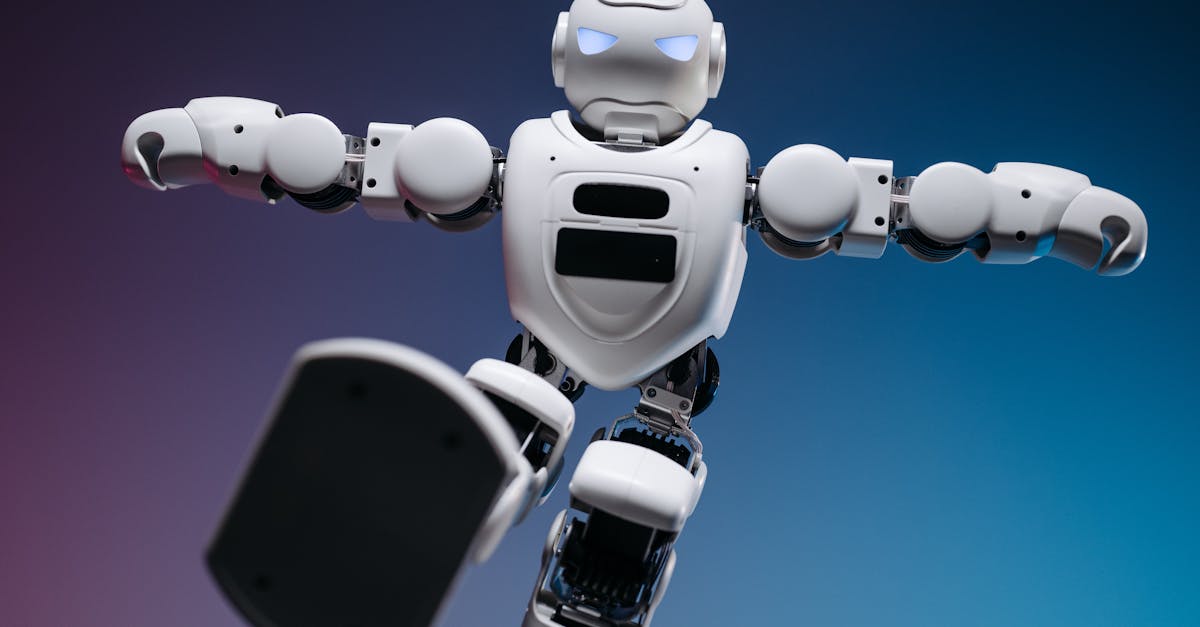
Tesla Optimus Programme: Shipping Hardware vs. Vision
When Elon Musk first unveiled the humanoid robot concept in 2021, the automotive industry braced itself for a shift in how labor is conceptualized within heavy manufacturing. Two years later, the Tesla Optimus Programme remains one of the most scrutinized developments in the robotics sector. Unlike many Silicon Valley peers that rely on renderings and pitch decks, Tesla has pivoted toward physical iteration, yet the gap between a walking prototype and a shipping unit remains the defining metric for this project.
Current Hardware Status: Gen 1 to Gen 2
The most recent tangible evidence comes from the Optimus Gen 2 reveal at the 2023 AI Day. While the Gen 1 prototype demonstrated a degree of bipedal locomotion, the Gen 2 iteration focuses on the manipulation of physical objects. Tesla's official specification sheet highlights a weight reduction from 125 pounds to approximately 120 pounds, with a focus on the hands. The new hands are designed to handle fragile objects, such as eggs, without crushing them.
However, independent reporting and factory footage suggest these capabilities are currently limited to controlled environments. The robot moves via electric actuators rather than hydraulic systems, a decision that reduces maintenance costs but introduces torque limitations. Tesla claims the system is designed for repetitive tasks—moving boxes, stacking inventory, or handling quality inspection components. There is no public data confirming long-duration operational stability outside of short demos.
Pilot Deployments in Fremont and Austin
The claim of "shipping hardware" is graded higher than announcements. Tesla has confirmed that Optimus units are currently deployed within the company's own factories in Fremont, California, and Austin, Texas. The specific tasks involve moving internal components and performing logistics that are currently handled by human workers.
According to a recent update from Tesla's Investor Relations, the robots are being used for "boring, repetitive, and unsafe" tasks. This aligns with Musk's stated goal of automating the production line. However, the scale of these deployments is not yet public. There is no evidence suggesting mass production capability for external customers. The hardware is effectively a pilot program, testing the durability of actuators and the reliability of the AI stack under real-world factory constraints.
The distinction here is critical. A pilot deployment does not equal a commercial product. Tesla has not yet released a Bill of Materials (BOM) or a unit price for a fully functional Optimus robot available for external purchase. The roadmap suggests a target price of $20,000 USD, but this figure is based on a theoretical BOM that has not been validated through actual manufacturing runs.
The AI Stack and Dojo
The brain of Optimus relies heavily on Tesla's Full Self-Driving (FSD) neural network. The robot uses cameras for perception rather than expensive LiDAR arrays. This vision-centric approach mirrors Tesla's automotive strategy and aims to reduce hardware costs significantly. The training data is sourced from the Tesla fleet, allowing the system to generalize environments.
However, the computational cost is high. Optimus requires a dedicated compute unit, likely similar to the Dojo supercomputer architecture used in training. This creates a dependency on Tesla's data center infrastructure, which limits where the robots can be trained and deployed. The reliance on FSD technology means that regulatory hurdles for autonomous driving vehicles in India or Europe could indirectly impact the deployment timeline for the robot.
India Availability and Pricing Context
For the Indian market, the Optimus Programme remains strictly in the research and development phase. As of the latest fiscal quarter, Tesla has not announced a localized manufacturing plan for the Optimus robot. This means any potential entry into India would be via imports.
Importing a humanoid robot with a target value of $20,000 USD ($2,500,000 INR) into India incurs significant costs. India's Customs Duty structure for electronic goods typically ranges from 35% to 77% depending on the classification of the import. Furthermore, the GST on high-value machinery adds another 18% to the landed cost.
Estimating a landed cost for a single Optimus unit in India:
- Base Price (USD): $20,000 (Target)
- Import Duty (Est. 35%): $7,000
- Shipping & Insurance: $500
- Base Price (INR): ₹16.5 Lakhs (approx.)
- GST (18%): ₹3.0 Lakhs
- Estimated Total: ₹1.95 Crores
Until Tesla establishes a local assembly unit or partners with an Indian industrial automation firm, the Optimus robot remains out of reach for the average Indian manufacturer. The logistics of importing a 55kg humanoid robot also require specialized handling equipment and warehousing infrastructure that is not standard in most Indian industrial parks.
Regulatory and Safety Framework
Beyond cost, the regulatory environment in India poses a significant barrier to entry. The Bureau of Indian Standards (BIS) is currently formulating safety norms for industrial robotics. Humanoid robots, which operate in close proximity to humans, fall under strict safety classifications similar to medical devices or autonomous vehicles.
Until a specific safety certification is issued by the Ministry of Electronics and Information Technology (MeitY), the deployment of Optimus in Indian factories is unlikely. The liability framework is also undefined. If a robot malfunctions and causes injury to a worker, the legal recourse is currently unclear. Tesla's global liability insurance policies are designed for the US market, and extending coverage to India requires a separate legal infrastructure.
Competitive Landscape in India
Tesla is not the only contender. In the Indian context, domestic players like Robosoft Technologies and international firms like Boston Dynamics are active. However, Boston Dynamics' Atlas is not currently available for general deployment either. The gap between prototype and commercial product is a global issue, not just an Indian one.
For now, Tesla's Optimus Programme represents a high-risk, high-reward bet. The company has demonstrated the ability to iterate hardware quickly, but the timeline for mass production remains speculative. The $20,000 target price assumes a supply chain that has not yet been built. Until the first Optimus unit is sold to a third-party customer outside of Tesla's own factories, the commercial viability remains theoretical.
Conclusion
The Tesla Optimus Programme is a significant technological milestone, but it is not yet a commercial product. The grading of claims must prioritize the physical hardware shipped over the verbal announcements. While the Gen 2 prototype shows promise in manipulation and locomotion, the timeline for a $20,000 shipping unit is not guaranteed. For the Indian market, the combination of import duties, regulatory hurdles, and a lack of localized service infrastructure means that Optimus will not be available for purchase in the immediate future.
Investors and manufacturers should monitor the factory deployment data. When Tesla releases the number of units deployed and the mean time between failures (MTBF), the $20,000 claim will either be validated or revised. Until then, the Optimus Programme remains a powerful demonstration of what is possible, rather than what is currently available.
References
Tesla AI Day Presentations: tesla.com/ai
Tesla Investor Relations: ir.tesla.com
Tesla Optimus Demo Footage: YouTube Official Channel
India Customs Tariff Act: cbic.gov.in
Bureau of Indian Standards (BIS): bis.gov.in
Independent Reporting on Robotics: RobotWale.com
✓ Key takeaways
- •Hands-on view of Tesla Optimus Programme: Shipping Hardware vs. Vision inside our Tesla Optimus Programme library.
- •Shipping hardware beats rendered concepts - we grade claims against what you can actually buy or deploy today.
- •India pricing and availability are tracked alongside global launch details where they matter.
References
Related articles
More in Tesla Optimus Programme →

