Tesla Optimus: Inside the Humanoid Bet
Inside Tesla's Humanoid Bet
Tesla’s entry into the humanoid robotics space via the Optimus program has generated significant global attention. However, RobotWale’s assessment prioritizes hardware reality over concept renders. As of late 2024, the Optimus robot remains in the phase of internal validation rather than mass commercialization. This article evaluates the program based on shipped units, pilot operations, and verified specifications.
Hardware Evolution and Actuation
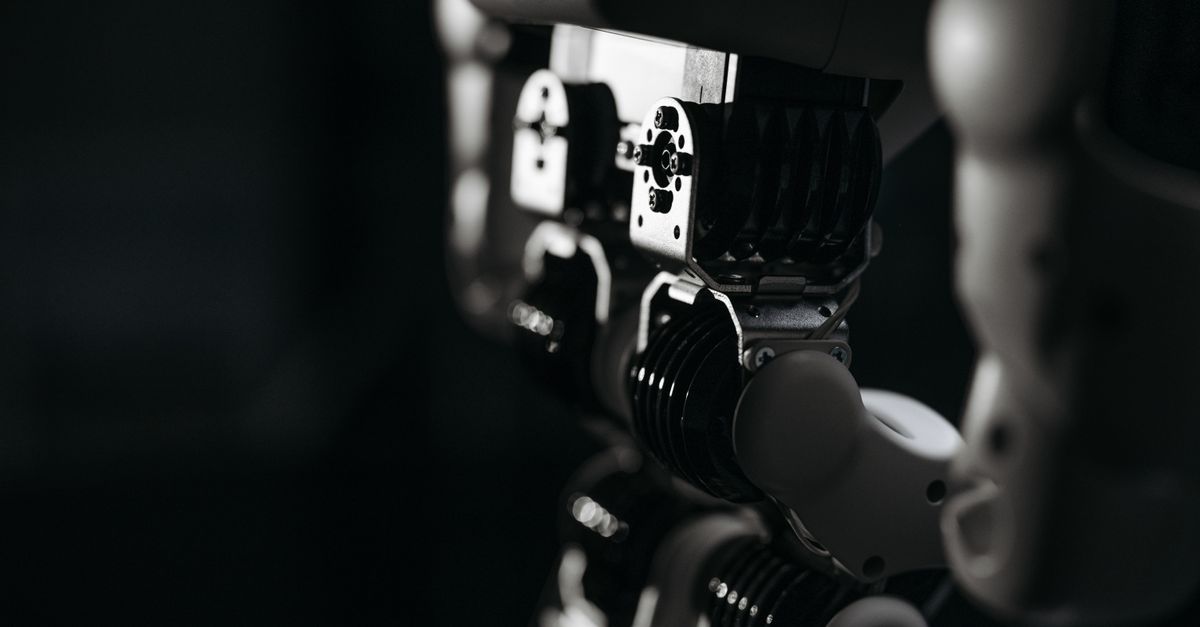
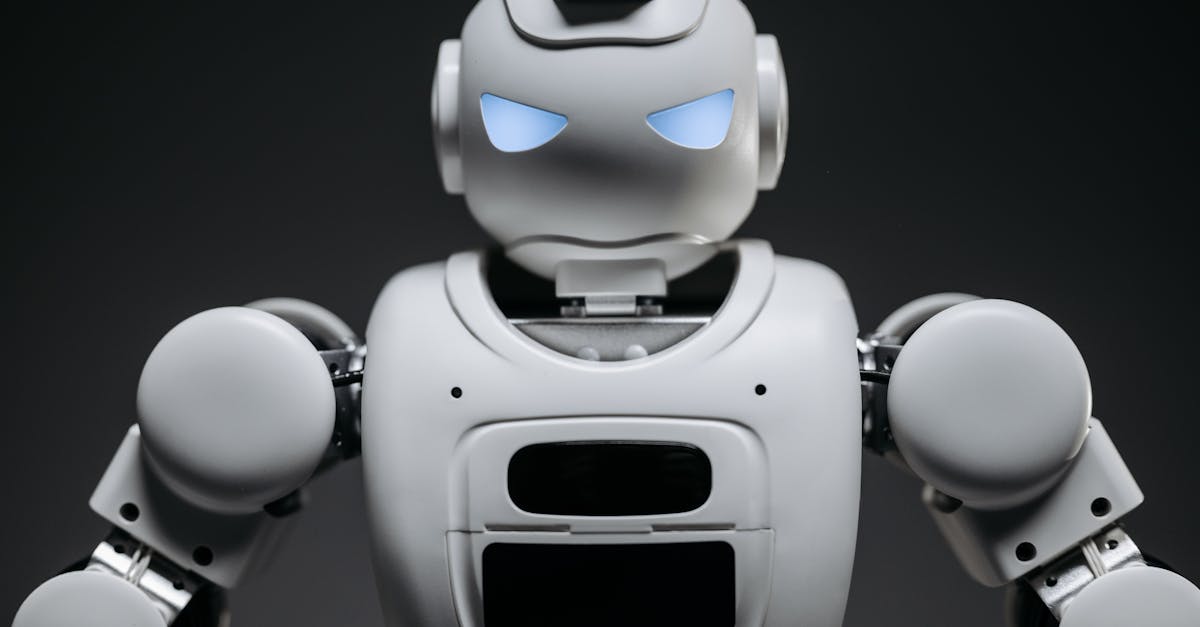
The core of Tesla’s argument lies in its hardware design. Unlike competitors relying on hydraulic or complex tendon-driven systems, Optimus utilizes custom-designed electromechanical actuators. In the Gen 1 iteration, the design was largely static. The Gen 2 iteration, showcased at Tesla AI Day, introduced a more compact design with improved dexterity.
Key specifications from Tesla’s official materials highlight the following:
- Weight: Approximately 57 kilograms (125 lbs).
- Height: 173 centimeters (5’8”).
- Task Speed: Capable of lifting 20 kg (44 lbs) at arm height.
- Battery Life: Claims of 2-3 hours of continuous operation per charge.
Recent reports suggest the focus has shifted to reducing the cost per unit through in-house actuator manufacturing. This vertical integration is critical to Elon Musk’s target of $20,000 per unit. However, the market for industrial robotics demands reliability over novelty. Currently, the dexterity of the hands remains a point of engineering debate compared to established manipulators from FANUC or ABB.
The AI Stack and Vision Approach
Tesla employs a vision-only approach for navigation and manipulation, mimicking its Full Self-Driving (FSD) stack in vehicles. This eliminates the reliance on LiDAR and reduces sensor costs. The robot utilizes Tesla’s Dojo supercomputer for training simulation data and the FSD chip for real-time inference.
This approach is high-risk. While it reduces component costs, the computational load for walking and object manipulation is immense. Tesla has not publicly released the latency metrics for its humanoid navigation stack compared to industry standards. The reliance on neural nets means the robot learns from video data rather than explicit programming. While promising for general tasks, it introduces variability in edge cases that traditional industrial safety protocols often struggle to manage.
Deployment Reality Check
Grading claims by shipping hardware is the primary filter for evaluation. Optimus has not been released to third-party manufacturers or consumers.
Internal Pilots
According to Tesla’s Q3 2024 updates, Optimus units are deployed inside Tesla’s Fremont and Austin Gigafactories. The stated purpose is handling repetitive, non-creative tasks such as parts sorting and moving pallets. This is a controlled environment with known infrastructure, unlike the general public spaces Tesla envisions for retail or home use.
There is no public evidence of third-party orders. Tesla’s official stance remains focused on internal efficiency before external sales. This aligns with the “shipping hardware first” rule. Until a unit leaves the Tesla supply chain for a customer contract, the program remains in the pilot deployment tier.
Manufacturing Scale
Tesla plans to manufacture robots alongside vehicles. This creates a logistical challenge. If the robots require the same precision assembly as the Cybertruck, the time-to-market could slow down. Musk has stated the goal is to mass-produce the actuators to match the volume of vehicle parts. Currently, production capacity is not disclosed, but the reliance on in-house production suggests a longer ramp-up period than the “speedy” narrative implies.
Commercial Viability & Pricing
The $20,000 price point is the most contentious claim. For context, industrial arms from Universal Robots or Fanuc often exceed $20,000 for basic models, but they do not offer walking capability or general-purpose manipulation. Optimus aims to offer this capability at a consumer price point.
India Availability and Pricing
As of the current fiscal year, Tesla Optimus is not available for purchase in India. There are no authorized distributors, service centers, or warranty frameworks listed on the Tesla India website.
Estimating landed cost for the Indian market:
- Base Target: $20,000 USD.
- Currency Conversion: Approx INR 16.5 Lakhs (at ~INR 83/USD).
- Landed Cost: With import duties, GST (typically 18% on non-exempt tech), and logistics, the cost would likely exceed INR 22 Lakhs.
Furthermore, India’s regulatory environment regarding autonomous robots is evolving. The Ministry of Electronics and Information Technology (MeitY) has guidelines on data localization and safety that would need to be navigated for a general-purpose humanoid. Currently, the lack of specific legislation for humanoid liability makes adoption risk-heavy for Indian enterprises.
Competitive Landscape
Tesla is not alone in this sector. Competitors must be graded similarly on hardware delivery.
Key Rivals
- Figure AI: Partnerships with BMW and Amazon. Figure 02 has demonstrated walking and object manipulation in external environments.
- Agility Robotics: Focus on bipedal logistics (Digit). Has shipped units to Amazon for pilot testing.
- Tesla Optimus: Currently holds the advantage in AI data scale but lags in verified external deployment.
While Tesla has the advantage of data scale from its vehicle fleet, competitors like Figure have secured early commercial contracts. In the robotics industry, contracts often validate the technology more than demos do. Tesla’s strategy of “wait until it works” contrasts with the “ship and iterate” approach of some competitors.
Conclusion
Tesla’s Optimus program is a high-stakes bet on the future of labor. The engineering ambition is clear, and the vertical integration strategy could theoretically lower costs below competitors. However, the hardware is not yet shipping to external clients, and the internal factory pilots are not fully disclosed in terms of success rates.
For the Indian robotics market, this means Optimus remains a “watch” category rather than a “buy” category. Until Tesla releases a commercial pricing structure and a warranty framework for the Indian subcontinent, the program remains in the announcement and pilot phase. Investors and manufacturers should prioritize the shipping of Gen 3 units and third-party deployment data over future cost targets.
RobotWale’s stance is one of cautious observation. The bet is real, but the hardware is still proving its viability outside the controlled safety of Tesla’s own factories.
✓ Key takeaways
- •Hands-on view of Tesla Optimus: Inside the Humanoid Bet inside our Tesla Optimus Programme library.
- •Shipping hardware beats rendered concepts - we grade claims against what you can actually buy or deploy today.
- •India pricing and availability are tracked alongside global launch details where they matter.
References
Related articles
More in Tesla Optimus Programme →