BIS Releases Consultation Paper on Humanoid Robot Safety Standards Amid MeitY R&D Push - RobotWale News
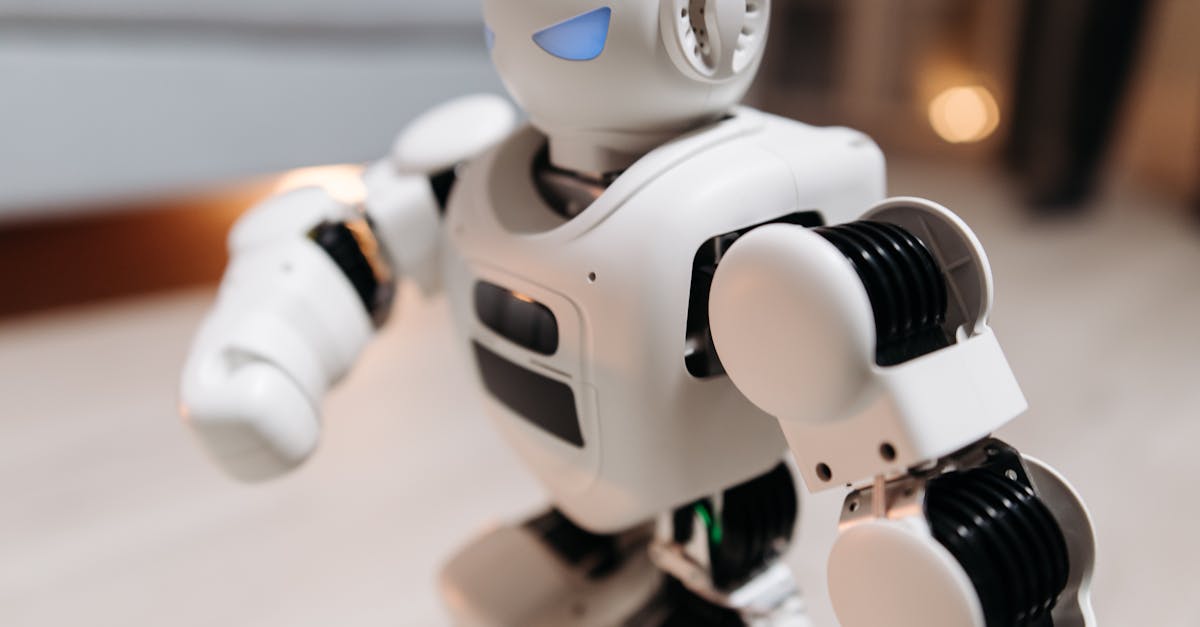
BIS Introduces Safety Framework for Humanoid Robots
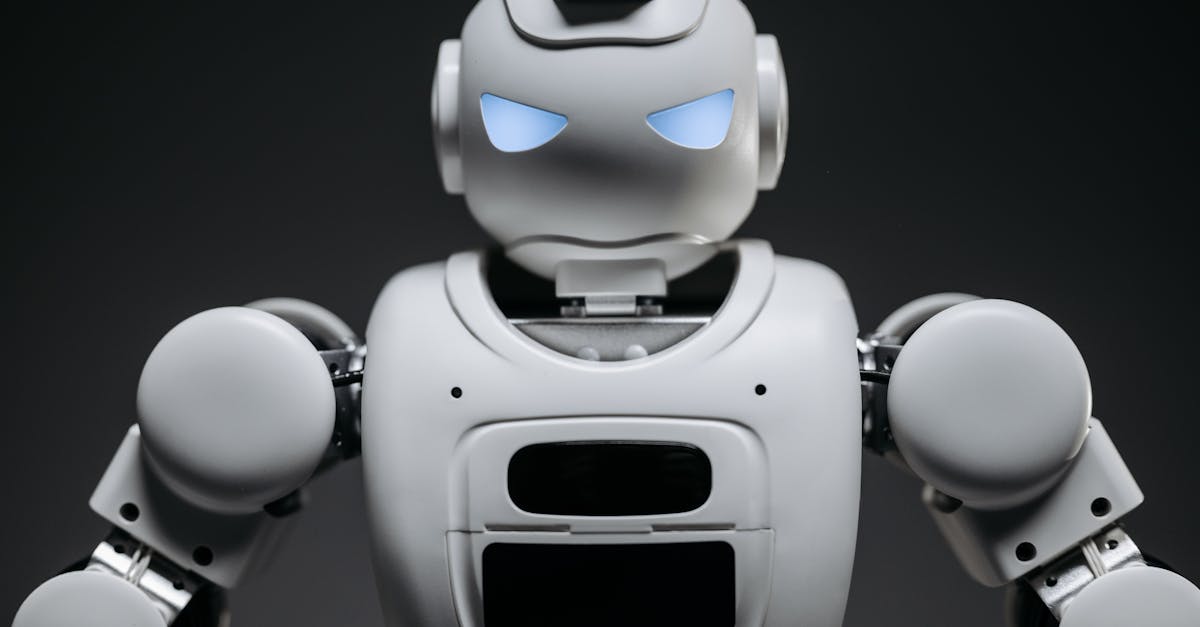
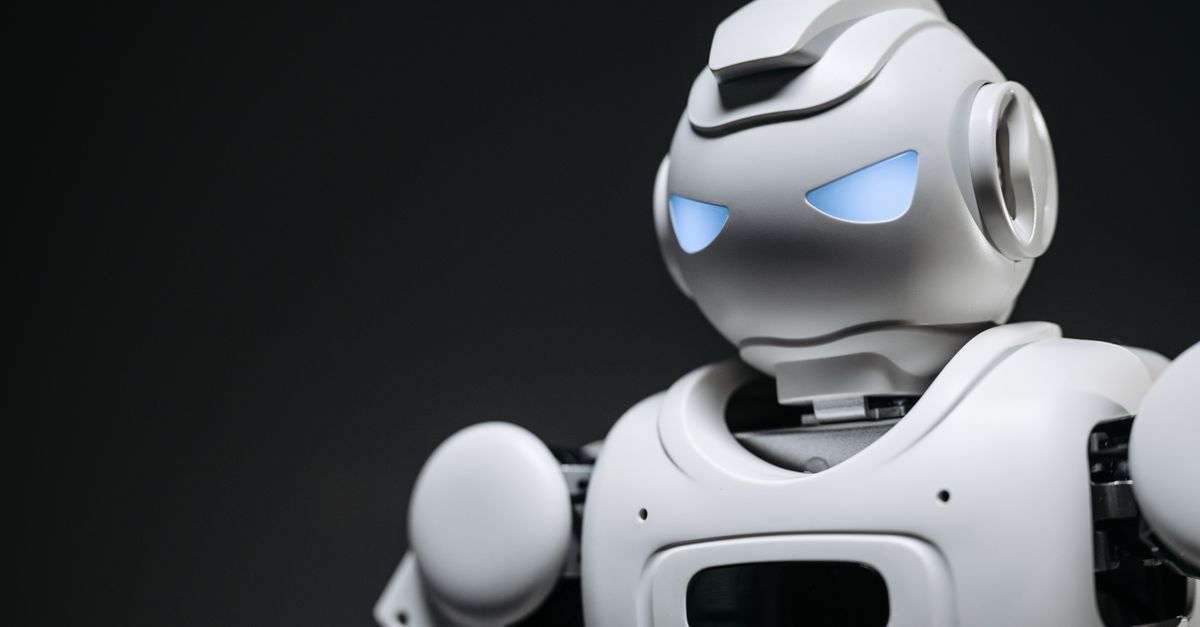
The Bureau of Indian Standards (BIS) has released a draft technical report outlining comprehensive safety and performance standards for humanoid robots, marking a significant step in regulating the emerging sector in India. The consultation paper, released on October 24, invites stakeholders to provide feedback on protocols governing collision avoidance, emergency stop functionalities, and human-robot interaction thresholds. The feedback window remains open until November 24.
The BIS draft specifically categorizes humanoid robots into Class A (Industrial) and Class B (Service) applications. For Class A robots, the standards mandate redundant braking systems and force-limiting joints capable of detecting impacts exceeding 130 Newtons. Class B robots, intended for healthcare and hospitality sectors, must comply with stricter data privacy norms under the Digital Personal Data Protection Act, ensuring all biometric data collected is processed locally within Indian data centers.
MeitY Expands AI Mission to Humanoids
In parallel, the Ministry of Electronics and Information Technology (MeitY) has expanded the India AI Mission to include humanoid robotics under its Mission Mode Projects. According to the updated guidelines released on October 26, consortia comprising startups, academic institutions, and large enterprises can apply for grants up to ₹50 crore to develop indigenous humanoid platforms. The funding prioritizes the development of core components, including high-torque actuators, vision processing chips, and AI inference engines, aiming to reduce dependency on foreign supply chains.
Import Duties and Pricing Impact
The policy shift coincides with recent customs notifications that offer duty exemptions on imported actuators and sensors for companies establishing local assembly lines. Under the new framework, manufacturers who achieve 40% localization by 2025 can qualify for a reduced basic customs duty of 5% on critical robotics components, down from the standard 15%. Industry analysts estimate that these measures could lower the ex-showroom price of domestic humanoid robots from the current ₹15 lakh to approximately ₹11 lakh by 2026, making them more viable for SME adoption.
BIS officials have stated that the final standards are expected to be notified by March 2024. The regulatory framework aims to balance innovation with safety, ensuring India's humanoid robotics industry adheres to international norms while fostering a robust domestic ecosystem.
More in Reviews & Opinion