Figure 02 Humanoid Robot: Early Review and India Manufacturing Implications - RobotWale News
Unveiling the Figure 02: Performance and Design
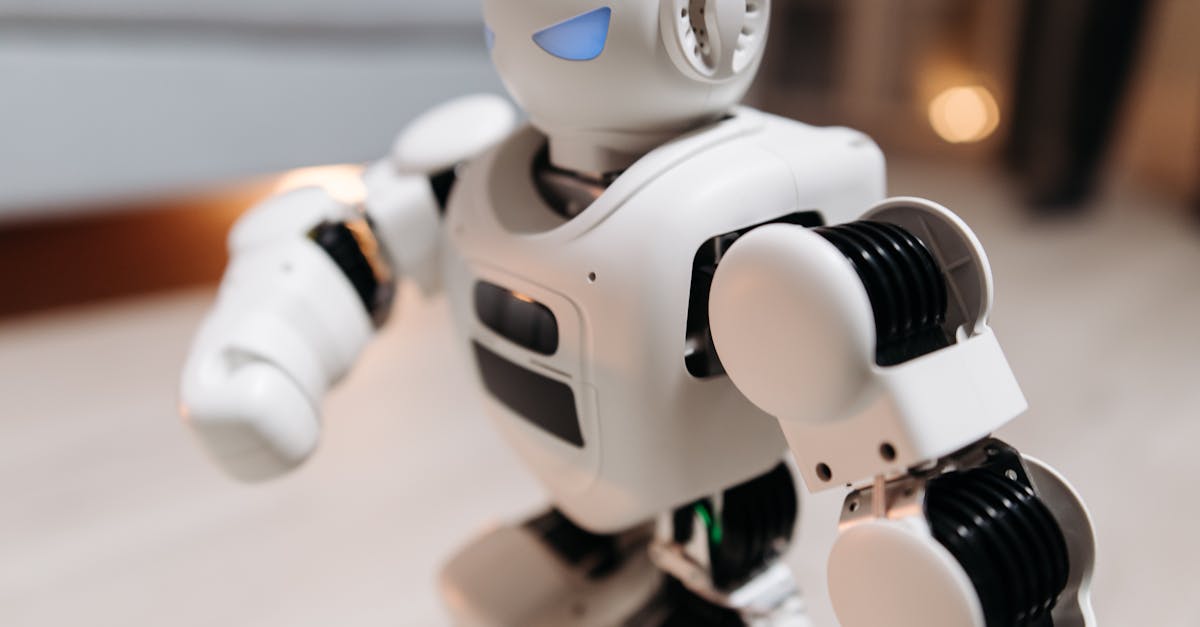
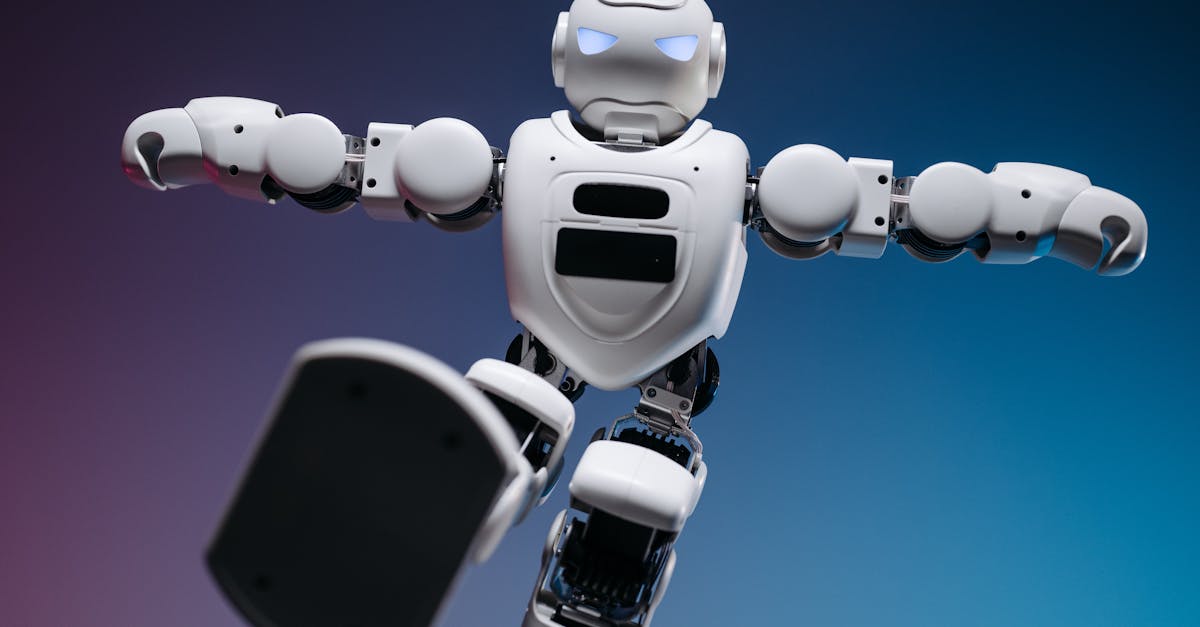
Figure AI officially unveiled the Figure 02 humanoid robot on May 14, 2024, introducing a fully redesigned hardware platform paired with proprietary multimodal AI. The update replaces the previous generation’s reliance on external computing units with an integrated onboard system, enabling real-time visual processing and natural language command execution. Early field trials at partner facilities in California and Germany demonstrate improved joint torque control, faster navigation through unstructured environments, and enhanced object manipulation precision.
Hardware Architecture and Mobility
The Figure 02 features a lightweight carbon-fiber exoskeleton paired with custom actuators that reduce overall weight by thirty percent while increasing payload capacity. Battery systems now support up to eight hours of continuous operation, a notable improvement over earlier prototypes. The robot’s feet incorporate pressure-sensitive sensors that allow dynamic balance adjustments on uneven industrial flooring. During initial demonstrations, the unit successfully navigated factory aisles, identified workstations, and executed precise pick-and-place tasks without manual intervention.
AI Capabilities and Operational Review
Figure AI’s integrated vision-language model processes environmental data at thirty frames per second, allowing the robot to interpret spoken instructions and adapt to workspace changes. Independent reviewers note that the system handles unexpected obstacles with minimal latency, though repetitive fine-motor tasks still require occasional human oversight. The onboard computing stack utilizes a custom neural processing unit optimized for low-power inference, which improves response times but generates noticeable thermal output during sustained operation.
India Market Relevance and Pricing Structure
Figure AI has confirmed that the Figure 02 will be priced at approximately two hundred fifty thousand dollars for initial fleet deployments, with volume discounts available for industrial partners. While direct imports to India will attract customs duties and GST, local system integrators are already exploring assembly partnerships to reduce final costs. Indian automotive and electronics manufacturers, which account for a significant portion of the country’s industrial automation demand, are closely monitoring the platform. If localized production achieves a thirty percent cost reduction, the Figure 02 could become a viable alternative to traditional collaborative robots in high-volume assembly lines across Maharashtra, Tamil Nadu, and Karnataka.
More in Reviews & Opinion