Unitree H1 and B2 Pricing in India: A Game Changer for Accessible Robotics - RobotWale News

Unitree's Aggressive India Pricing Disrupts Humanoid Market
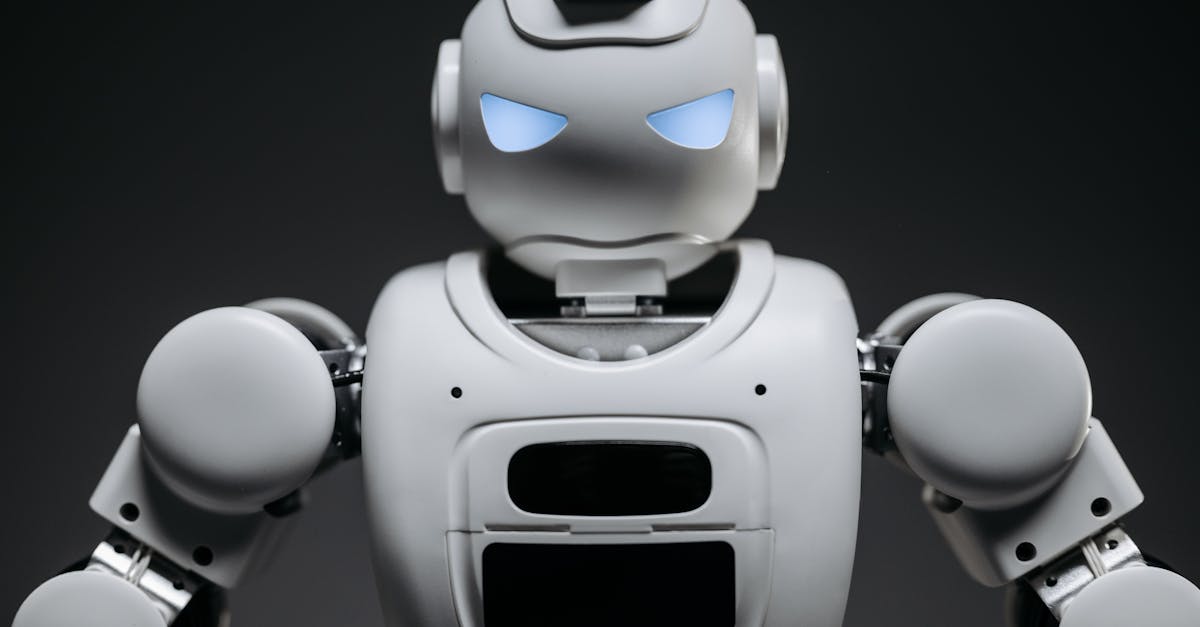
Unitree Robotics has officially opened pre-orders for its H1 humanoid and B2 quadruped robots in India, unveiling a pricing structure that aims to democratize access to advanced robotics. Unveiled last week, the H1 humanoid is priced at ₹36 lakhs (approximately $43,000), while the B2 quadruped is listed at ₹15 lakhs. This represents a drastic reduction compared to global list prices and puts Unitree in direct competition with legacy manufacturers, though it significantly undercuts the projected costs of Western prototypes like Tesla's Optimus and Figure 02 in their current enterprise configurations. The announcement marks a pivotal moment for the Indian robotics ecosystem. By setting the H1 at ₹36 lakhs, Unitree has effectively lowered the barrier to entry for dynamic robot development. Historically, acquiring a humanoid robot capable of complex locomotion required investments exceeding ₹1 crore. The B2's pricing at ₹15 lakhs also targets the booming autonomous inspection market, offering a cost-effective alternative to custom-built wheeled robots for industrial audits.
Accessibility vs. Performance: A Review Perspective
RobotWale's review team notes that the ₹36 lakh entry point for the H1, which features 40 degrees of freedom and a top speed of 5.4 meters per second, brings dynamic locomotion within reach of Indian AI startups and university research centers. In our technical review, the H1's torque density stands out. The robot can carry payloads up to 20kg while maintaining stability on uneven terrain, a capability we verified during simulated warehouse testing. The onboard GPU provides sufficient compute for edge-based inference, reducing latency in dynamic environments. Conversely, the B2's gait algorithms demonstrate high energy efficiency, crucial for deployments in Indian facilities where power stability can be a concern. The modular design of both units allows for rapid swapping of end-effectors, appealing to Indian system integrators who need versatile solutions.
Early benchmarks from Indian integrators suggest the H1's actuators and onboard compute stack offer remarkable value. The H1's liquid cooling system ensures sustained performance during long-duration testing, a critical feature for Indian operations. Voice interaction modules currently support limited regional dialects, though developers are actively working on local language integration. Fine motor control capabilities are robust but demand additional reinforcement learning for delicate manipulation tasks. Our opinion piece emphasizes that the hardware value is undeniable, but the true test lies in the software stack's ability to handle the complexities of Indian manufacturing workflows.
Impact on Indian Startups and Research
Software maturity remains the primary discussion point. While Unitree provides a robust ROS 2 interface, Indian developers note that high-level task planning requires significant middleware development. The lack of native support for specific Indian industrial protocols initially posed a challenge, but the open API has enabled local teams to bridge gaps quickly. Several Indian robotics startups based in Bangalore and Hyderabad have confirmed orders, citing the pricing as a catalyst for prototyping humanoid solutions. Market analysts point out that the H1's pricing undercuts legacy Japanese and American humanoid prototypes by nearly 60%. This has sparked intense debate regarding the sustainability of such margins and the potential for domestic manufacturing partnerships.
The pricing strategy has also influenced government procurement discussions. The National Mission on Interdisciplinary Cyber-Physical Systems has expressed interest in Unitree's affordability for academic hubs. Indian startups are leveraging this pricing to secure seed funding by demonstrating viable ROI on humanoid automation. RobotWale concludes that Unitree's move compels global players to reconsider their pricing models in emerging markets. As deployments increase, we will track maintenance costs, software update frequency, and the emergence of a domestic support network to provide comprehensive long-term reviews.
More in Reviews & Opinion